
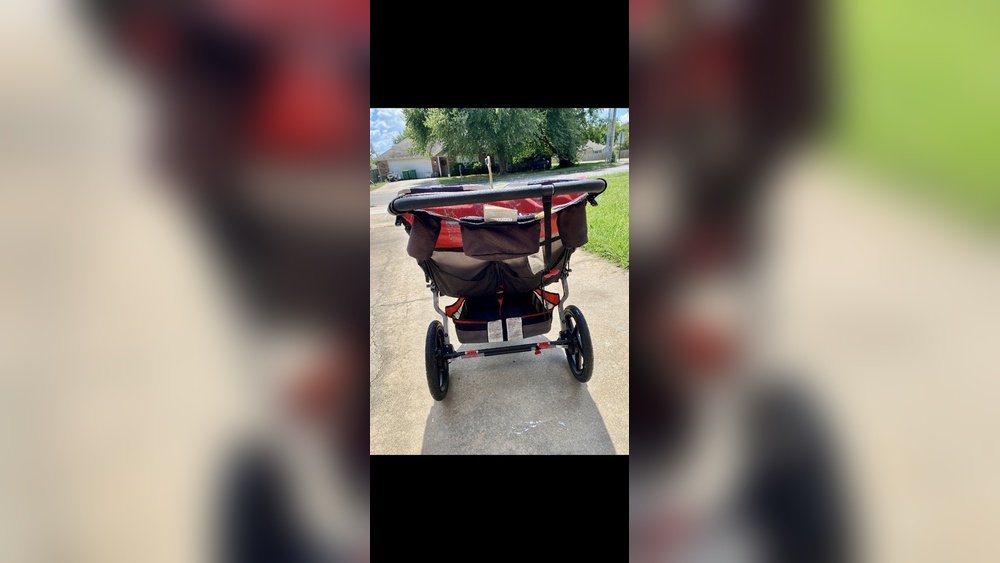
Where to Try Baby Strollers is not just about picking a model online. Many parents discover that what looks good on a website feels awkward in real life. You want to check the weight, fold it yourself, and push it around corners.
If you live in a city, you might need a compact stroller. If you jog, a sturdy three-wheeler is better. So where can you actually try baby strollers before you buy? This guide explains the best places, shares tips, and helps you avoid common mistakes.
You’ll also see how to compare strollers side by side and get answers to questions most parents ask.
Why Trying A Baby Stroller Matters
Buying a stroller is a big decision. It’s something you’ll use every day for years. Online reviews can help, but real-life testing is essential. Here are some reasons why:
- Comfort: The handlebar height, seat padding, and wheel suspension vary a lot. Testing shows which stroller fits you and your child.
- Ease of Use: Folding, unfolding, and carrying are easier to judge in person.
- Safety: You can check brakes, straps, and stability.
- Size: Strollers look different in photos. Seeing them in person helps you judge if they fit your car trunk or apartment.
Many parents regret buying a stroller without trying it first. Even the most expensive models can feel too bulky or hard to steer. If you want to avoid disappointment, hands-on testing is key.
Best Places To Try Baby Strollers
Let’s explore the top locations where you can physically test baby strollers. Each place has its own benefits and drawbacks.
1. Baby Specialty Stores
Specialty stores focus on baby products. Staff are usually well-trained and offer advice. Most stores allow you to test strollers inside and sometimes outside.
- Benefits: Wide selection, expert help, try as many as you want.
- Drawbacks: Prices may be higher. Sometimes limited to popular brands.
If you want to compare several strollers side by side, specialty stores are ideal.
2. Large Retail Chains
Big chains like Target, Walmart, and Buy Buy Baby stock many stroller brands. You can push strollers around the aisles, fold them, and compare features.
- Benefits: Competitive pricing, frequent discounts.
- Drawbacks: Staff may not know much about each model.
Here’s a quick comparison of what to expect at two US retail chains:
| Store | Stroller Brands | Testing Area | Staff Expertise |
|---|---|---|---|
| Target | 4-8 | Limited | Basic |
| Buy Buy Baby | 12-20 | Dedicated | High |
3. Department Stores
Places like Macy’s sometimes carry strollers, often as part of a baby section. You can check build quality and try folding, but the selection is usually smaller.
- Benefits: Convenient if you’re already shopping.
- Drawbacks: Fewer models, less focus on baby gear.
4. Baby Gear Expos And Fairs
Many cities host baby expos each year. Brands and retailers showcase strollers and other products. You can test models, ask questions, and sometimes get special deals.
- Benefits: See the latest models, meet brand reps, get samples.
- Drawbacks: Only held once or twice a year.
A non-obvious tip: At expos, you can often try prototype strollers before they reach stores. This helps you spot features that are not yet available.
5. Local Baby Gear Rental Services
Some cities offer baby gear rentals. You can rent a stroller for a few days and test it in real life—on sidewalks, in your car, or at the park.
- Benefits: Real-world testing, try before you buy.
- Drawbacks: Rental fees, limited selection.
Most parents miss this option, but it’s ideal if you’re not sure which stroller suits your lifestyle.
6. Friends And Family
Borrowing a stroller from someone you know lets you test it in daily routines. You can see how it handles groceries, stairs, and public transport.
- Benefits: Free, honest opinions.
- Drawbacks: Limited to what your friends have.
7. Online Marketplaces With Local Pickup
Sites like Facebook Marketplace or Craigslist sometimes list strollers for local pickup. Sellers often let you try the stroller before buying.
- Benefits: Affordable, hands-on testing.
- Drawbacks: Used models, quality varies.
8. Manufacturer Showrooms
Some brands, like Uppababy and Bugaboo, have showrooms in major cities. You can try every model, see accessories, and ask questions.
- Benefits: Full range, brand experts.
- Drawbacks: Limited locations.
If you live near a showroom, it’s worth visiting. You’ll see the latest designs and get direct support.

What To Look For When Testing A Stroller
Trying a stroller is more than just pushing it around. Here’s what to check for a complete experience:
- Weight and Fold: Can you lift it easily? Is the fold smooth, one-handed?
- Handlebar Comfort: Adjustable height? Padded grip?
- Wheel Quality: Swivel, suspension, easy to steer?
- Brakes: Easy to use, reliable lock?
- Seat Comfort: Enough padding? Recline features?
- Storage: Basket size and accessibility.
- Safety Features: Five-point harness, sturdy frame.
Many parents focus only on looks and forget to test practical details like how it fits in their car. Always try loading the stroller into your vehicle, especially if you travel often.
Here’s a quick data table showing common stroller types and their main features:
| Stroller Type | Main Feature | Best For |
|---|---|---|
| Umbrella | Lightweight, folds small | City, travel |
| Jogging | Large wheels, stable | Active parents |
| Full-size | Spacious, durable | Everyday use |
| Travel System | Car seat compatible | Infants, convenience |
How To Compare Strollers Side By Side
If you’re at a store or expo, comparing strollers is easier in person. Here are some steps:
- Line them up: Place two or three strollers next to each other.
- Push each one: Test with weight inside (many stores provide dummy weights).
- Fold and unfold: Try the folding mechanism. See which is quickest and easiest.
- Check size: Compare folded dimensions and see which fits your car or storage space.
- Test brakes and harnesses: Make sure they work smoothly.
- Assess storage: Look at basket size and how easy it is to reach.
Many beginners skip comparing folding methods or forget to check wheel quality. These are often the biggest sources of frustration after purchase.
Here’s a comparison table for three popular stroller brands:
| Brand | Weight | Fold Type | Price Range | Unique Feature |
|---|---|---|---|---|
| Uppababy Vista | 26 lbs | One-step | $900-$1,100 | Expandable for 2 kids |
| Bugaboo Fox | 23 lbs | Two-step | $900-$1,300 | All-terrain wheels |
| Baby Jogger City Mini | 18 lbs | Quick fold | $400-$500 | Compact design |

Common Mistakes When Trying Strollers
Some mistakes are easy to avoid if you know what to look for:
- Testing only in the store: Try pushing on different surfaces if possible (carpet, tile, sidewalk).
- Ignoring weight with a child inside: Always test with weight to see how it handles.
- Forgetting about storage: Make sure the basket fits your diaper bag and groceries.
- Not checking compatibility: If you want a travel system, make sure your car seat fits.
- Overlooking height: Tall parents should check handlebar adjustability.
A non-obvious insight: Some strollers feel heavier once you add accessories like cup holders or organizers. Always check with extras attached.
Tips For A Successful Stroller Test
To make your testing experience better, try these tips:
- Bring your child: If possible, place your baby in the stroller and see how they react.
- Pack your diaper bag: Put it in the storage basket to check fit.
- Try folding with one hand: Many strollers claim one-handed fold, but not all deliver.
- Ask staff for a demo: Good stores have trained staff who can show you all features.
- Check for local deals: Expos and specialty stores often offer discounts if you buy after testing.
If you’re shopping with your partner, both should try the stroller. Handlebar height and steering feel can be very different for each person.
Digital Tools To Help Your Search
Some brands and stores now offer virtual demos or augmented reality tools. You can see how a stroller looks in your home or watch folding videos. While not as good as real-life testing, these tools help narrow down choices.
For more information on the latest stroller tech, check out Consumer Reports.
Frequently Asked Questions
How Do I Know Which Stroller Suits My Lifestyle?
Think about your daily routine. If you walk a lot or use public transport, go for a lightweight stroller. If you drive and shop often, make sure it fits your trunk and has good storage. Jogging parents need a model with sturdy wheels.
Can I Test Strollers At Home Before Buying?
Some stores and online retailers offer home try-on programs. You can order a stroller, test it for a few days, and return it if it doesn’t fit your needs. Check policies before ordering.
What’s The Best Time To Visit Baby Expos?
Most expos happen in spring and fall. Arrive early to avoid crowds and get access to the newest products. Brands often launch new models at these events.
Are Used Strollers Safe To Test And Buy?
Used strollers can be safe if you check for recalls, inspect brakes and straps, and make sure nothing is broken. Always clean thoroughly before use.
How Can I Compare Stroller Features Quickly?
Focus on weight, fold, wheel quality, storage, and safety. Make a simple checklist and compare these points for each model you test.
Finding the right stroller is easier when you try before you buy. Whether you visit a specialty store, attend an expo, or borrow from a friend, hands-on testing helps you make a confident choice. Remember to check practical features, ask questions, and compare models side by side.
With the right approach, you’ll find a stroller that makes your daily life smoother—and keeps your baby comfortable and safe.
