
Where to Test Strollers is a big decision for any parent. With so many models, designs, and features out there, testing a stroller before buying is smart. Strollers are not just a way to move your child—they affect your daily comfort, safety, and convenience.
But where can you test strollers to make the best choice? This guide explains the best places, the pros and cons of each, and how to get the most from your testing experience. Whether you’re a new parent or upgrading for a growing child, you’ll learn where to try strollers hands-on, what to look for, and how to avoid common mistakes.
Why Testing A Stroller Matters
Buying a stroller online or based on reviews is tempting, but real-life testing reveals things you can’t see in photos. For example, how easily the stroller folds, how heavy it feels, or if the handle is comfortable for your height.
Safety features, wheel movement, and basket size are also easier to judge in person. Testing helps you avoid surprises like a squeaky wheel, tricky brakes, or a bulky frame that doesn’t fit in your car.
Many parents overlook simple things during testing, such as the turning radius or how the stroller handles bumps. Sometimes, a stroller looks stylish but feels awkward to push. Others might be easy for a tall person but not for someone shorter.
Testing also lets you check accessories like cup holders, canopies, and seat padding. These details matter for daily use.
Where To Test Strollers: Main Options
You have several choices for testing strollers. Each has unique benefits and drawbacks. Here’s a closer look at the most popular places.
Baby Specialty Stores
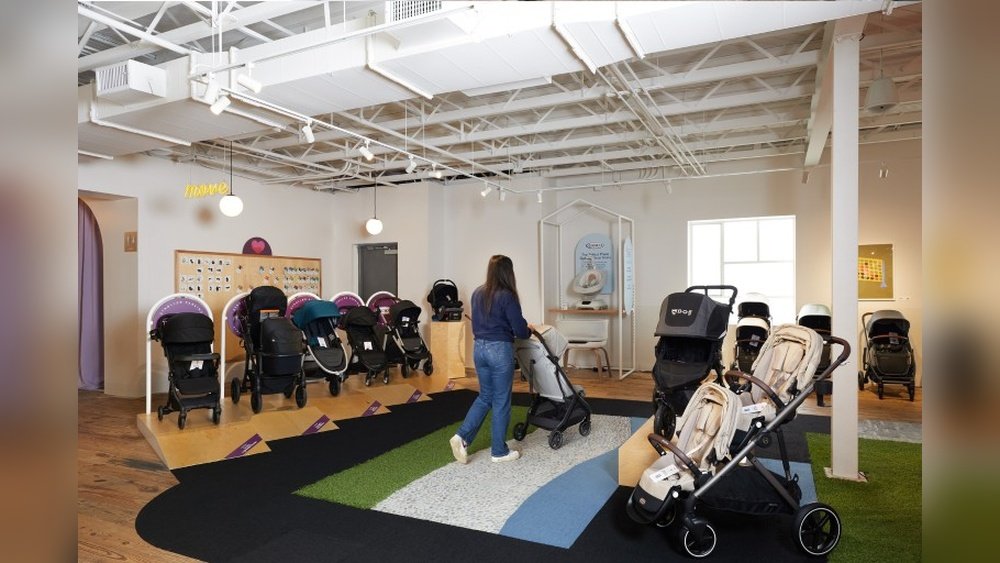
Specialty stores focus on baby products. Staff are trained and can offer detailed advice. You’ll find a wide range of stroller brands and can compare models side by side. Most stores allow you to push strollers around the shop, fold them, and try features.
Pros:
- Wide selection of models
- Knowledgeable staff
- Hands-on testing
- Accessories available
Cons:
- Prices may be higher than online
- Limited space for testing movement
Some stores even have indoor test tracks with different surfaces—tiles, carpets, or ramps—so you can check performance.
Big Box Retailers
Stores like Target or Walmart carry popular stroller brands. They often have display models you can try, though selection may be smaller than specialty shops.
Pros:
- Convenient locations
- Competitive pricing
- Easy returns
Cons:
- Fewer high-end strollers
- Less expert advice
Local Baby Fairs And Expos
Baby fairs are events where companies showcase products. You can test many strollers, ask questions, and often see new releases. These expos happen in larger cities several times a year.
Pros:
- Test multiple brands in one place
- Access to experts and brand reps
- Special event discounts
Cons:
- Only available during scheduled events
- Crowded environments
Secondhand Shops And Community Markets
Used stroller shops or local markets are good for budget-conscious families. You can test older models, see wear and tear, and even negotiate prices.
Pros:
- Lower prices
- Inspect real-life usage
Cons:
- Limited selection
- No warranty
Outdoor Testing Events
Some brands host outdoor demo days in parks or community centers. These events let you test strollers on grass, gravel, and pavement—real conditions you’ll face.
Pros:
- Test in realistic environments
- Meet other parents
Cons:
- Not available everywhere
- Weather dependent
Online Shopping: Can You Test?
Buying online is convenient, but testing is tricky. Some websites offer virtual demos—videos showing folding, pushing, and features. A few online stores have generous return policies, letting you try at home and return if unsatisfied.
Here’s a quick comparison:
| Store Type | Testing Experience | Return Policy |
|---|---|---|
| Specialty Store | Hands-on in-store | Standard, varies by store |
| Big Box Retailer | Limited in-store | Easy returns |
| Online Shop | Virtual demos, at-home trial | Varies; some offer free returns |
| Baby Expo | Event-based testing | N/A |
If you buy online, check the return policy. Some brands allow 30-day trials—just keep packaging intact. Testing at home means you can see how the stroller fits your car, hallway, or elevator.
What To Look For When Testing A Stroller
Testing isn’t just about pushing the stroller. Here are important things to check:
- Handle height and comfort: Push the stroller as you would during a normal walk. Make sure the handle is comfortable and fits your height. Some strollers have adjustable handles.
- Weight and folding: Try folding and unfolding the stroller. Lift it to see if it’s manageable. Check if it fits in your car trunk.
- Wheel movement: Push the stroller in a straight line and around corners. Test it on different surfaces if possible.
- Brakes and safety: Engage the brakes and see if they lock securely. Check the harness and seat padding.
- Storage: Look at basket size and accessibility. Can you reach the basket with your child seated?
- Canopy and accessories: Open and close the canopy. Check for cup holders, snack trays, or sunshades.
Here’s a comparison of key features:
| Feature | Why It Matters | How to Test |
|---|---|---|
| Handle Height | Comfort for parent | Push while walking; check adjustability |
| Weight | Ease of lifting/folding | Lift, fold/unfold, carry |
| Wheel Quality | Smooth movement | Push on different surfaces |
| Brakes | Safety | Engage/disengage multiple times |
| Storage Basket | Convenience | Access with child seated |
How To Make The Most Of Testing
When you visit a store or event, bring your child if possible. Testing with real weight gives a more accurate feel. If that’s not possible, ask staff if you can use a weighted bag or dummy.
Wear your regular shoes—don’t test in slippers or sandals. Walk as you would on a normal day. Also, check if you can steer with one hand; this is important when carrying other items.
Always try to fold the stroller with one hand. Many parents need to multitask, so a simple folding mechanism is a big advantage. Don’t rush—take your time to check each feature.
Mistakes To Avoid While Testing Strollers
Many parents make quick decisions and regret them later. Here are common mistakes:
- Testing empty: Strollers feel different with a child inside. Always test with weight.
- Ignoring your car size: Some strollers are too bulky for small trunks.
- Overlooking storage: A small basket can be frustrating for daily trips.
- Not checking local terrain: If you walk on rough sidewalks or hills, test on similar surfaces.
- Buying for looks: Stylish models aren’t always the most practical.
Another mistake is skipping the warranty check. Always ask about warranty coverage before buying, especially in secondhand shops.

Comparing Popular Testing Locations
To help you choose, here’s a comparison of three common places:
| Location | Selection | Expert Advice | Testing Environment | Price Range |
|---|---|---|---|---|
| Specialty Store | Large | High | Indoor, limited surfaces | Medium-High |
| Big Box Retailer | Medium | Low | Indoor, basic | Low-Medium |
| Baby Expo | Very Large | High | Event-based, variety of surfaces | Varies; event discounts |
Non-obvious Insights For Better Stroller Testing
Many beginners miss two important points:
- Check for future growth: Some strollers allow for extra seats or attachments. If you plan for more children, test these features in advance.
- Look for easy cleaning: Kids spill drinks and snacks often. Test how easily the seat covers come off or wipe clean.
Also, pay attention to manuverability in tight spaces. Try turning the stroller in narrow aisles or corners to see if it fits your daily routes.

How Covid-19 Changed Stroller Testing
Since the pandemic, many stores have changed their policies. Some now require appointments for testing, limit the number of testers at once, or sanitize strollers between uses. Always call ahead to check the rules.
Virtual demos have become more popular, but they don’t replace hands-on testing. If you need to test indoors, ask about cleaning procedures for peace of mind.
Finding Stroller Testing Events Near You
To locate stroller testing events or expos, check local parenting forums, store websites, or community calendars. Brands often announce demo days on their social media pages. Some official sites list upcoming expos with details on participating brands. For example, BabyCenter posts event guides for parents.
Bringing It All Together
Testing a stroller before buying is essential for comfort, safety, and long-term satisfaction. With options like specialty stores, big retailers, expos, and even secondhand shops, you can find the right place to compare models hands-on. Don’t forget to check key features, bring your child for realistic testing, and avoid common mistakes.
The best stroller is not just about style—it’s about fitting your daily life.
Frequently Asked Questions
Where Can I Test High-end Stroller Brands?
High-end brands are usually found in specialty baby stores and at baby expos. Some stores offer appointment-only testing for premium models.
Can I Test A Stroller Before Buying It Online?
Some online stores offer at-home trials with free returns. Check the return policy carefully and keep all packaging if you plan to test.
Are There Safety Risks When Testing Used Strollers?
Used strollers may have worn parts or missing safety features. Always check brakes, harnesses, and overall condition before buying.
How Do I Find Stroller Demo Events In My Area?
Check local parenting websites, social media pages of stroller brands, and community calendars. Some stores and brands announce demo days online.
Should I Bring My Child When Testing A Stroller?
Yes, it’s best to test with your child’s weight. If not possible, use a weighted bag or ask staff for a dummy to simulate real use.
Pingback: Where to Test Baby Strollers: Best Spots for Hands-On Trials- 2026