
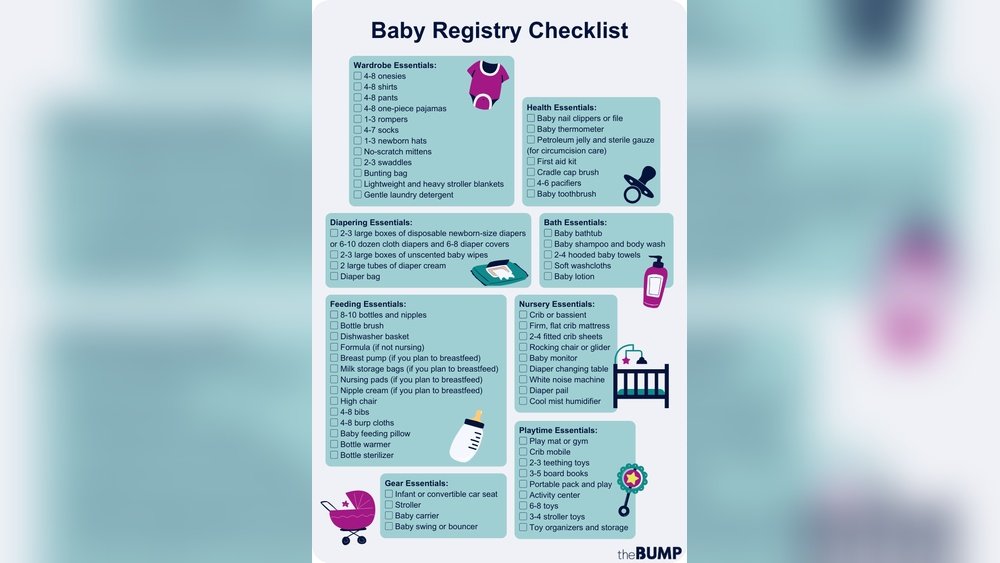
Welcoming a newborn is an exciting and life-changing moment. But for many new parents, the question “What do I need for a newborn? ” can feel overwhelming. There are so many baby products on the market, from must-have basics to clever gadgets.
It’s easy to feel lost or worry you’ll miss something important. The truth is, newborns don’t need a lot, but having the right essentials ready can make those early weeks smoother for both you and your baby.
This guide will help you focus on the most important items for your newborn. You’ll learn what you truly need, what’s optional, and a few tips that most new parents wish they’d known before their baby arrived. Whether you’re preparing your first nursery or helping a friend get started, this article covers all the basics and a bit more, so you feel confident and ready.
Nursery And Sleep Essentials
Your baby’s sleep space is one of the most important areas to prepare. Safe, comfortable sleep helps your baby grow—and helps you rest, too.
Crib Or Bassinet
A safe sleep environment is critical. You’ll need either a crib or a bassinet that meets current safety standards. Make sure there are no loose bedding, pillows, or toys inside the sleeping area. The mattress should be firm and fit snugly without gaps.
Mattress And Sheets
Choose a waterproof mattress protector and at least 2-3 fitted sheets. Babies often spit up or have diaper leaks, so quick sheet changes are important. Look for sheets made from soft, breathable fabrics like cotton.
Swaddles And Sleep Sacks
Swaddling helps many newborns feel secure and sleep better, but not all babies like it. Have 2-3 swaddle blankets or consider a zip-up sleep sack for safety and convenience.
Night Light
A soft night light makes nighttime feedings and diaper changes easier without fully waking your baby or yourself.
Rocker Or Glider
A comfortable chair for feeding or soothing your baby can make long nights much easier. It’s not required, but many parents find it helpful.
Comparison: Crib Vs Bassinet
| Feature | Crib | Bassinet |
|---|---|---|
| Age Range | 0-2+ years | 0-6 months |
| Space Needed | More | Less |
| Portability | Low | High |
| Longevity | Long-term | Short-term |
Non-obvious tip: If your bedroom is small, a bassinet can be a better short-term solution, but plan when and how you’ll transition to a crib, as babies often outgrow bassinets quickly.
Diapering Needs
Diapering is something you’ll do many times a day, so having the right supplies ready makes a big difference.
Diapers
You’ll need a good stock of newborn-size diapers. Both disposable and cloth options work well. Most newborns go through 8–12 diapers a day, so buying in bulk can help, but don’t overbuy newborn sizes—babies often outgrow them within weeks.
Wipes
Choose unscented, sensitive-skin wipes to avoid irritation. If you prefer, you can use soft washcloths and water for the first few weeks.
Diaper Cream
A gentle diaper rash cream is essential for preventing and treating rashes. Zinc oxide creams are popular and effective.
Changing Pad
A waterproof changing pad protects surfaces and makes cleanup easier. Portable pads are handy for diaper changes around the house.
Diaper Pail (optional)
A diaper pail helps control odors, especially if you don’t want to take out trash after every change. Not everyone finds it essential, but it’s helpful in small spaces.
Data: Disposable Vs. Cloth Diapers
| Type | Cost (First Year) | Changes/Day | Environmental Impact |
|---|---|---|---|
| Disposable | $600–$900 | 8–12 | High (single-use) |
| Cloth | $300–$500 | 8–12 | Lower (reusable) |
Insight for beginners: If using cloth diapers, buy enough to last at least two days (about 24-30). Factor in the time and effort for washing.
Feeding Supplies
Whether you plan to breastfeed or use formula, a few key items will make feeding your newborn much easier.
For Breastfeeding
- Nursing bras and pads: Comfortable support and leak protection.
- Nipple cream: Prevents soreness in the early days.
- Breast pump: Useful if you plan to express milk, return to work, or want flexibility.
- Milk storage bags or containers
- Burp cloths: At least 6-8 for spit-ups.
- Water bottle: Stay hydrated.
For Formula Feeding
- Formula: Check with your pediatrician for recommendations.
- Bottles: 6-8 bottles (4–8 oz sizes) are a good start.
- Nipples: Slow-flow nipples for newborns.
- Bottle brush: For cleaning bottles and nipples.
- Sterilizer (optional): Sterilizing can be done with boiling water, but some parents prefer a dedicated unit.
Pacifiers
Not all babies take pacifiers, but having 2-3 different types can help you discover what your baby likes. Pacifiers may help with soothing and sleep.
Practical tip: If you plan to breastfeed, wait until breastfeeding is established (usually 3-4 weeks) before introducing a bottle or pacifier.
Clothing And Laundry
Newborns grow quickly and have sensitive skin. Keep clothing simple and practical.
Clothing Essentials
- Onesies/bodysuits: 5–7
- Sleepers: 5–7 (zip-up styles are faster for changes)
- Socks/booties: 3–4 pairs
- Hats: 1–2 for warmth, especially if it’s cold
- Mittens: 2 pairs to prevent scratching
Outerwear
If you live in a cold climate, a soft jacket or bunting suit is helpful. For warm climates, lighter layers are better.
Laundry Needs
- Gentle baby detergent: Free of fragrances and dyes.
- Laundry basket: For sorting baby’s clothes.
Beginner insight: Babies don’t need shoes until they start walking. Buying lots of fancy outfits isn’t necessary—most newborns spend their first months in simple, comfortable clothes.
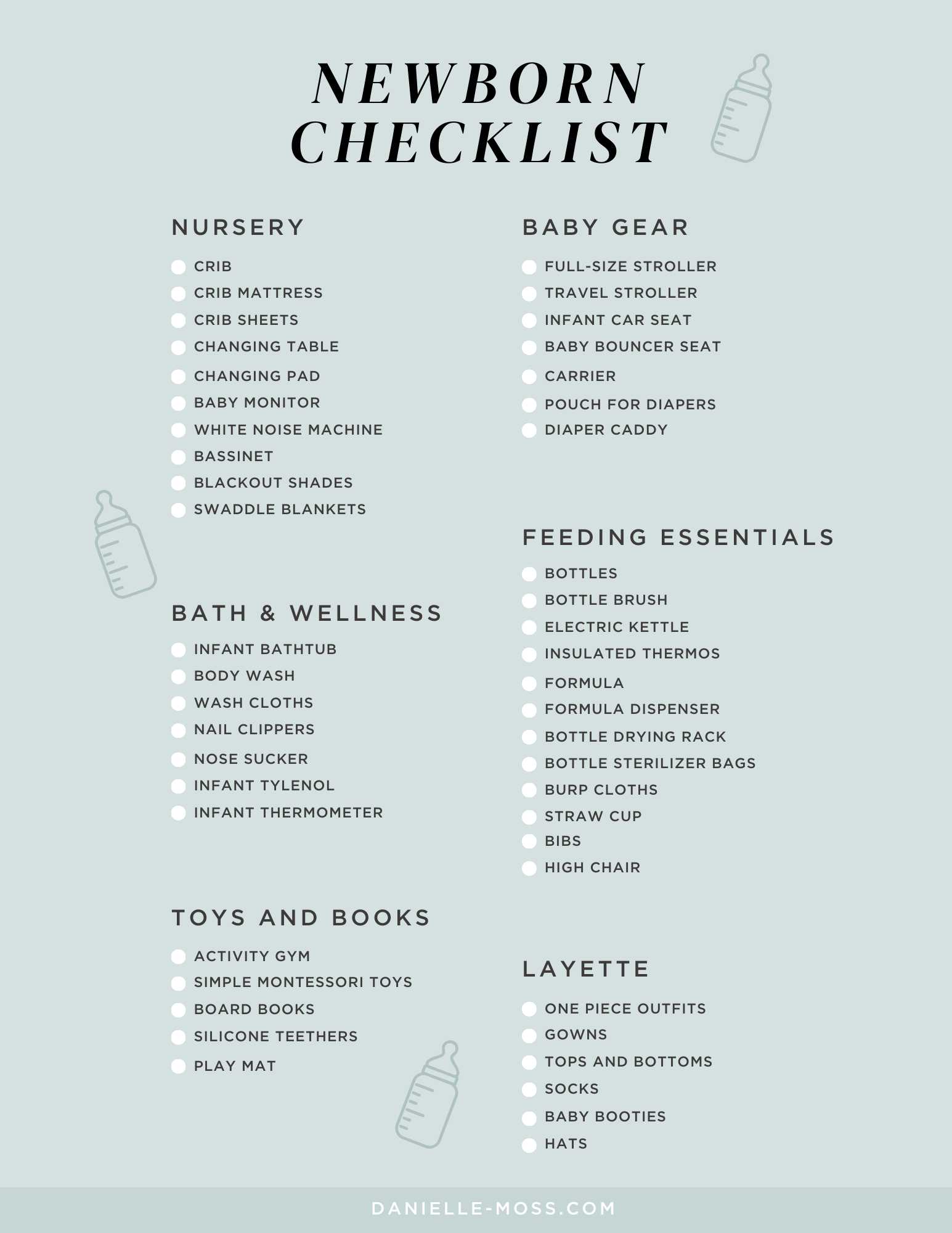
Bathing And Skincare
Newborns don’t need daily baths, but you’ll want a few basics to keep their skin clean and healthy.
Bathing Supplies
- Baby bathtub: Small and easy to use in your sink or tub.
- Soft washcloths: 4–6
- Hooded towels: 2–3
- Mild baby soap/shampoo: Choose products free of dyes and fragrances.
Skincare
- Baby lotion: For dry skin.
- Soft baby brush: For scalp care.
- Nail clippers or file: Newborn nails grow quickly and can scratch.
Non-obvious tip: Bath your baby 2–3 times a week at first. Over-bathing can dry out their skin. Use gentle, fragrance-free products to avoid irritation.
Health And Safety
Caring for a newborn means being ready for small health issues or emergencies.
Medical Supplies
- Digital thermometer: For accurate readings.
- Nasal aspirator: Clears stuffy noses.
- Medicine dropper: For giving liquid medicine if needed.
- First aid kit: Baby-friendly, with basics like bandages and antiseptic.
Baby Monitor
A baby monitor gives peace of mind, especially if your baby sleeps in another room. Audio monitors are often enough, but video monitors add extra security.
Car Seat
You cannot leave the hospital without a rear-facing infant car seat. Make sure it is installed correctly. Many local fire stations or hospitals offer free safety checks.
Data: Baby Monitor Types
| Type | Features | Cost Range |
|---|---|---|
| Audio | Sound only | $20–$60 |
| Video | Video + sound | $50–$200+ |
| Wi-Fi | App access, alerts | $80–$300+ |
Pro tip: Test your baby monitor in your home before your baby arrives. Wi-Fi monitors can sometimes have connectivity issues, especially in larger houses.
On-the-go Essentials
Getting out of the house with a newborn can feel daunting, but a little planning makes all the difference.
Diaper Bag
A well-stocked diaper bag is a lifesaver. Include:
- 4–6 diapers
- Pack of wipes
- Changing pad
- Extra outfit for baby (and a shirt for you)
- Burp cloth
- Small toy or pacifier
- Hand sanitizer
Stroller Or Baby Carrier
Choose a stroller or a baby carrier that fits your lifestyle. Carriers let you keep your hands free, while strollers are better for longer walks or errands.
Beginner insight: Practice folding and unfolding your stroller before your first outing. Some models can be tricky, and learning in advance saves stress.
Nice-to-have Extras (but Not Essentials)
You’ll see many products marketed as “must-haves,” but many are optional. Here are a few extras that can be helpful, but are not strictly necessary:
- Wipe warmer: Comforts babies during late-night changes, but not essential.
- Bottle warmer: Handy but bottles can be warmed in a bowl of hot water.
- White noise machine: Soothes some babies to sleep.
- Swing or bouncer: Gives you a safe place to put your baby for short periods.
Pro tip: Wait to buy these extras until after your baby arrives. You’ll know better what your baby likes and what works for your family.

Saving Money And Avoiding Common Mistakes
Many new parents buy too much or the wrong items. Here’s how to avoid common pitfalls:
- Don’t overbuy newborn clothes. Babies grow fast, often wearing 0–3 month sizes within weeks.
- Borrow or buy secondhand when possible for big items like cribs and strollers, but always check for recalls and safety.
- Prioritize safety over style. Fancy bedding or bumpers may look nice but aren’t safe for sleep.
- Resist buying “just in case” items. You can always buy more after your baby arrives and you know what you need.
For more safety information, check the Consumer Product Safety Commission guidelines.
Frequently Asked Questions
What Do I Need For A Newborn In The First Week?
Focus on basics: a safe sleep space, diapers, wipes, a few outfits, swaddles, and feeding supplies (breastfeeding or bottles). You’ll also need a car seat for the trip home.
How Many Diapers And Wipes Do I Need?
Expect to use 8–12 diapers and a similar number of wipes per day. Start with one large box of diapers and a few packs of wipes. Buy more as you learn your baby’s needs.
Do I Need A Pacifier Or Bottle If I’m Breastfeeding?
Not right away. If breastfeeding is going well, you can introduce these after a few weeks if you want. Some babies never use pacifiers or bottles, and that’s okay.
Is It Safe To Buy Used Baby Items?
Yes, for many items like clothing or some gear. Always check for recalls, and avoid used car seats or cribs unless you know their history and they meet current safety standards.
What Should I Have Ready Before Bringing My Baby Home?
Have your baby’s sleep space, diapers, wipes, clothes, feeding supplies, and a car seat set up. Wash everything in gentle detergent. Stock up on easy snacks and meals for yourself, too.
Bringing home a newborn is a big transition, but with these essentials, you’ll be ready for the first days and weeks. Remember, every family’s needs are a little different, and it’s okay to adjust as you learn what works for you and your baby.
Pingback: 2 Best Gear for twin babies | Top Picks for New Parents
Pingback: Best travel strollers for flying - babycareful.com 2026