
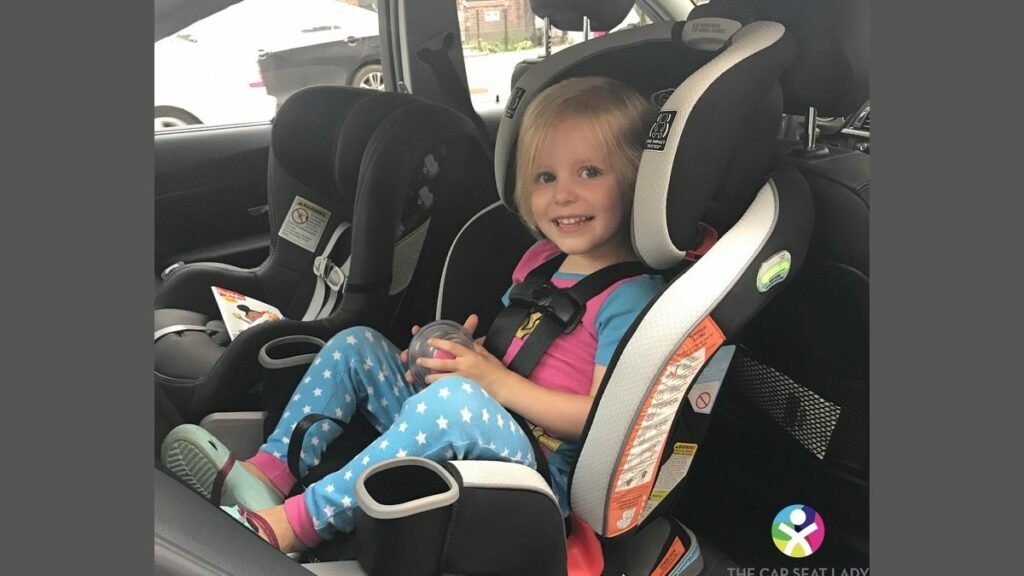
A child should remain rear-facing until reaching the seat’s maximum rear-facing height or weight limit, which for most convertible models is 40–50 pounds or 49 inches. The timing for When Can Baby Face Forward in Car Seat depends entirely on your specific seat’s manual, not age alone. Turning earlier than the manufacturer’s stated limit voids safety protection and violates laws in many states.
Forward-Facing Car Seat Basics
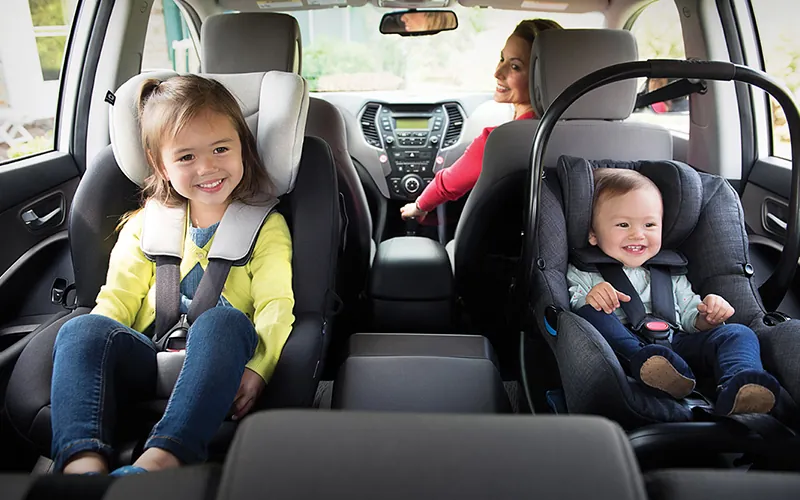
- Children should remain rear-facing until they reach their convertible seat’s maximum rear-facing height or weight limit, typically 40–50 pounds or 49 inches tall.
- The American Academy of Pediatrics recommends keeping children rear-facing as long as possible because it protects the head, neck, and spine during crashes.
- Age alone isn’t the deciding factor; a two-year-old under the seat’s rear-facing limits should stay rear-facing regardless of birthday milestones.
- Check your specific car seat label or manual for exact limits, as they vary significantly between brands like Graco, Britax, and Chicco.
- Forward-facing requires using the top tether anchor to reduce head movement by up to six inches compared to untethered installations.
- Harness straps must be at or above the child’s shoulders when forward-facing, unlike rear-facing where they sit at or below shoulder level.
Why Rear-Facing Protects Better
Rear-facing seats absorb crash forces across the entire back, head, and neck instead of concentrating them on fragile vertebrae. A young child’s head makes up roughly 25% of their body weight while their spinal column remains largely cartilage, making it unable to withstand forward whiplash forces without severe injury risk.
The seat shell cradles and supports the head during frontal collisions, which account for the majority of serious crashes. This containment prevents the neck from stretching beyond its tolerance, a mechanism that causes internal decapitation or permanent paralysis in forward-facing toddlers during identical impacts.
Legroom concerns don’t justify early turning. Children naturally fold their legs or sit cross-legged against the vehicle seat back without discomfort or injury risk. Leg injuries in car crashes are extremely rare for rear-facing children but common among forward-facing ones whose lower extremities strike front seats.
If your child hasn’t exceeded the rear-facing limits, keep them rear-facing even if they seem cramped. If they’ve genuinely outgrown those dimensions by measurement, switch to forward-facing with the tether secured. Your specific seat’s published maximums determine this transition point, not general guidelines or other parents’ timelines.
When Forward-Facing Rules Change
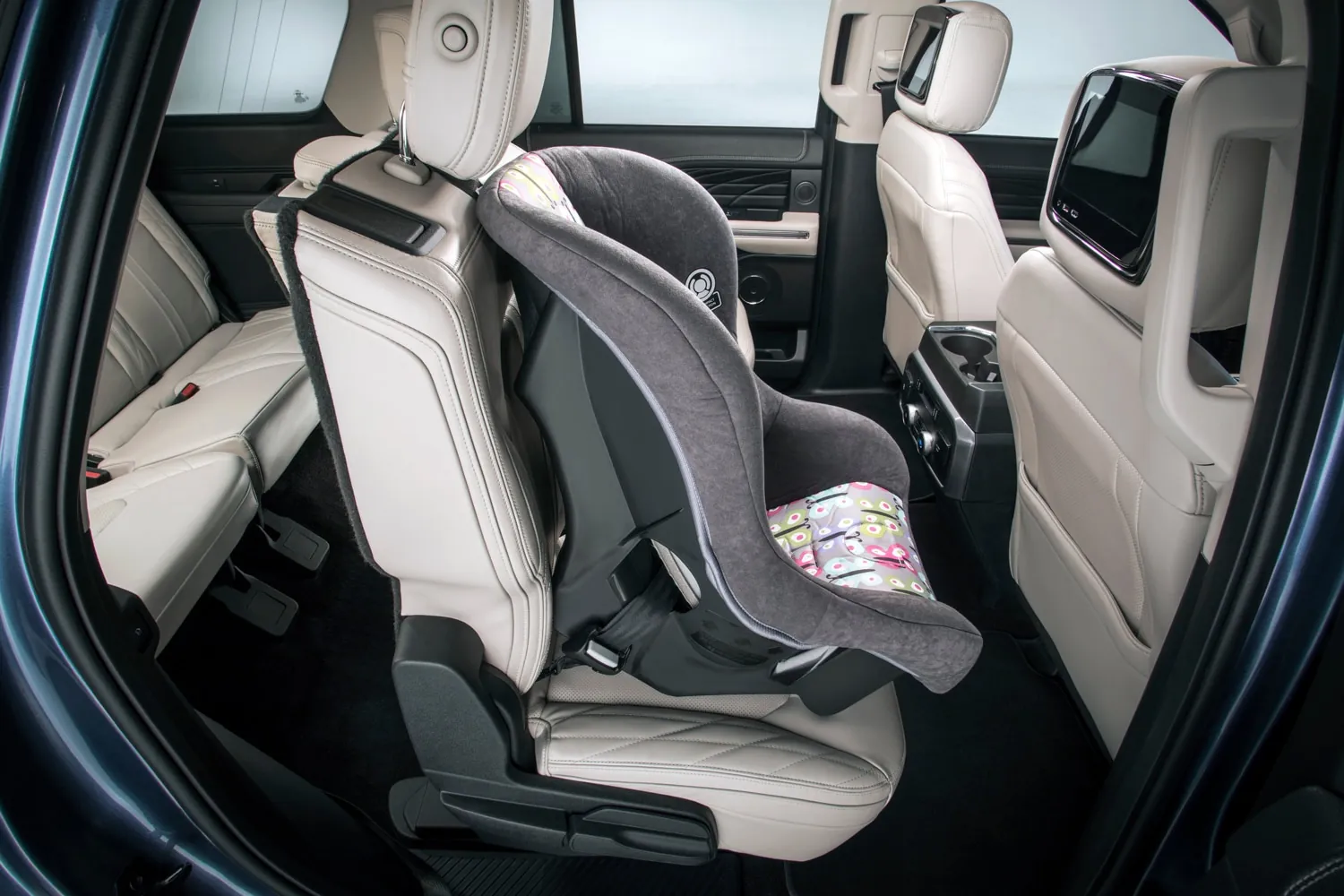
Different situations alter when the standard guidance applies, and following the wrong rule for your circumstance compromises safety.
| Situation | What changes | What to do instead |
|---|---|---|
| Child exceeds rear-facing height first | Weight limit not yet reached | Switch based on height measurement alone |
| Convertible seat has low rear-facing limit | Outgrows rear-facing before age two | Move to higher-limit convertible seat |
| State law sets minimum age requirement | Legal floor exists below best practice | Follow whichever standard is stricter |
| Special needs affect positioning | Standard harness doesn’t fit properly | Consult pediatric occupational therapist |
| Vehicle lacks tether anchors | Can’t secure forward-facing tether | Use approved retrofit kit or different seating position |
| Premature birth affects development | Neck strength lags behind chronological age | Delay turning based on corrected age assessment |
Installing Forward-Facing Correctly
- Confirm your child meets both the minimum weight and age requirements printed on your specific car seat’s label before attempting any forward-facing installation in your vehicle.
- Locate the vehicle’s designated top tether anchor point using your owner’s manual, then route the tether strap over the seat back and hook it securely to prevent excessive head excursion.
- Thread the vehicle seat belt or LATCH connectors through the forward-facing belt path marked on the car seat, ensuring no twists exist that would reduce restraint effectiveness during sudden stops.
- Tighten the installation until the seat moves less than one inch side-to-side at the belt path, checking firmness by gripping near the buckle rather than the top edge.
- Adjust harness straps so they emerge at or slightly above your child’s shoulders, threading them through the correct slots specified in the manual for forward-facing orientation only.
- Position the chest clip at armpit level to keep harness straps properly placed across the collarbones, preventing dangerous slack that allows partial ejection during frontal collisions.
- Recheck all connections monthly and after cleaning, as vibration gradually loosens hardware and fabric compression creates hidden slack that isn’t visible during casual inspection.
Common Installation Errors
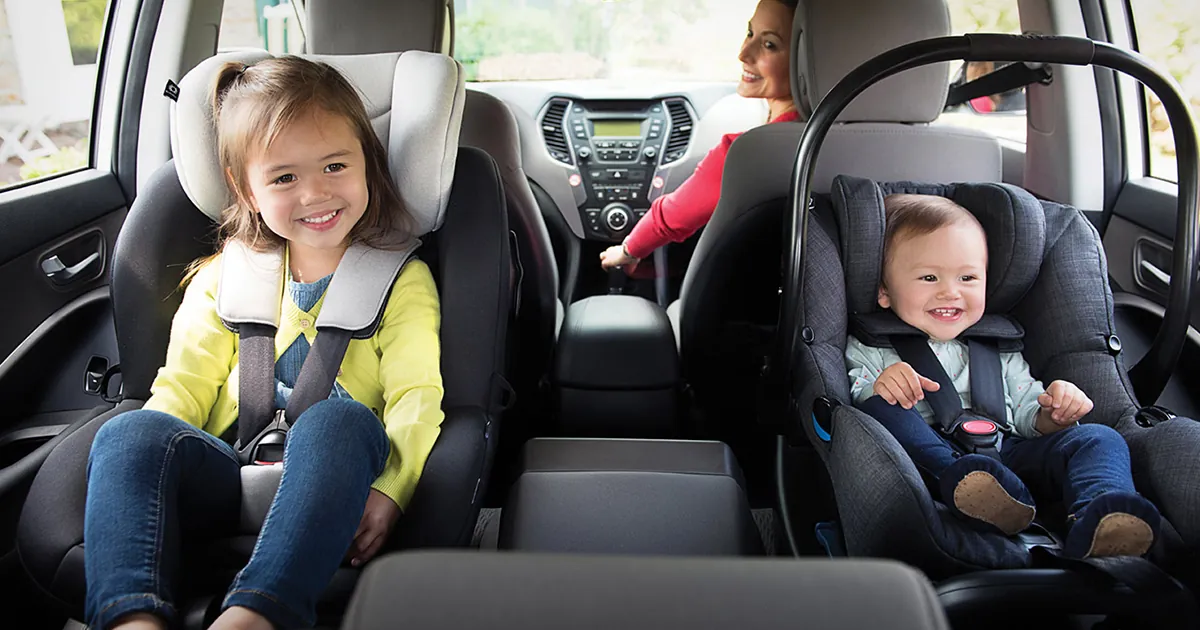
Skipping the top tether reduces forward-facing safety dramatically. This anchor limits head rotation that increases brain injury risk during frontal impacts.
Using harness slots below the shoulders in forward-facing mode is a critical error. Straps slide off during crashes, leaving the upper body completely unrestrained when forces peak.
Transitioning based solely on age ignores physical readiness. Smaller children face neck forces their developing spines can’t safely absorb without adequate muscle support.
Leaving winter coats on under harnesses creates compressible padding. This bulk becomes fatal slack upon impact, allowing dangerous body movement within restraints during sudden stops.
Assuming all seats have identical limits leads to premature turning. Different convertible models vary significantly between vehicles or caregivers. Always verify the specific height and weight maximums printed on your seat’s side label before making any transition decision. Relying on memory of a previous seat’s specifications risks exceeding safe engineering tolerances for your current child restraint system.
Related guides
- Best Toys for Babies under 1 in
- Top Baby Gear for Twins Compared in 2026
- Top Soft Toys for Babies Compared in 2026
Frequently asked questions: When Can Baby Face Forward in Car Seat
Can my two-year-old face forward legally?
Yes, if they meet your specific seat’s forward-facing minimums, though most safety bodies recommend waiting longer. Check your state’s individual statutes, as several now mandate rear-facing until age two regardless of size thresholds.
How long should kids stay rear-facing?
Children should remain rear-facing until reaching their convertible seat’s maximum height or weight limit, typically between ages three and five. Most modern convertible seats support rear-facing to 40–50 pounds. The American Academy of Pediatrics advises extending this period as long as the seat permits rather than turning at arbitrary birthdays.
What happens if I turn too early?
Early forward-facing exposes vulnerable neck structures to crash forces they can’t withstand, significantly increasing spinal cord injury risk. Insurance claims may face scrutiny if installation violated manufacturer instructions. Law enforcement can issue citations in states with minimum rear-facing age laws. More importantly, you lose the proven protective advantage that rear-facing provides during the most common collision types.
Is it safe if their legs touch the seat?
Yes, leg contact with the vehicle seat back poses no safety concern for rear-facing children. Kids naturally bend knees or sit cross-legged comfortably. Research shows leg injuries are actually more frequent in forward-facing positions where feet brace against front seats during deceleration. Comfort shouldn’t override documented spinal protection benefits that rear-facing provides throughout early childhood.
Does my car seat expire?
Yes, most car seats expire six to ten years from manufacture date due to plastic degradation and evolving safety standards. The expiration date appears molded into the seat shell or printed on the registration label. Using expired equipment risks structural failure during crashes. Replace immediately if past the date, involved in any moderate-severe crash, or recalled by the manufacturer.
Can I use LATCH and seat belt together?
No, never combine LATCH and seat belt installations unless your specific manual explicitly permits dual attachment. Most manufacturers prohibit this because conflicting tension points create unpredictable crash performance. Choose one method and install it correctly. Both systems provide equivalent safety when used properly according to instructions, so select whichever achieves tighter installation in your particular vehicle.
What if my child has special needs?
Consult a certified Child Passenger Safety Technician with special needs training before modifying standard recommendations. Some conditions require extended rear-facing beyond typical limits or specialized restraint systems. Your pediatrician or occupational therapist can coordinate appropriate assessments. Never adapt conventional seats without professional guidance, as improper modifications compromise protection for medically complex children who already face elevated transportation risks.
Conclusion
Your child’s safety depends on matching installation choices to their actual measurements and your specific equipment’s certified limits rather than convenience or social expectations. Every transition represents a trade-off between developmental comfort and crash protection, so verify each decision against current manufacturer guidance and documented medical consensus before moving forward.