

The most reliable indicator that an infant is thriving is consistent weight gain along their established growth curve, not a single measurement on a specific day. It’s safe to continue your normal care routine if your child is feeding well and producing wet diapers regularly. You can confirm this right now by checking their diaper count; six or more heavy wet diapers in 24 hours shows adequate hydration and intake. What Are the Signs of a Healthy Baby means tracking these daily patterns rather than worrying over momentary changes in mood or appetite.
Signs of a healthy baby

Your infant communicates their physical state through observable behaviors and bodily functions that you can track without medical equipment. These daily markers give you a clearer picture of well-being than any single doctor’s visit, because they reflect how your child is functioning across hours and days rather than minutes. The table below translates common observations into actionable meaning so you know when to relax and when to call.
| What you notice | What it usually means | What to do first |
|---|---|---|
| Six plus wet diapers daily | Adequate hydration and milk intake | Continue current feeding schedule |
| Steady weight gain weekly | Sufficient calories for growth | Track at next pediatric visit |
| Content between feeds | Hunger cues are being met | Maintain responsive feeding pattern |
| Regular bowel movements | Digestive system functioning normally | Note consistency for pediatrician |
| Strong cry and active limbs | Normal neurological development | Provide supervised tummy time |
| Alert periods after waking | Brain receiving adequate nutrition | Engage with eye contact briefly |
| Skin returns quickly after pinch | Good fluid balance and circulation | Monitor diaper output closely |
| Consistent sleep-wake cycles | Developing circadian rhythm | Keep environment predictable |
Steady weight gain confirms nutrition
Weight gain measured over weeks, not days, is the primary clinical sign that an infant is receiving enough nutrition to support development. A baby typically gains about 150 to 200 grams per week during the first three months, though this rate slows significantly after four months as activity increases. If your child follows their own percentile line on the WHO growth chart, they’re getting what they need regardless of whether that line is at the 15th or 85th percentile.
You can check this at home by noting how clothes fit over two-week intervals rather than relying on scale readings that fluctuate with hydration. A onesie that still fits comfortably after fourteen days suggests appropriate growth, while one that suddenly feels tight may indicate a growth spurt worth mentioning at the next visit. The confirming sign isn’t a number but a trajectory; steady progress along their personal curve matters far more than matching an average.
If weight stalls for more than ten days despite frequent feeding, that’s the point where professional assessment becomes necessary rather than optional. This doesn’t mean failure on your part; some infants need adjusted feeding strategies that only emerge through careful tracking. The trade-off here is between reassurance from daily observation and the precision of clinical measurement, and both have their place depending on what you’re seeing.
Wet diapers show proper hydration

Urine output is the fastest way to assess whether an infant is taking in enough fluid, and it’s measurable within hours rather than weeks. After the first five days of life, six or more noticeably wet diapers in twenty-four hours indicates sufficient milk transfer for babies under six months old. Fewer than six suggests intake may be inadequate even if the infant seems content, because some babies conserve energy when underfed rather than signaling distress loudly.
Distinguish this from weight concerns by timing: low diaper count appears within a day of insufficient feeding, while weight lag takes seven to ten days to become visible. Check by feeling the diaper’s weight before changing; a properly hydrated infant produces diapers that feel heavy like a water balloon, not merely damp. If output drops below six in 24 hours, offer additional feeds immediately and contact your pediatric provider if counts don’t return to baseline within twelve hours.
This measure works because kidneys prioritize vital functions first; reduced urine means the body is already conserving fluid. Don’t wait for other symptoms to appear before acting on low output, since dehydration progresses faster in infants than adults.
Active alertness reflects brain development
Periods of calm alertness after waking signal that an infant’s brain is receiving adequate glucose and oxygen for cognitive processing. Newborns should have brief alert windows totaling at least one hour across the day by two weeks of age, gradually lengthening to thirty-minute stretches by eight weeks. If your baby consistently remains drowsy outside of sleep times or can’t sustain eye contact during these windows, it may indicate insufficient caloric intake rather than temperament.
Tell this apart from hydration issues by observing the sequence: alertness problems follow prolonged low intake, while dehydration shows up in diaper counts first. Encourage engagement during natural wake periods without forcing stimulation when they’re fussy or overtired, since forced interaction masks true developmental readiness. The confirming sign is spontaneous interest in faces or high-contrast objects during calm states, not compliance with adult prompting.
Some infants are naturally less visually oriented in early weeks, so compare against their own baseline rather than siblings or peers. If alert periods shrink noticeably over several days despite adequate diapers and weight, mention it specifically at your next visit rather than waiting for a milestone checklist.
When to seek medical evaluation
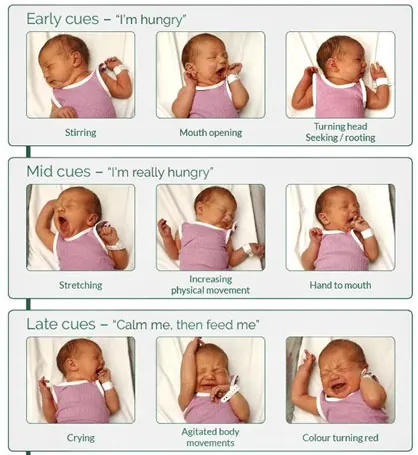
Certain signs require professional assessment because they fall outside safe home monitoring. Contact your pediatric provider promptly if you observe any of these indicators, as they suggest underlying issues needing clinical diagnosis rather than feeding adjustments.
- No wet diapers in eight hours, indicating possible dehydration requiring medical rehydration protocols.
- Weight loss exceeding seven percent of birth weight after day five, signaling inadequate transfer needing lactation support.
- Lethargy unresponsive to gentle stimulation, suggesting metabolic or infectious causes beyond simple hunger.
- Persistent vomiting after every feed, which differs from normal spit-up and risks electrolyte imbalance.
- Blue tint around lips or tongue during feeding, pointing to cardiac or respiratory compromise needing urgent care.
Attempting to manage these at home delays necessary treatment and can worsen outcomes. Your role is recognition and timely referral, not diagnosis or intervention beyond basic comfort measures.
Related guides
- Best Baby Spoons for Self-Feeding: Honest Reviews
- Best Feeding Position for Reflux Baby: My Honest Review of the Perfect Pillow
- When to Start Feeding Baby Food: Expert Tips for New Parents
Frequently Asked Questions: What Are the Signs of a Healthy Baby
How many wet diapers should a newborn have?
Six or more heavy wet diapers per 24 hours is the standard after day five of life. Before that, expect one wet diaper per day of age as milk supply establishes. Count resets each morning; fewer than six after the first week warrants same-day consultation with your pediatric provider to rule out dehydration or feeding difficulties.
Why does my baby seem hungry constantly?
Cluster feeding every thirty to sixty minutes is normal during growth spurts at three weeks, six weeks, and three months. This behavior boosts milk supply to match increased caloric needs and typically lasts 24 to 48 hours. If constant hunger persists beyond two days without corresponding weight gain, consult your provider to assess latch efficiency or supply adequacy.
Is it safe to track weight at home?
Yes, using a calibrated infant scale weekly provides useful trend data between visits. Daily weighing creates unnecessary anxiety due to normal fluid fluctuations. Record measurements at the same time each week, ideally before morning feeding, and share the log with your pediatrician rather than interpreting numbers alone. Home scales supplement but never replace clinical assessments.
Can a healthy baby sleep too much?
Newborns sleeping over nineteen hours daily with poor weight gain or fewer than six wet diapers need evaluation. Healthy infants typically sleep fourteen to seventeen hours total, waking every two to three hours to feed in early weeks. Excessive sleep combined with low output suggests insufficient intake rather than good rest, and requires prompt medical review.
What happens if my baby isn’t gaining weight?
Stalled growth for over ten days triggers assessment of feeding technique, milk transfer, and possible medical causes. Your provider will check latch, evaluate oral anatomy, and may order labs to rule out reflux or metabolic issues. Early intervention prevents developmental delays; most cases resolve with targeted feeding support rather than formula supplementation alone.
Does crying always mean something is wrong?
No, crying is normal communication, averaging two hours daily in healthy newborns. Concern arises when crying exceeds three hours daily for over three weeks, or accompanies fever, vomiting, or lethargy. Responsive soothing meets emotional needs without reinforcing dependency; persistent inconsolable distress warrants medical evaluation to exclude pain sources like ear infections or urinary tract issues.
How long until feeding patterns stabilize?
Most infants develop predictable routines between eight and twelve weeks as digestive maturity increases. Before that, irregular clustering and night waking serve biological purposes for supply regulation. Stability emerges gradually; sudden changes after established patterns often signal illness, teething, or developmental leaps rather than regression, and deserve attention to underlying cause.
Conclusion
Tracking these signs builds confidence in reading your infant’s unique language of health. Trust develops through repeated observation, not perfection, and your growing familiarity with their patterns is itself a marker of attentive caregiving that supports their development just as surely as adequate nutrition does.