
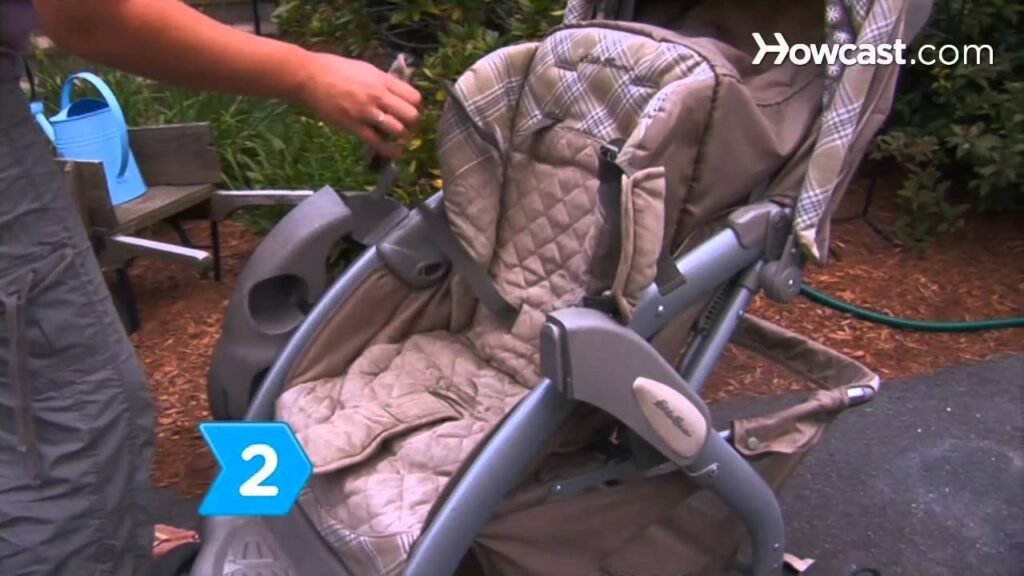
How to pick a stroller best for most families because it safely adapts from birth through the toddler years. Picking a stroller is easiest when you match the frame to your primary walking surface and storage space. An ultra-compact umbrella frame wins instead if you rely on tight city buses or walk up three flights of stairs every day.
How to pick your ideal stroller
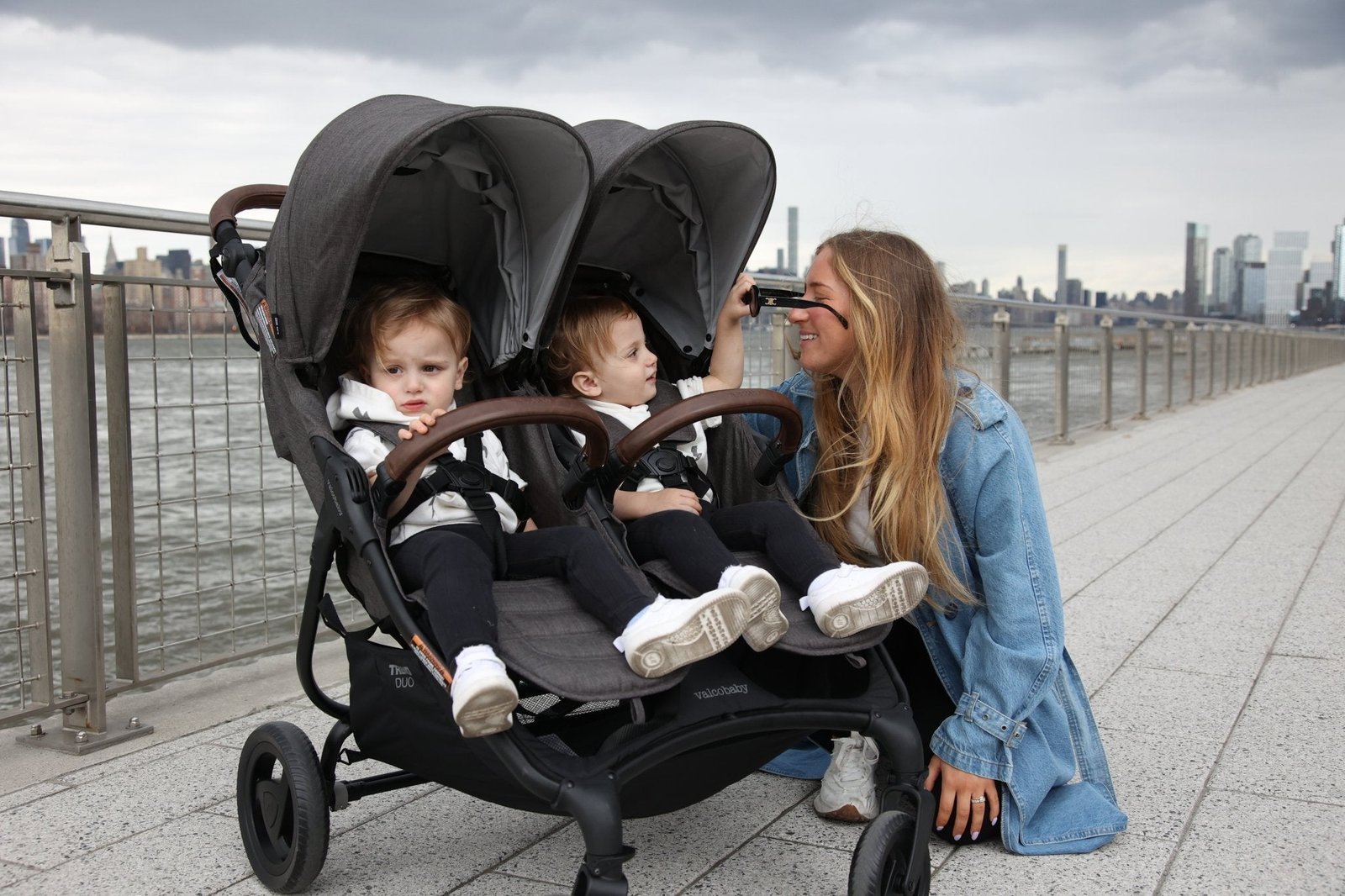
The right model balances physical bulk against ride comfort, so you can pick the category that matches your daily routine.
| Method | How long | Effort | Cost | Best for |
|---|---|---|---|---|
| Modular Full-Size System | 30 to 45 minutes to test | Medium | High | Daily neighborhood walks and long outings |
| Compact Travel Stroller | 15 to 20 minutes to test | Low | Medium | Public transit, flights, and trunk storage |
| Dedicated Jogging Stroller | 20 to 30 minutes to test | High | High | Running and rough dirt paths |
| Basic Lightweight Umbrella | 10 to 15 minutes to test | Low | Low | Quick dry-weather errands with an older child |
Testing a Full-Size Modular Frame
A full-size stroller gives you the most versatility from infancy to early childhood.
- Check that the main seat reclines completely flat, or click a compatible infant car seat adapter into the chassis until it locks with an audible click.
- Measure your vehicle trunk, then fold the frame using the dual-side release levers to confirm it fits without blocking your rear window line.
- Place a 15-pound weighted bag in the main seat to simulate a growing baby, then push the stroller across a transition strip or carpet edge.
- Step naturally behind the handlebar; if your shins hit the rear axle, extend the telescoping handle upward by two clicks.
This setup offers deep storage baskets and reversible seating so your infant can face you. It handles broken sidewalks and park grass smoothly. However, the heavy frame makes lifting it into high car trunks tiring. This build isn’t for people living in walk-up apartments without ground-floor storage. If you carry groceries up stairs while holding a child, this frame will quickly exhaust you.
Fitting a Compact Travel Stroller
Travel strollers focus on fast folding and a small footprint for tight spaces.
- Press the primary handlebar safety button with your thumb, squeeze the lower trigger, and guide the frame down until the automatic latch snaps shut.
- Pick up the folded frame with one hand while holding a heavy bag in the other to ensure you can balance both without tipping over.
- Unlatch the lock and shake the frame open with one upward snap, checking that both side joints show green lock indicators.
- Adjust the seat harness by sliding the shoulder straps into the slots that sit level with or just above your child’s shoulders.
These frames slide into tiny closets, narrow cafe aisles, and overhead airplane bins. They weigh very little and steer through tight doorways easily. Their weakness lies in their tiny wheels. Small plastic wheels catch hard on sidewalk cracks, jarring your child. Choosing this frame means accepting that you trade rough-terrain comfort for a lighter carry.
Setting Up an All-Terrain Jogger
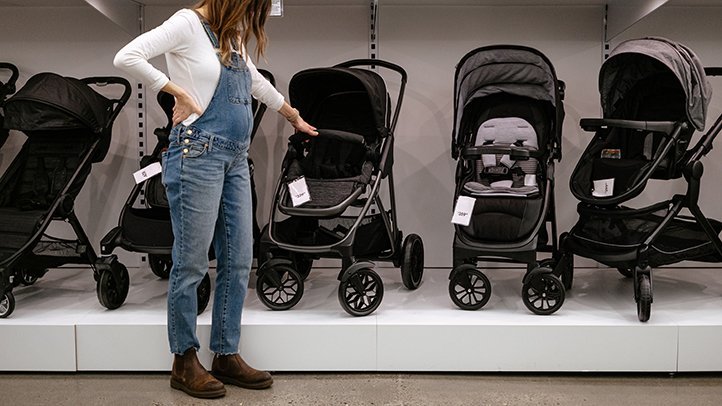
Jogging strollers use large, air-filled tires to absorb heavy impacts at faster speeds.
- Inspect the tire pressure with a standard bicycle tire gauge, inflating each tire to the exact PSI printed on the rubber sidewall.
- Flip the front wheel switch into the fixed, forward-facing position so the wheel can’t turn freely during fast movement.
- Slip the safety wrist tether strap securely around your wrist before you place your hands on the handlebar.
- Press firmly down on the rear foot brake bar and push forward hard to verify that both rear wheels stay completely locked.
These models glide effortlessly over deep gravel, packed sand, and tall grass. The wide wheelbase keeps the stroller stable when moving at high speeds. The major drawback is their massive frame size. They rarely fold down flat enough for small sedans, and their width makes them clumsy in grocery store aisles. A traditional umbrella stroller works as a cheap alternative for older toddlers, but its rigid frame lacks any real suspension.
Which one should you use?
If you’re in a hurry, grab a compact travel stroller, but verify it fits your specific vehicle’s trunk dimensions.
If you’re buying for your first baby, choose a full-size modular system. It includes the infant adapters, bassinet compatibility, and durable wheel build you need to cover everyday growth stages without buying a second frame later.
If you want the best possible glide over cracked pavement, dirt paths, and roots, buy an all-terrain jogger. The large air-filled tires absorb shocks that rattle smaller frames.
Here is the central trade-off: large wheels provide a smooth ride for the baby, but they add heavy frame weight that you must lift every single day. If you prioritize easy lifting, pick small wheels; if you prioritize an easy push on rough ground, accept the heavier frame.
The rules that apply whichever way you choose
Always confirm the frame meets standard safety rules before buying. The CPSC stroller safety requirements mandate that every commercial model include a secure five-point harness, dependable parking brakes, and latch mechanisms that prevent accidental folding while occupied.
Before using any model, clear a flat space and assemble the wheels until they click solidly into their housings. Check the frame screws, hinge locks, and harness buckles periodically according to the manufacturer’s manual to ensure nothing has worked loose.
A common mistake is hanging heavy diaper bags directly onto the handlebar. This costs parents money when the frame tips backward, bending the rear frame joints or breaking the recline mechanism. This limit varies by model, so check your stroller’s warning label for maximum basket weight. Finally, engage the parking brake every single time you take your hands off the handlebar.
Frequently asked questions
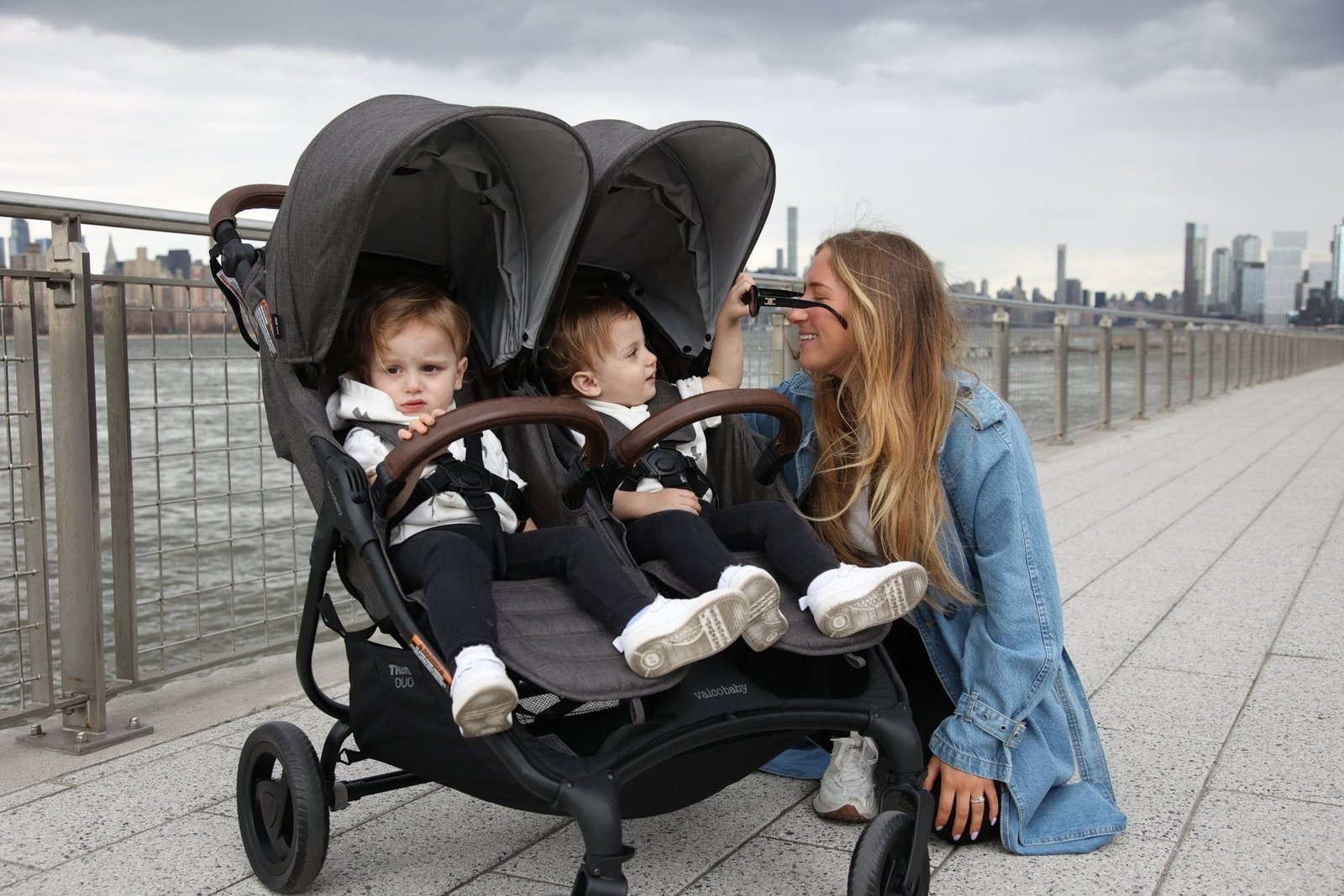
Can a newborn go in a regular stroller seat?
No, a newborn can’t ride in a standard stroller seat unless it reclines completely flat. Infants lack neck strength to keep their airways open when sitting upright. Use an approved bassinet attachment or a matching infant car seat until your baby reaches six months of age and sits upright alone.
Why do some strollers have three wheels instead of four?
Three wheels allow for a locked front tracking wheel and easier steering around sharp corners. This design lets you push through dirt or run without fighting wheel wobble. Four wheels provide greater side-to-side stability, which prevents tipping when an older child climbs into the seat on their own.
How long does a standard stroller last?
A quality stroller lasts for several years of regular daily use. The plastic joints, folding latches, and wheel bearings slowly wear out from road grit and heavy folding. Storing the frame indoors away from rain and freezing temperatures helps the fabric and moving metal parts last longer.
Is it safe to jog with a swivel front wheel?
No, it’s dangerous to jog while the front wheel swivels freely. A swiveling wheel can hit a small pebble at high speed, turn sideways suddenly, and flip the stroller forward onto the ground. Always engage the front wheel lock before you increase your walking pace into a run.
What happens if you exceed the stroller weight limit?
Exceeding the maximum weight rating bends the rear axle, strips the folding hinge gears, and causes the wheel bearings to seize. The frame becomes hard to steer and might collapse unexpectedly. Check the fabric tag sewn underneath the footrest to find the exact child and cargo weight limits.
Final Thoughts
Once you’ve narrowed down your favorites, don’t just buy online. Head to a local shop and push the floor models around the aisles yourself. You’ll quickly see how the wheels handle turns and how easily the seat clicks into place. It’s the best way to feel confident about your final choice.