
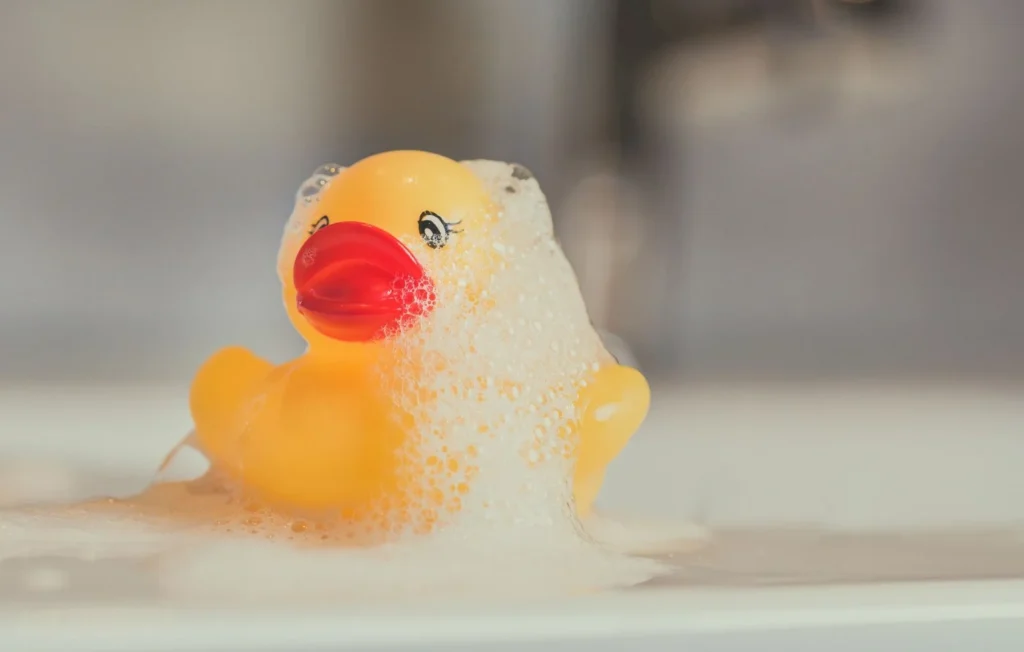
How to Clean Bath Toys Mold: Submerge them in a solution of one part white vinegar to three parts warm water for at least an hour, squeeze the liquid through any openings repeatedly, scrub the exterior with a soft brush, and allow them to dry completely before returning them to the tub. Mold thrives in the dark, damp interiors of squeaky rubber ducks and teething rings because trapped bathwater never fully evaporates. Removing this buildup requires breaking down the fungal colonies chemically and physically flushing them out.
Key Takeaways
- Submerge hollow bath toys in a white vinegar solution for one to two hours to dissolve interior mold colonies safely.
- Squeeze toys repeatedly while submerged to force the cleaning solution deep inside where hidden spores live.
- Never mix bleach and vinegar together, as combining these common household cleaners creates dangerous chlorine gas.
- Boil solid silicone or hard plastic toys for five minutes to sterilize them without using any chemical cleaners.
- Cut open rubber toys with a utility knife if you can’t flush the mold out, or throw them away immediately.
- Prevent future growth by storing bath toys in a mesh drying bag that allows constant airflow after every use.
Why Does Mold Grow Inside Bath Toys?
Bathwater contains soap residue, dead skin cells, and organic matter that fungi feed on. When a child squeezes a rubber duck underwater and releases it, the toy acts like a vacuum, pulling contaminated water inside its hollow chamber. Because the opening is small, air circulation inside the toy remains practically nonexistent. This creates a perpetually damp, dark environment perfectly suited for microbial growth.
According to a widely cited 2018 study published by researchers from ETH Zurich and the Swiss Federal Institute of Aquatic Science and Technology, flexible bath toys harbor dense bacterial and fungal communities, including potentially pathogenic species. The soft polymers used to manufacture these toys leach organic carbon compounds into the trapped water, essentially feeding the organisms multiplying inside. Trapped moisture is the primary culprit behind every slimy black flake you see floating in your bathtub.
How to Clean Bath Toys Mold
This section covers the exact steps required to eliminate mold from the inside and outside of your child’s bath toys. You need a reliable method to clean bath toys mold effectively without exposing your family to harsh industrial chemicals. The process relies on acidic solutions to break down the fungal structure and mechanical action to dislodge it.
The White Vinegar Soak Method
White distilled vinegar contains acetic acid, which penetrates porous materials and kills roughly eighty-two percent of known mold species. It’s non-toxic, inexpensive, and safe for items children put in their mouths once rinsed.
| Step | Action | Duration |
|---|---|---|
| 1 | Mix one part white vinegar with three parts warm water in a basin. | 2 minutes |
| 2 | Submerge all hollow bath toys completely under the surface. | 1 minute |
| 3 | Squeeze each toy ten times to draw the vinegar solution inside. | 5 minutes |
| 4 | Let the toys soak undisturbed in the basin. | 60 minutes |
| 5 | Squeeze again repeatedly to flush out loosened black flakes. | 5 minutes |
| 6 | Rinse thoroughly with fresh tap water until no vinegar smell remains. | 3 minutes |
Ensure the vinegar solution reaches every internal corner by squeezing firmly and releasing slowly.
Using Diluted Bleach Safely
For severe infestations where vinegar fails, diluted chlorine bleach provides a stronger disinfecting punch. Mix exactly one tablespoon of unscented liquid bleach per gallon of cool water. Submerge the toys, squeeze them to pull the bleach mixture inside, and let them soak for fifteen minutes. Don’t exceed this time limit, as prolonged exposure degrades rubber and silicone.
Rinse the toys extensively with clean water afterward. Leave them in direct sunlight to dry, which helps neutralize residual bleach. Always wear protective gloves when handling bleach solutions to prevent skin irritation. Chlorine bleach destroys mold at the cellular level but requires careful handling around children’s items.
Warning: Never combine bleach with vinegar, ammonia, or other household cleaning agents. Mixing these substances produces toxic chloramine or chlorine gases that cause severe respiratory damage. Use only one cleaning agent per session and rinse toys completely before trying another product.
Cleaning Solid Plastic and Silicone Toys
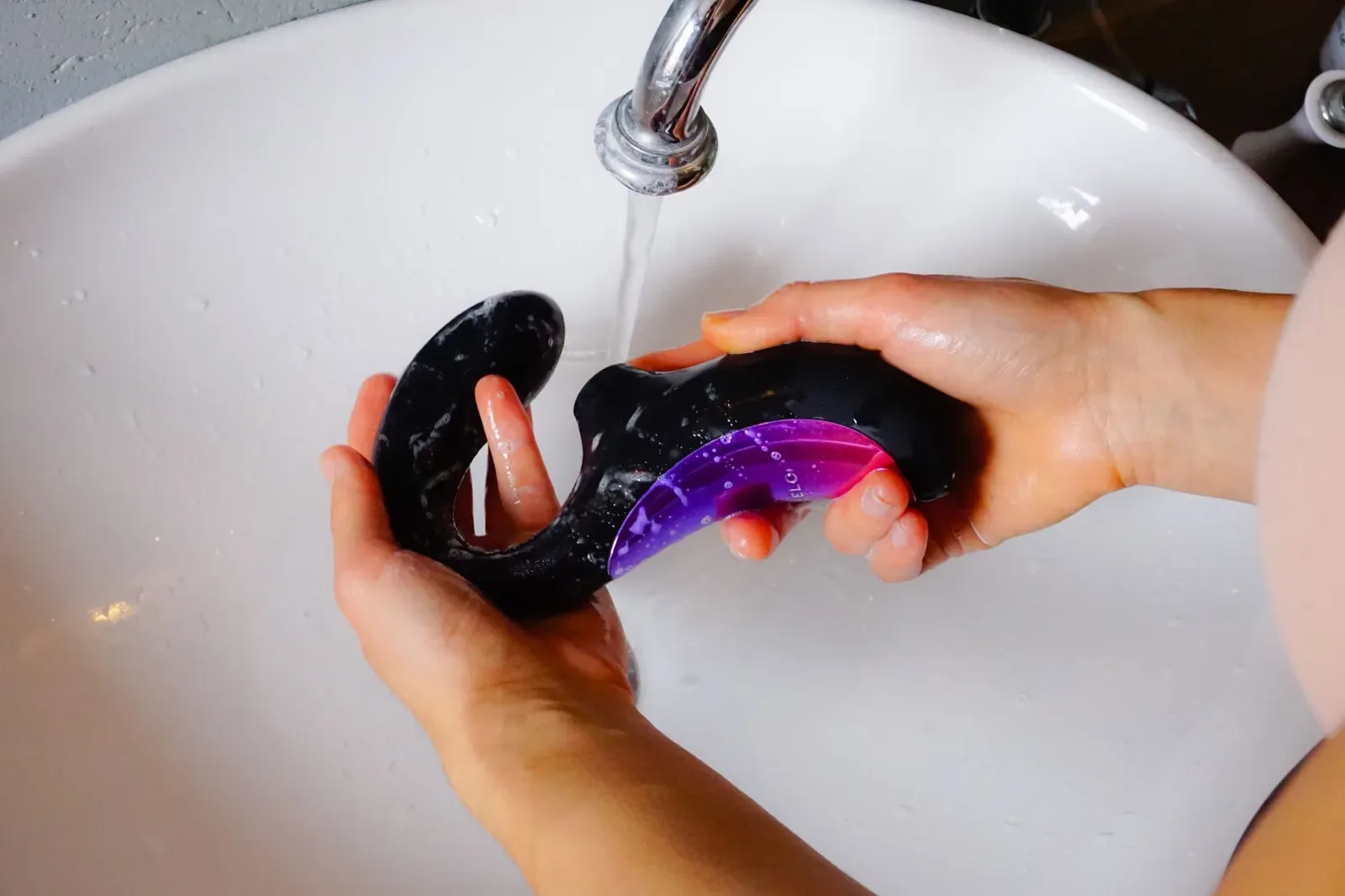
Not all bath toys have holes. Solid teethers, hard plastic boats, and chunky silicone animals don’t trap water internally, making them significantly easier to sanitize. Their non-porous surfaces prevent mold from rooting deeply, meaning surface cleaning is usually sufficient.
Dishwasher Sanitization
Hard plastic and silicone toys can often withstand dishwasher temperatures. Place them securely on the top rack so they don’t fall near the exposed heating element at the bottom. Run a standard cycle using your regular detergent and select the heated dry option if available.
The combination of hot water and steam effectively kills surface mold and bacteria. Check manufacturer labels first, as painted details might peel off during a high-heat wash. Brands like Green Toys explicitly design their products to be dishwasher safe. Top rack placement protects delicate shapes from warping under intense heat.
Boiling Water Sterilization
For smaller solid toys made entirely of silicone or heat-safe plastic, boiling offers a chemical-free sterilization method. Bring a pot of water to a rolling boil on your stove. Drop the toys in carefully using tongs to avoid splashing hot water on yourself. Let them boil for exactly five minutes.
Remove them with tongs and place them on a clean dish towel to air dry. This method mirrors how parents sterilize baby bottles and pacifiers. It works exceptionally well for removing stubborn grime from crevices on solid toys. Avoid boiling battery-operated items or toys containing glued components.
What Cleaning Solutions Work Best?
Choosing the right product depends on the severity of the mold and the material of the toy. Below is a comparison of common household options.
| Solution | Effectiveness | Safety Level | Best Used For |
|---|---|---|---|
| White Vinegar | High | Very Safe | Routine maintenance, light mold |
| Chlorine Bleach | Very High | Moderate | Severe mold outbreaks |
| Baking Soda Paste | Medium | Very Safe | Scrubbing exterior stains |
| Hydrogen Peroxide | High | Safe | Alternative to bleach for interiors |
| Boiling Water | Very High | Safe | Solid silicone or hard plastics |
Hydrogen peroxide (three percent concentration) serves as an excellent middle ground between vinegar and bleach. Pour it directly into the toy, shake vigorously, let it sit for thirty minutes, and squeeze it out. It breaks down into plain water and oxygen, leaving no toxic residue behind.
Can You Save a Severely Moldy Toy?
Sometimes, despite your best efforts, a toy is too far gone. If you squeeze a toy and thick, black, foul-smelling water continues to pour out after multiple vinegar soaks, the internal mold colony has likely penetrated the polymer matrix itself. Fungi produce microscopic root structures called hyphae that dig into porous materials. Once these roots establish themselves deeply within cheap rubber, surface cleaning can’t reach them.
In these cases, the safest option is disposal. Don’t feel guilty about throwing away a heavily contaminated bath toy; replacing a two-dollar rubber duck is vastly preferable to risking your child’s health. Look for visible black specks emerging from the hole even after thorough rinsing as a definitive sign of failure. Internal colonization means the toy belongs in the trash bin immediately.
Pro Tip: If you absolutely love a specific toy design but hate the mold problem, take a sharp utility knife or heavy-duty scissors and slice the toy in half before its first bath. An open toy can’t trap water. You can easily wipe both halves clean with a sponge after every single use, eliminating the dark, damp environment mold needs to survive.
How Do You Prevent Future Mold Growth?

Stopping mold before it starts saves time and protects your child. Prevention revolves entirely around moisture control and proper storage habits.
Drying Techniques After Every Bath
After bath time ends, gather all toys and squeeze out as much water as possible over the drain. Shake hollow toys vigorously to dislodge droplets clinging to interior walls. Wipe down solid toys with a dry microfiber cloth. Leaving wet toys piled at the bottom of the tub guarantees mold will return within days. Moisture control is the single most important factor in keeping bath items sanitary long-term.
Proper Storage Solutions
Never store wet bath toys in sealed plastic bins or opaque buckets where humidity remains trapped. Instead, use storage methods that promote maximum airflow. Mesh bags that hang over the faucet or suction-cup baskets with slotted bottoms work perfectly.
Brands like Munchkin and Skip Hop manufacture specialized bath toy organizers designed specifically for drainage. Ensure the organizer hangs freely so air circulates on all sides. If you use a mesh bag, empty it completely once a week and wash the bag itself in your washing machine to prevent cross-contamination.
| Storage Method | Airflow Quality | Mold Prevention Rating |
|---|---|---|
| Sealed Plastic Bin | None | Poor |
| Solid Bucket | Low | Poor |
| Slotted Basket | Moderate | Fair |
| Hanging Mesh Bag | High | Excellent |
| Open Wire Rack | Maximum | Excellent |
Related guides
- Best Bath Toys for Baby Compared: Top Picks for 2026
- How to Clean Baby Bath Toys: Easy Tips for Germ-Free Play
- How to Clean Baby Toys: Easy Steps for Germ-Free Playtime
Frequently Asked Questions
Is mold in bath toys dangerous for babies?
Yes, inhaling or ingesting mold spores can trigger allergic reactions, asthma attacks, or respiratory infections in young children. While small exposures rarely cause severe illness in healthy kids, chronic exposure to black mold inside toys poses unnecessary health risks. Always clean or discard contaminated items promptly.
How often should I clean bath toys?
You should perform a deep cleaning soak every one to two weeks, depending on bath frequency. Squeezing out excess water and allowing toys to dry completely should happen after every single use. Consistent weekly maintenance prevents heavy mold buildup from taking hold.
Can I use apple cider vinegar instead of white vinegar?
White distilled vinegar is strongly preferred because it lacks the sugars and coloring present in apple cider vinegar. Those extra organic compounds can actually feed bacteria rather than kill them. Stick to clear, inexpensive white vinegar containing five percent acidity for reliable cleaning results.
Are bath toys with holes safe to buy?
Toys with holes are inherently prone to trapping water and growing mold. If you purchase them, plan to cut them open before first use or commit to rigorous weekly cleaning routines. Solid toys without openings remain the safest choice for minimizing microbial growth.
Will tea tree oil kill mold inside bath toys?
Tea tree oil possesses natural antifungal properties and can inhibit mold growth. However, it leaves a strong scent and oily residue that might irritate sensitive skin. While effective as a preventative spray on solid surfaces, flushing it through hollow toys is less practical than using vinegar.
Conclusion
Take ten minutes today to inspect your current collection of bath toys. Squeeze each one over a white sink or towel to check for black flakes. Immediately discard any toy showing signs of deep internal contamination, and soak the remaining ones in a fresh vinegar solution tonight.