
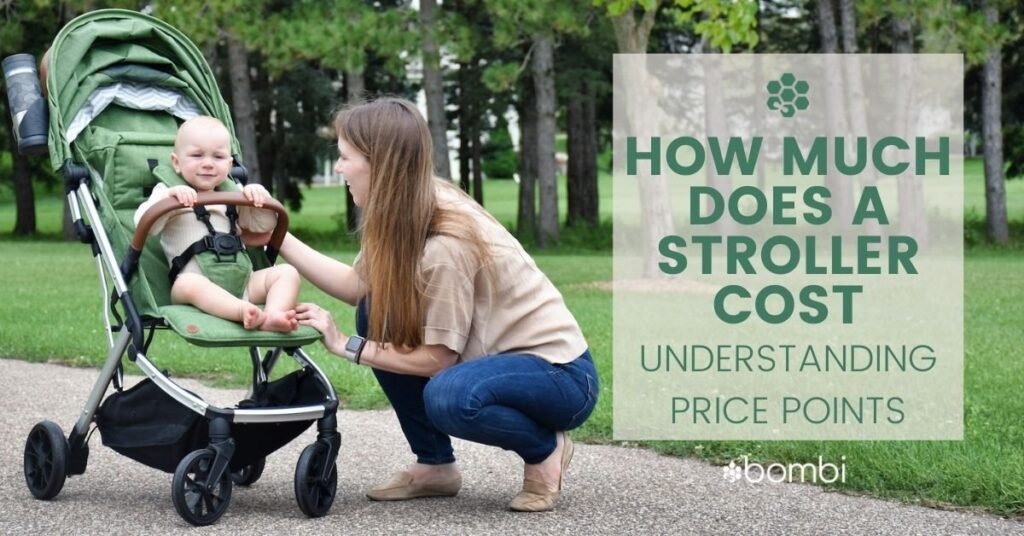
How much does a stroller cost comes down to selecting from three clear retail categories: budget models average $50 to $150, mid-range options span $150 to $450, and luxury designs run from $500 to over $1,200. Prices increase when you add an infant car seat adapter, a bassinet, or specialized accessories.
What a typical stroller will cost you
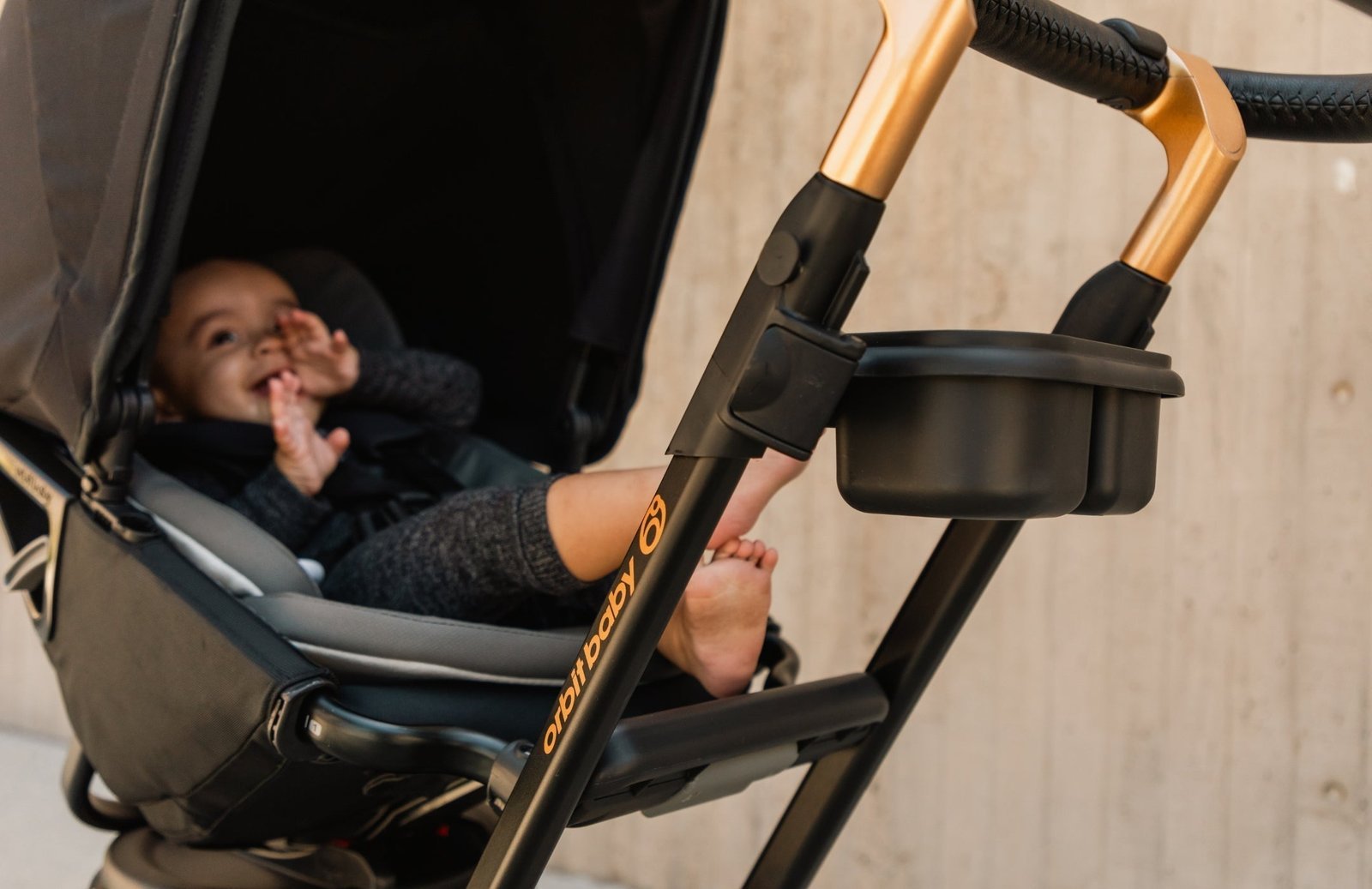 Photo: orbitbaby.com on Google
- A basic umbrella stroller for quick trips costs between $30 and $80.
- A standard full-size daily stroller runs between $150 and $400 depending on frame weight.
- A complete travel system with an infant car seat ranges from $200 to $600.
- Dedicated jogging strollers with air tires cost between $250 and $700.
- Luxury modular brands retail from $600 to upwards of $1,400.
- Double strollers for two children typically cost between $200 and $900.
Why stroller prices differ
Engineering tolerances, raw materials, and mandatory impact testing create the vast gap between retail tags. Cheap models use hollow steel tubing and hard EVA plastic wheels that wear down rapidly on rough sidewalks. Premium models rely on lightweight aircraft aluminum or magnesium alloy frames paired with sealed ball bearings and polyurethane foam-filled tires that absorb street shocks.
Every model sold in the United States must meet mandatory standards set by the U.S. Consumer Product Safety Commission under 16 CFR Part 1227. This covers brake strength, harness integrity, and pinch points. The base price difference doesn’t buy you legal safety; it buys you easier maneuvering, longevity, and better textile breathability.
Premium brands also include modular connections. These let you flip the seat outward or inward, attach a bassinet, or click in an infant bucket seat without loose straps. This flexibility carries a trade-off: higher-end modular systems often weigh over 25 pounds, making them harder to haul in and out of a car trunk compared to simpler, rigid buggies.
When the answer is different
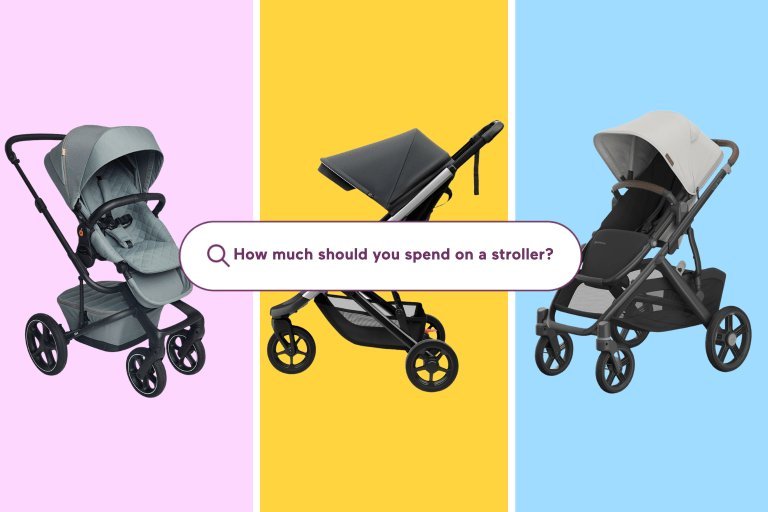 Photo: www.babylist.com on Google
The base price tags shift significantly depending on family size, child age, and terrain requirements.
| Situation | What changes | What to do instead |
|---|---|---|
| Newborn infant under six months | Needs lie-flat bassinet or car seat | Add travel system or carrycot attachment |
| Family with twins | Frame requires two identical seats | Choose side-by-side or tandem double |
| Daily off-road trail running | Plastic wheels shake and break | Buy air-filled tires with suspension |
| Frequent subway or bus commuting | Bulky modular systems fail stairs | Choose one-hand lightweight folding frame |
| Secondary car or grandparent house | Daily premium features aren’t needed | Select cheap compact umbrella stroller |
How to do it properly
- Measure your car trunk dimensions with a tape measure to set your maximum folded size limit before browsing.
- Determine your child’s age to decide if you need a full recline seat, which is mandatory for infants under six months.
- If your budget is under $200, buy a trusted mid-tier standard model; if you have $400 or more, choose a modular frame.
- Check the box or manufacturer manual for the total weight limit, ensuring it holds at least 45 to 50 pounds.
- Push the floor model with one hand down a store aisle to verify the front wheel bearings turn smoothly without drag.
- Press the foot brake down firmly until you hear a clear mechanical click, then push forward to test the wheel lock.
- Fold the frame using one hand to confirm you can close it without bending down or dropping parts onto the ground.
The mistakes that ruin it
 Photo: disneyrewards.com on Google
- Buying an infant travel system without checking the car seat expiration date on secondary marketplaces can leave you with an illegal, unsafe restraint.
- Choosing an air-tire jogging stroller for indoor city transit leaves you stuck trying to fit a heavy, 30-pound frame through narrow bus doors.
- Skipping the rain cover and cup holder purchases during early sales forces you into buying expensive brand-specific add-ons later at full retail prices.
- Overloading the handlebar with heavy diaper bags causes the frame to tip backward unexpectedly, which can crack plastic hinge joints.
Frequently asked questions
Is a more expensive stroller safer?
No, expensive models don’t provide better baseline safety. Every stroller sold by licensed retailers must pass the exact same federal stability, brake, and harness safety regulations. Higher costs pay for lighter metal alloys, smoother wheel bearings, wash-friendly fabrics, and modular adjustments rather than extra legal crash protection.
How long does a stroller last?
Between three to five years under regular use. Budget plastic wheels generally wear flat after two years of daily pavement walking. High-end aluminum designs with polyurethane tires easily survive daily use across two or three successive children without structural failure. This varies by model — check the label for individual weight and age limits.
Can I use a regular stroller for a newborn?
No, standard upright stroller seats don’t support an infant’s neck muscles. A newborn requires a seat that reclines completely flat, an attached bassinet, or an approved infant car seat adapter. Putting an infant under six months old into an upright bucket seat risks airway restriction.
Does wheel size matter for daily walking?
Yes, large wheels roll over cracked sidewalks, grass, and curbs with far less pushing effort. Small plastic wheels under six inches catch inside pavement cracks and jar your wrists. If you walk on smooth shopping mall floors, small wheels work fine, but broken asphalt demands larger rubber-tread wheels.
What happens if I buy a used stroller?
You risk buying an item with worn brake gears, missing harness clips, or hidden frame cracks from prior vehicle transit. Used options also might have open product recalls. If you buy secondhand, always check the manufacture date label on the frame against official recall databases before putting your child inside.
Who is a luxury stroller not for?
A luxury modular stroller isn’t for families living in upper-floor apartments without elevators or those relying entirely on public buses. Heavy frames weighing 27 pounds or more turn daily transit stairs into a severe physical chore. In those living situations, an inexpensive lightweight compact stroller serves daily life far better.
Before you spend your money, head to a nearby baby store and push a few floor models around the aisles. Try folding them with one hand and lifting them into your car’s trunk. You’ll quickly see which ride feels right for your daily walks and fits your family best.