
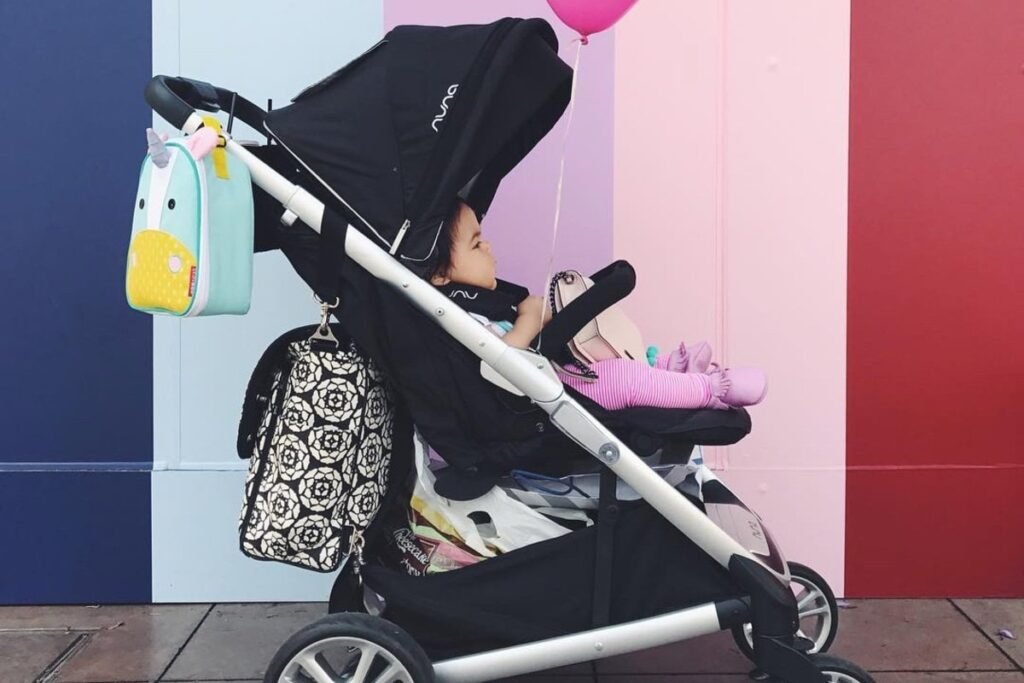
The most reliable way regarding how to choose a stroller is matching a single full-size model to your daily walking surface, because a sturdy frame handles both infant car seats and growing toddlers without extra purchases. A lightweight umbrella buggy wins instead if you rely on tight city buses and steep apartment stairs every day.
The options compared
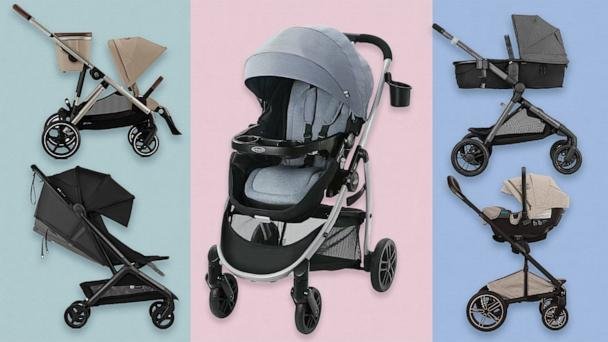 Photo: www.fizzco.co.uk on Google
Every family balances trunk space, curb handling, and budget before picking a final ride.
| Method | How long | Effort | Cost | Best for |
|---|---|---|---|---|
| Full-size modular gear | 3 to 5 years | Medium | High | Daily neighborhood walks and mixed errands |
| Lightweight umbrella frame | 1 to 3 years | Low | Low | Public transit, airports, and quick car trips |
| All-terrain air-tire jogger | 3 to 5 years | High | High | Rough gravel, park dirt trails, and running |
| Sit-and-stand double frame | 2 to 3 years | High | Medium | Growing toddlers with a newborn sibling |
Full-size travel systems
- Measure your vehicle’s trunk space with a tape measure to ensure a 25-pound folded frame fits alongside groceries.
- Click your infant car seat directly into the stroller frame using the manufacturer’s matching adapter locks until it clicks twice.
- Adjust the five-point harness straps so the webbing sits flat against your child’s shoulders according to the manufacturer’s manual, leaving space for only one adult finger beneath the harness.
- Set the seat back to full recline for newborns, then shift to upright angles once your child reaches six months of age.
This gear gives you massive under-seat storage baskets and reversible seats that let infants face you. The suspension absorbs sidewalk cracks effortlessly. The big trade-off is overall bulk: lifting a 26-pound frame into a high car trunk multiple times a day strains your lower back.
Compact umbrella buggies
 Photo: www.babylist.com on Google
- Press the foot-release lever with closed-toe shoes to release the cross-brace tension.
- Push down on the side folding levers while guiding the curved handles forward until the frame collapses into a long rod shape.
- Fasten the manual transport clip to lock the aluminum tubes together securely.
- Sling the attached carry strap over your shoulder when walking onto public transit trains or using station elevators.
These frames pack into closet corners easily and weigh under 14 pounds. They let you dart through narrow store aisles without bumping displays. Their major weakness is small, hard plastic wheels that jam on outdoor pebbles and chatter violently over brick pavers. This gear isn’t for trails or rough lawns.
Three-wheel jogging frames
- Check tire air pressure monthly using a standard bicycle pump to maintain 25 to 30 PSI, depending on the wheel sidewall text.
- Flip the front-wheel switch to the locked forward position whenever your walking speed transitions into a jog.
- Thread the safety tether strap around your wrist so a runaway descent never occurs on downhill slopes.
- Squeeze the handlebar handbrake smoothly to scrub speed before turning sharp corners.
Air-filled tires roll smoothly over tree roots, wet grass, and packed beach sand where standard plastic wheels sink. The handbrake offers immediate downhill control. However, the wide rear axle makes entering standard supermarket doorways difficult, and you must carry a bike tire patch kit for sudden flats.
A double sit-and-stand platform works well if you have children two years apart, but pushing 65 total pounds turns every sidewalk slope into heavy work.
Which one should you use?
If you’re in a hurry, pick an umbrella buggy because it requires zero assembly and fits in any car trunk without measuring.
If you’re doing this for the first time, choose a full-size modular unit because its infant adapters take the guesswork out of bringing a newborn home.
If you want the best possible result whatever it takes, buy an all-terrain jogger with rubber air tires because it handles damaged sidewalks, snow slush, and forest paths without shaking the seat.
A heavy, sturdy frame trades away effortless trunk lifting to gain smooth wheel handling over outdoor cracks. A light frame trades away smooth suspension to keep your arms from aching on bus stairs.
A common mistake is buying a heavy modular system while living in a third-floor walkup building; hauling thirty pounds of metal and a child upstairs causes parents to abandon the purchase entirely.
The rules that apply whichever way you choose
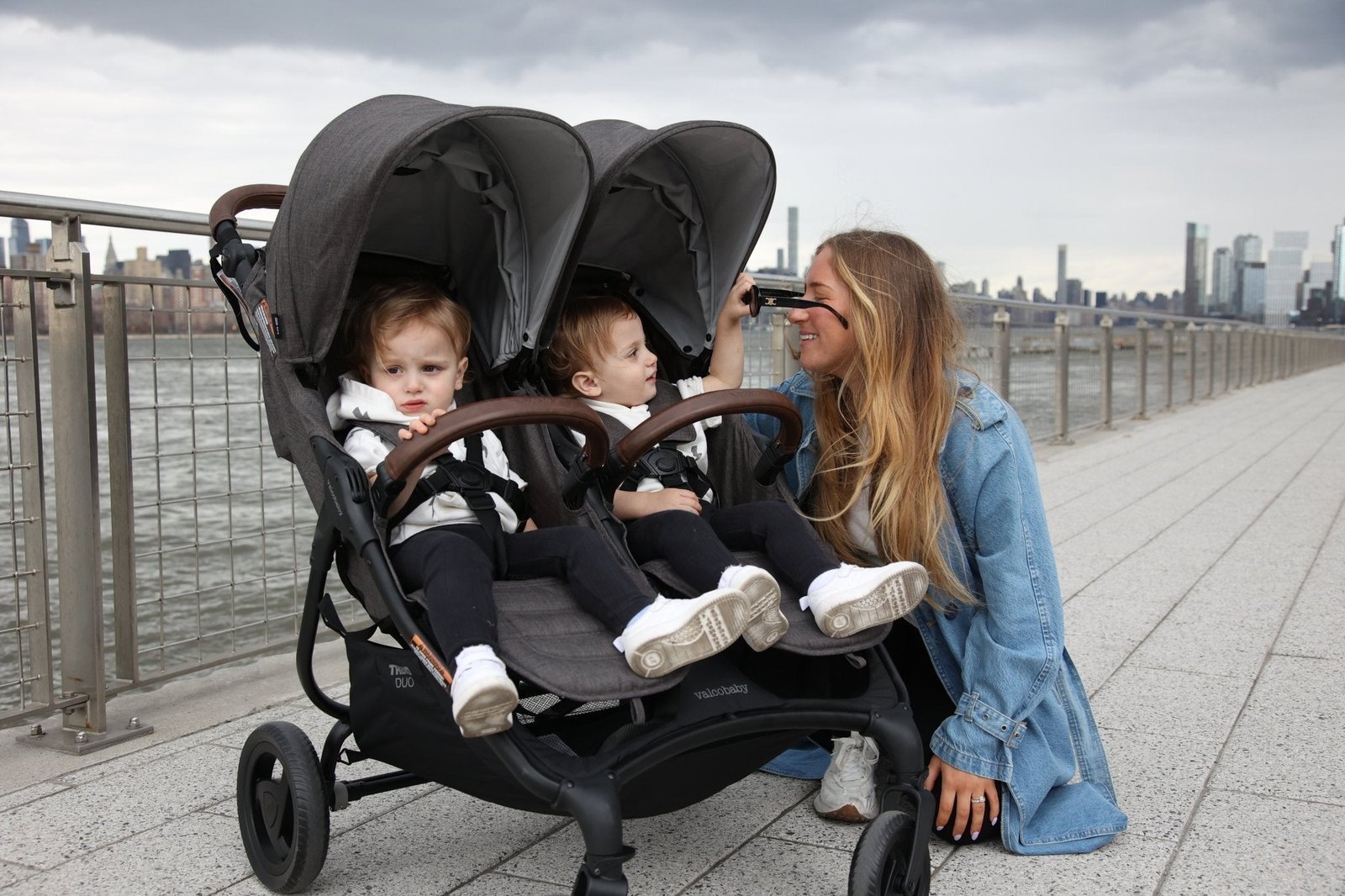 Photo: valcobabyusa.com on Google
Always confirm that your model meets current federal structural tests published by the U.S. Consumer Product Safety Commission before seating your baby. Check the manufacturer’s label directly on the lower rear leg; if the date code is missing or worn away, don’t use the frame.
Clear the fold zone of all blankets and toys before opening the frame. Listen for the distinct dual-side click of the primary latches before placing any child inside.
Inspect the wheel hubs regularly for hair, string, or dried mud wrapped around the steel axles, which causes brakes to slip.
Engage both wheel brakes before unbuckling the child at your destination. This product line varies by model—check the label for specific child weight limits. If an axle cracks or a folding hinge bends, stop using it immediately and contact an authorized repair shop.
Frequently asked questions
Can a newborn baby use a standard stroller seat?
No, newborns lack neck control and need a completely flat bassinet or compatible infant car seat. Standard seats only support babies who sit upright independently, which happens around six months. Forcing an infant into an upright seat risks airway restriction.
Is it safe to hang heavy shopping bags on the handle?
No, hanging grocery bags on the handlebar creates backward leverage that flips the entire frame onto its back. If a stroller weighs twenty pounds, a ten-pound tote hung on the handlebars easily overcomes front-wheel counterweight when the child shifts.
How long does a standard stroller typically last?
Most well-maintained units last for years before wheel treads wear down or harness clips weaken. However, fabric mildew, frame rust from rain, and worn axle bearings shorten that lifespan if you store the unit in damp outdoor sheds.
Why does my stroller pull hard to one side?
Uneven tire pressure on air-filled tires or hair wrapped around one front caster axle causes sudden pulling. Clean the wheel spindles with a damp rag and check tire firmness with a pressure gauge to restore a straight tracking line.
What happens if I jog with the front wheel unlocked?
The front caster wheel will wobble violently at high speeds, which can catch on a small sidewalk crack and flip the frame forward. Always flip the manual lock switch on the front wheel assembly into a fixed forward alignment before running.