
Most parents wonder, when do babies play with toys? It’s a simple question, but the answer depends on your baby’s age, development, and personality. Some babies start reaching for objects very early, while others take a bit more time. Knowing what to expect helps you choose the right toys and encourage healthy play. In this guide, you’ll learn when babies typically start playing with toys, how their play changes as they grow, and what you can do to support their learning.
How Babies Begin Playing With Toys
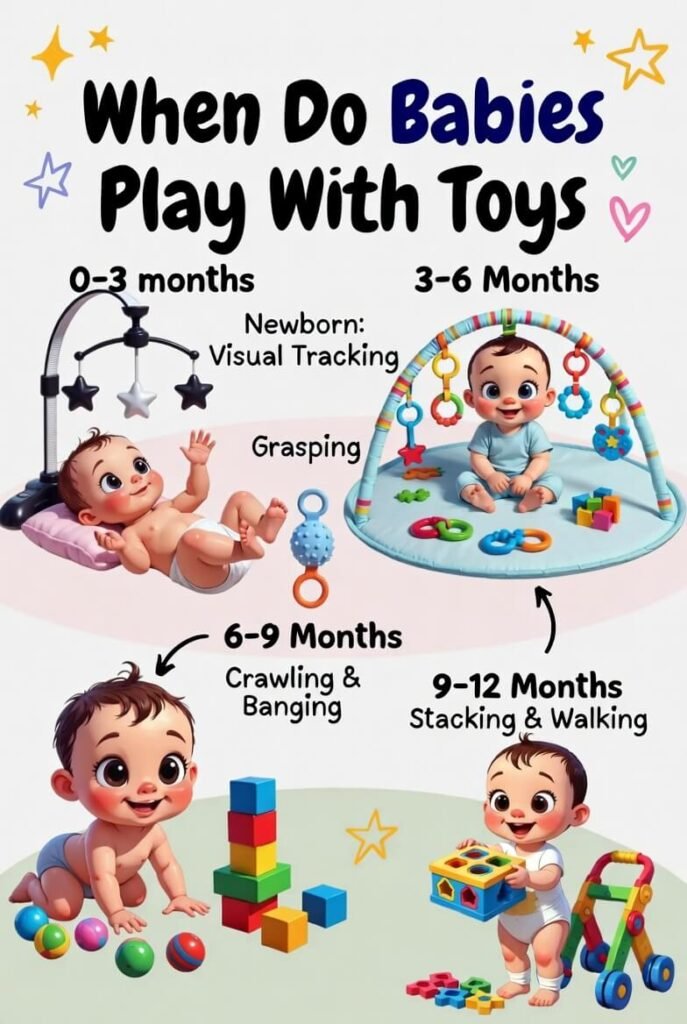
Babies are naturally curious. From birth, they watch and listen to the world around them. But actual toy play starts later. At first, newborns can only look at high-contrast objects and listen to sounds. Around two months, babies notice their hands and may try to grab things. This is the beginning of play.
By three to four months, babies start reaching for objects. They don’t always succeed, but they’re practicing. Soft rattles, fabric books, and lightweight toys are perfect at this stage. Babies love toys that make gentle sounds or have simple textures.
Stages Of Toy Play By Age
Babies’ play changes as they grow. Here’s a quick look at what to expect in each stage:
| Age | Type of Play | Ideal Toys |
|---|---|---|
| 0-2 months | Visual tracking, listening | High-contrast mobiles, soft music |
| 3-6 months | Grabbing, shaking, mouthing | Rattles, teething rings, fabric books |
| 6-9 months | Banging, dropping, exploring | Stacking cups, soft blocks, textured toys |
| 9-12 months | Crawling, pulling, cause-and-effect | Push-pull toys, simple puzzles, balls |
Most babies first play with toys by 3 months. They grab and mouth objects, learning about shape and feel. By 6 months, play becomes more active. Babies bang toys together, drop them, and enjoy simple games like peekaboo.
Key Factors That Affect Play Timing
Every baby is different. Several things can change when your baby starts playing with toys:
- Motor Skills: Babies need to control their hands to grab toys. Some develop these skills earlier.
- Vision: Clear eyesight helps babies spot and reach for toys.
- Personality: Curious babies may try to play sooner.
- Parent Interaction: Babies play more when adults show them how.
Premature babies might start playing later than full-term babies. Also, babies with vision or motor challenges may need special toys or extra time.
Choosing The Right Toys For Each Stage
Picking the right toys matters. Not all toys are safe or useful for infants. Here’s a comparison of popular baby toys by age and development:
| Age Range | Recommended Toys | Safety Considerations |
|---|---|---|
| 0-3 months | Soft mobiles, musical plush | No small parts, soft materials |
| 3-6 months | Rattles, teething rings | BPA-free, easy to clean |
| 6-12 months | Stacking toys, balls | Large pieces, non-toxic |
| 12+ months | Shape sorters, push toys | Stable base, safe edges |
A common mistake is buying toys meant for older children. These can be unsafe or too complex for infants. Always check the age label and watch for choking hazards.

How Play Changes With Age
As babies grow, their play becomes more complex. By their first birthday, many babies can:
- Stack blocks and cups
- Push and pull toys
- Drop and throw balls
- Explore puzzles with large pieces
This is called functional play. Babies learn cause and effect, such as pressing a button to hear a sound. Playtime also helps develop social skills, especially when parents join in.
Babies often repeat actions over and over. This is normal and helps them learn. If your baby seems uninterested in toys, try showing them how to play or switch to a different toy.
Non-obvious Insights For New Parents
- Play isn’t always with toys. Babies also play with their hands, feet, and faces. Simple games like tickling or singing count as play.
- Rotation helps. Changing toys every few days keeps babies interested and supports learning.
- Don’t rush milestones. Some babies play earlier, some later. Focus on fun, not comparing your child to others.
A surprising fact: Studies show babies who have more time for free play develop better problem-solving skills. It’s not about the number of toys, but the quality of interaction.
Signs Your Baby Is Ready For Toy Play
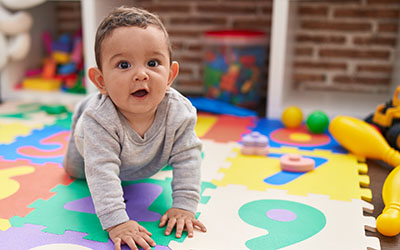
Look for these signs:
- Reaching for objects nearby
- Trying to grab or hold toys
- Watching toys move
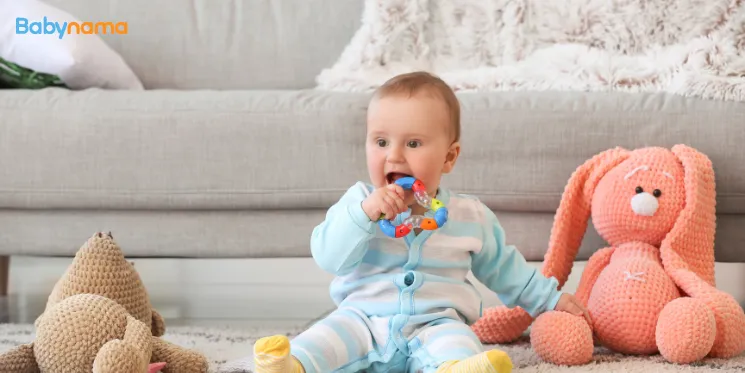
- Mouthing toys or shaking them
- Smiling at playful sounds
If your baby shows these signs, offer safe, age-appropriate toys. Watch for excitement or frustration — both are learning moments.
Encouraging Healthy Play
You can help your baby get the most from toy play:
- Play together. Babies learn best with you.
- Talk about the toys. Describe colors, shapes, and actions.
- Let your baby lead. Follow their interest instead of forcing play.
- Keep playtime short. Babies get tired quickly. 5-10 minutes at a time is enough for infants.
It’s also wise to clean toys often, as babies put everything in their mouths.
For more research-backed tips, visit Zero to Three.
Frequently Asked Questions
When Do Babies Start Playing With Toys?
Most babies begin playing with toys around 3 months old. At first, they grab and mouth soft objects. Play becomes more active by 6 months.
What Are The Best Toys For Newborns?
High-contrast mobiles and soft musical toys are best. Newborns enjoy watching movement and listening to gentle sounds.
Is It Safe To Give My Baby Plastic Toys?
Yes, as long as they are BPA-free and have no small parts. Look for toys labeled “safe for infants” and check for choking hazards.
How Can I Encourage My Baby To Play?
Play with your baby! Show them how toys work, talk about colors and shapes, and let them explore at their own pace.
Why Isn’t My Baby Interested In Toys?
Babies have different interests. Try rotating toys, playing together, or switching to simpler objects. If your baby shows no interest over several weeks, talk to your pediatrician.
Every baby is unique. Knowing when and how babies play with toys helps you support their development and enjoy precious moments together. With the right toys and a little guidance, playtime becomes a joyful part of your baby’s growth.
Pingback: Best Educational Toys for Babies to Boost Early Learning-2026