
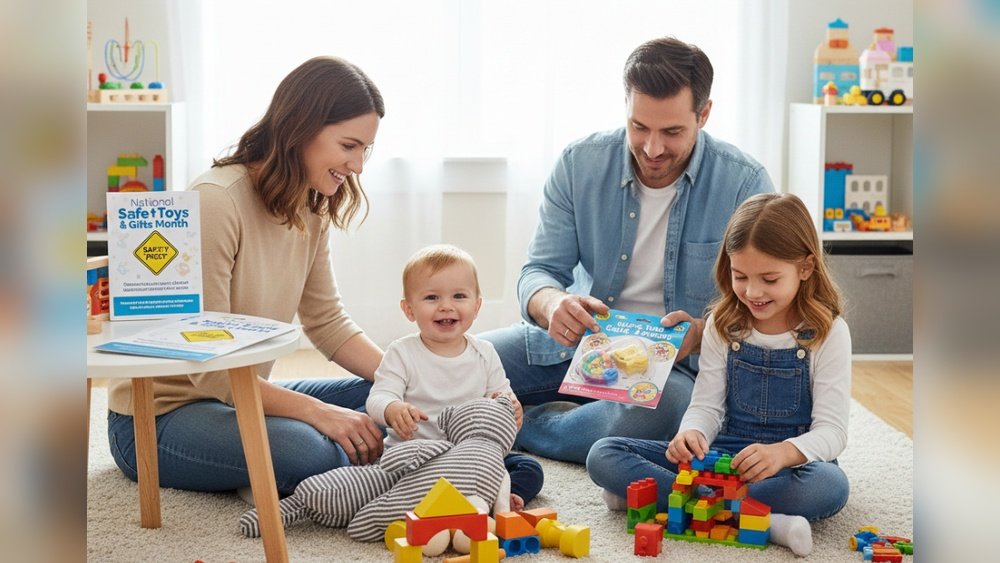
How to Choose Safe Baby Toys isn’t just about picking something cute or fun. It’s about protecting your child from harm and giving them toys that help them grow and learn. Many parents feel confused by all the choices in stores and online.
With so many colors, shapes, and brands, how do you know which toys are safe? The risk is real—each year, thousands of children visit emergency rooms because of unsafe toys. But the good news is, you can learn to spot safe toys, avoid common mistakes, and feel confident about what your child plays with.
This guide explains how to choose safe baby toys step by step. You’ll learn what to check for, which materials are best, and how to read labels. We’ll also look at common dangers and include practical tips to keep your child happy and healthy.
By the end, you’ll be ready to make smart choices—every time you shop.
Why Safe Toys Matter
Babies explore the world with their hands and mouths. Toys are often chewed, thrown, and squeezed. If a toy is not safe, it can cause choking, poisoning, or injury. According to the Consumer Product Safety Commission (CPSC), over 200,000 toy-related injuries are reported in the US every year. Many are preventable.
Safe toys help babies develop skills—like grasping, crawling, and problem-solving. Unsafe toys, on the other hand, can lead to accidents and even lifelong health problems. Safety isn’t just about avoiding injuries. It’s about giving your child a healthy start.
Key Safety Standards For Baby Toys
When shopping, look for toys that meet strict safety standards. In the US, baby toys must follow rules set by the CPSC. Most toys sold in stores have a label showing they meet these standards. Still, not all toys are equal.
Here’s a quick comparison of common safety marks:
| Safety Mark | What It Means | Where to Find |
|---|---|---|
| ASTM F963 | Meets American toy safety rules | Most US toy brands |
| CE | Meets European standards | Toys from Europe |
| CPSC Label | Certified by US government | Packaging or product |
Always check for these marks before buying. If you don’t see any, ask the seller or choose another brand. Avoid toys from unknown sources, especially online.

Material Matters: What Should Toys Be Made Of?
The material of a toy is one of the most important safety factors. Babies put toys in their mouths, so the material must be non-toxic and durable.
Safe Materials
- Wood: Look for smooth, sealed wood with no splinters. Avoid painted wood unless the paint is labeled non-toxic.
- Silicone: Safe for teething, soft, and easy to clean.
- High-quality plastic: BPA-free and phthalate-free plastics are best.
- Organic cotton: Great for soft toys. Make sure it’s labeled organic, not just “cotton.”
Unsafe Materials
Some materials are risky for babies:
- Cheap plastic: Often contains BPA or phthalates, which can harm health.
- Paints or dyes: If not labeled non-toxic, they can contain lead or other dangerous chemicals.
- Metal: Can rust or have sharp edges.
- Stuffing: Avoid toys with loose beads or foam that can leak.
Here’s a quick table comparing safe and unsafe materials:
| Material | Safe for Babies? | Common Uses |
|---|---|---|
| Wood (non-toxic) | Yes | Blocks, rattles |
| Plastic (BPA-free) | Yes | Bath toys, teethers |
| Metal | No | Older kid toys |
| Paint (non-toxic) | Yes | Decorations |
| Paint (unknown) | No | Cheap imports |
Many new parents miss this: Even if a toy is labeled safe, always double-check for small parts, loose pieces, or rough edges.
Age Appropriateness: Matching Toys To Your Child
Safe toys are matched to your child’s age and ability. Babies under 12 months need different toys than toddlers. Most toys have age recommendations on the box. These aren’t just suggestions—they’re based on safety tests.
How To Check Age Recommendations
- Look for “Age 0+” or “For ages 6 months and up” on packaging.
- Avoid toys with small parts for children under 3 years—these are choking hazards.
- Choose simple toys for younger babies: Rattles, teething rings, soft blocks.
- For older babies, look for stacking toys, push toys, or soft balls.
Here’s an example of age-appropriate toy types:
| Age Group | Recommended Toys | Common Risks |
|---|---|---|
| 0–6 months | Soft rattles, teething rings | Small parts, hard edges |
| 6–12 months | Stacking blocks, soft dolls | Loose pieces, batteries |
| 12–24 months | Push toys, shape sorters | Strings, magnets |
One non-obvious insight: Sometimes, toys marketed for older kids are mixed with baby toys in stores. Always check the age label, even if the toy looks safe.

Choking Hazards: What To Avoid
Choking is one of the biggest risks for babies. Small parts, loose buttons, and beads can easily go into a baby’s mouth. The CPSC says anything smaller than 1. 25 inches (about 3 cm) can be a choking hazard.
Tips To Avoid Choking Risks
- Test with a toilet paper roll: If the toy fits inside, it’s too small.
- Avoid toys with detachable parts or batteries.
- Check for loose eyes or noses on stuffed animals.
- Stay away from toys with beads, marbles, or magnets.
- Inspect toys regularly—wear and tear can create new risks.
A common mistake: Parents often forget to check toys after they’ve been used for a while. A toy that was safe when new might become dangerous if parts loosen.
Toxic Chemicals: Reading Labels And Certifications
Babies are sensitive to chemicals. Some toys contain lead, phthalates, or BPA. These chemicals can cause serious health problems, including brain damage and hormone disruption.
How To Spot Toxic Toys
- Check for “BPA-free,” “phthalate-free,” or “lead-free” labels.
- Avoid toys with strong smells—these often have unsafe chemicals.
- Read product descriptions online. If ingredients aren’t listed, don’t buy.
- Look for third-party certifications, like Greenguard or OEKO-TEX.
One insight many parents miss: Imported toys may not meet US standards, even if they look similar. Always check for US certifications.
Durability: Will The Toy Last?
Safe toys are not just about materials—they must be durable. Babies chew, throw, and squeeze toys. Weak toys can break and create new hazards.
How To Check Durability
- Squeeze and twist toys before buying. If it feels flimsy, skip it.
- Choose brands known for strong products.
- Avoid toys with glued parts—these can come apart.
- Look for double-stitched seams on soft toys.
If shopping online, read reviews. Many parents share if a toy broke quickly.
Cleaning And Hygiene
Babies often put toys in their mouths. Clean toys prevent germs and sickness.
Easy-to-clean Toy Types
- Silicone and plastic toys: Can be washed with soap and water.
- Wood toys: Wipe with a damp cloth, avoid soaking.
- Soft toys: Machine washable is best.
Avoid toys that are hard to clean, like those with crevices or electronics that can’t get wet.
Practical Tips For Buying Safe Baby Toys
Here are some simple steps to follow every time you buy a toy:
- Always check safety marks and certifications.
- Read labels for materials and chemicals.
- Match toys to your child’s age and ability.
- Test for choking hazards with a toilet paper roll.
- Inspect for durability and loose parts.
- Choose easy-to-clean toys.
- Buy from trusted brands and stores.
- Avoid toys with batteries for babies.
- Keep receipts in case you need to return unsafe toys.
- Stay updated on product recalls—check the CPSC website regularly.
Many parents miss this: Even trusted brands sometimes recall toys. It’s smart to check for recalls before buying.
Common Mistakes Parents Make
Even careful parents can make mistakes. Here are a few to watch out for:
- Ignoring age recommendations—thinking “my baby is advanced.”
- Not checking for loose parts after several uses.
- Buying toys from unknown online sellers.
- Assuming expensive toys are always safer.
- Forgetting to clean toys regularly.
Remember, safety isn’t just about buying—it’s also about using and maintaining toys.
Where To Buy Safe Baby Toys
The safest places are well-known stores and official brand websites. Avoid street markets or sellers with no reviews. Online shopping is convenient, but check for safety certifications and return policies.
You can find trusted information about toy safety at the Consumer Product Safety Commission.
Real-life Example: Spotting Unsafe Toys
Imagine you see a bright, cute rubber duck online. It’s cheap and has good reviews. But the seller doesn’t list materials or certifications. You ask for more details, but there’s no reply. This is a red flag. Even if the toy looks safe, skip it if you can’t confirm safety marks or materials.
Instead, choose a duck from a known brand that lists “BPA-free” and shows US certifications.
Frequently Asked Questions
What Are The Most Common Toy-related Injuries In Babies?
Choking is the most common injury. Babies can also get cuts from sharp edges or poisoning from toxic materials. Always check toys for small parts and rough surfaces.
How Often Should I Clean Baby Toys?
Clean toys at least once a week. If your baby is sick, clean them daily. Silicone and plastic toys can be washed with soap and water. Soft toys should be machine washed.
Are Secondhand Toys Safe For Babies?
Secondhand toys can be safe if you inspect them carefully. Check for loose parts, missing labels, and wear. Avoid old toys that may have lead paint or unsafe materials.
Can I Trust Online Reviews When Buying Baby Toys?
Reviews can help, but always check for certifications and safety marks yourself. Some sellers fake reviews. Buy from trusted brands and stores.
What Should I Do If A Toy Is Recalled?
Stop using the toy right away. Check the recall notice for instructions. Usually, you can return it for a refund or replacement. Visit the CPSC website for recall information.
Choosing safe baby toys takes effort, but it’s worth it. By checking materials, certifications, and age recommendations, you can give your child toys that help them grow and stay safe. Stay informed, keep checking for recalls, and don’t hesitate to ask questions when shopping.
Your child’s safety is always the most important thing.
Pingback: Best Strollers for Baby | Top 3 Picks for Comfort & Safety
Pingback: Best Organic Toys for Babies | Safe & Eco-Friendly Picks-2026
Pingback: 3 Best Noise for Baby Sleep | Soothing Sounds for Restful Nights
Pingback: How to Disinfect Baby Toys Safely and Effectively-2027