
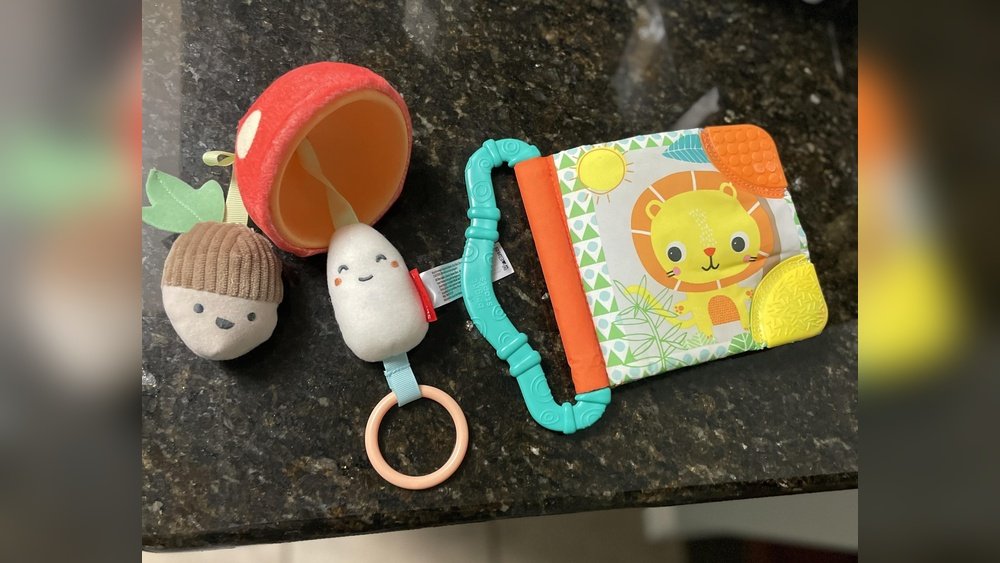
How to Clean Baby Toys: It’s one of the most important steps parents take to keep their child safe. Babies touch everything and often put toys in their mouths, making toys a prime spot for germs, dust, and even mold.
A clean toy doesn’t just look better—it actually helps prevent illness. In this guide, you’ll learn the best ways to clean baby toys, how often to do it, and what mistakes to avoid. Whether you have plush animals, plastic blocks, or teething rings, you’ll find practical tips that make the process easy and effective.
Why Cleaning Baby Toys Matters
Babies have weak immune systems. According to the Centers for Disease Control and Prevention, children under 2 years old catch more infections than older kids. Toys, especially those used for teething, can carry bacteria like Staphylococcus or viruses such as rotavirus. Studies have shown that some germs survive on plastic for up to 24 hours. Cleaning toys regularly is not just about hygiene—it’s a way to protect your child’s health.
How Often Should You Clean Baby Toys?
You don’t need to clean every toy every day, but some toys need more attention than others. Here’s a quick guide:
| Type of Toy | Recommended Cleaning Frequency |
|---|---|
| Teething Toys | Daily or after each use |
| Bath Toys | Weekly and after each bath |
| Plush Toys | Every 1-2 weeks |
| Plastic Toys | Weekly |
| Wooden Toys | Monthly or when visibly dirty |
If your child has been sick, clean all toys they touched immediately. Also, clean toys more often if they’re shared with other children.
Choosing The Right Cleaning Method
Different toys need different cleaning methods. Using the wrong method can ruin the toy or even leave harmful residues. Here are the main methods:
| Cleaning Method | Best For | Not Recommended For |
|---|---|---|
| Soap and Water | Plastic, silicone, rubber | Electronic toys, plush toys |
| Washing Machine | Plush toys, fabric items | Wooden, electronic, delicate toys |
| Disinfectant Wipes | Hard surfaces, plastic | Teething toys, toys for infants |
| Boiling | Silicone, rubber, teething toys | Plastic that melts, painted toys |
| Vinegar Solution | Wooden toys, some plastics | Electronic, metal, plush toys |
Always check the toy’s label or manufacturer’s website for cleaning instructions. If there’s no guidance, test a small area first.
Step-by-step: Cleaning Different Types Of Baby Toys
Cleaning Plastic Toys
Plastic toys are durable and easy to clean. Most can handle soap, water, and even some disinfectants.
- Fill a basin with warm water and add a few drops of mild dish soap.
- Submerge the toys and scrub with a clean cloth or soft brush.
- Rinse thoroughly with clean water.
- Let toys air dry completely before giving them back to your child.
For toys with batteries or electronics, wipe only the surface with a damp cloth. Never submerge these toys.
Cleaning Plush And Fabric Toys
Stuffed animals and cloth books need a gentle touch.
- Check the label for machine-wash instructions. If safe, place in a mesh bag and wash with gentle detergent on a cold setting.
- Air dry or use a dryer on low heat. High heat can damage fibers.
- For surface cleaning, mix water and baby-safe soap. Use a damp cloth to clean, then air dry.
Tip: Avoid bleach or harsh chemicals—they can irritate skin and damage fabric.
Cleaning Teething Toys And Pacifiers
These toys go straight into your baby’s mouth, so cleanliness is crucial.
- Wash with hot, soapy water after each use.
- For extra safety, boil silicone or rubber toys for 5 minutes. This kills most germs.
- Let cool and dry completely before use.
Never use disinfectant wipes or sprays, as residues can be harmful if swallowed.
Cleaning Wooden Toys
Wood is sensitive to moisture and chemicals, so be careful.
- Mix equal parts water and white vinegar for a gentle cleaning solution.
- Wipe the toy with a soft cloth dipped in the solution.
- Dry immediately with a clean towel. Avoid soaking or submerging wooden toys.
Wooden toys can develop mold if left wet. Make sure they’re fully dry before storing.
Cleaning Bath Toys
Bath toys are exposed to water and soap, but they can trap moisture and grow mold.
- Squeeze out all water after each bath.
- Wash weekly with warm, soapy water. Scrub inside holes and crevices.
- Dry thoroughly. Leave toys out of the bathroom when not in use.
Some parents use a vinegar solution monthly to prevent mold.
Cleaning Electronic Toys
Electronics need special care.
- Turn off and remove batteries if possible.
- Wipe with a damp cloth and mild soap. Avoid wetting battery or USB areas.
- Dry with a clean cloth.
If the toy has sticky buttons or visible dirt, use a cotton swab for detailed cleaning.

Disinfecting Baby Toys: When And How
Disinfecting means killing germs, not just cleaning dirt. After illness or playdates, disinfect toys used by multiple children.
- Use baby-safe disinfectant sprays or wipes. Check labels for “non-toxic” or “safe for children.”
- Rinse toys with water after disinfecting if they’re used for teething or mouthing.
According to the American Academy of Pediatrics, avoid bleach except in rare cases. If you use bleach, mix 1 tablespoon in 1 gallon of water, rinse well, and air dry.
Common Mistakes To Avoid
Cleaning baby toys sounds easy, but some mistakes can make toys unsafe or less durable.
- Using harsh chemicals. Bleach, ammonia, or strong disinfectants can leave toxic residues.
- Not drying toys properly. Moisture leads to mold and bacteria growth.
- Forgetting to check manufacturer guidelines. Some toys can warp or break if cleaned incorrectly.
- Over-cleaning. Washing plush toys too often can wear out fabric and fillings.
- Mixing up disinfecting and cleaning. Cleaning removes dirt; disinfecting kills germs. Both are important, but not all toys need both every time.
Practical Tips For Busy Parents
- Keep a cleaning caddy: Store soap, cloths, vinegar, and brushes together for fast cleaning.
- Set a reminder: Use your phone or calendar to schedule cleaning days.
- Rotate toys: Use only a few toys at a time. Store extras and clean before swapping.
- Teach older kids: Show them how to wipe down toys after play.
A non-obvious tip: For plush toys, place them in the freezer overnight after cleaning. This helps kill dust mites—a hidden allergen for sensitive babies.
How To Store Clean Toys
Storing toys correctly keeps them clean longer. Here’s a quick comparison:
| Storage Option | Pros | Cons |
|---|---|---|
| Plastic Bins | Easy to clean, keep dust out | Can trap moisture if wet toys are stored |
| Open Shelves | Good airflow, toys dry faster | Exposed to dust and dirt |
| Fabric Baskets | Gentle on toys, easy to move | Can hold dust, harder to clean |
Always dry toys fully before storing. For toys used outdoors, clean and store separately to avoid bringing dirt inside.
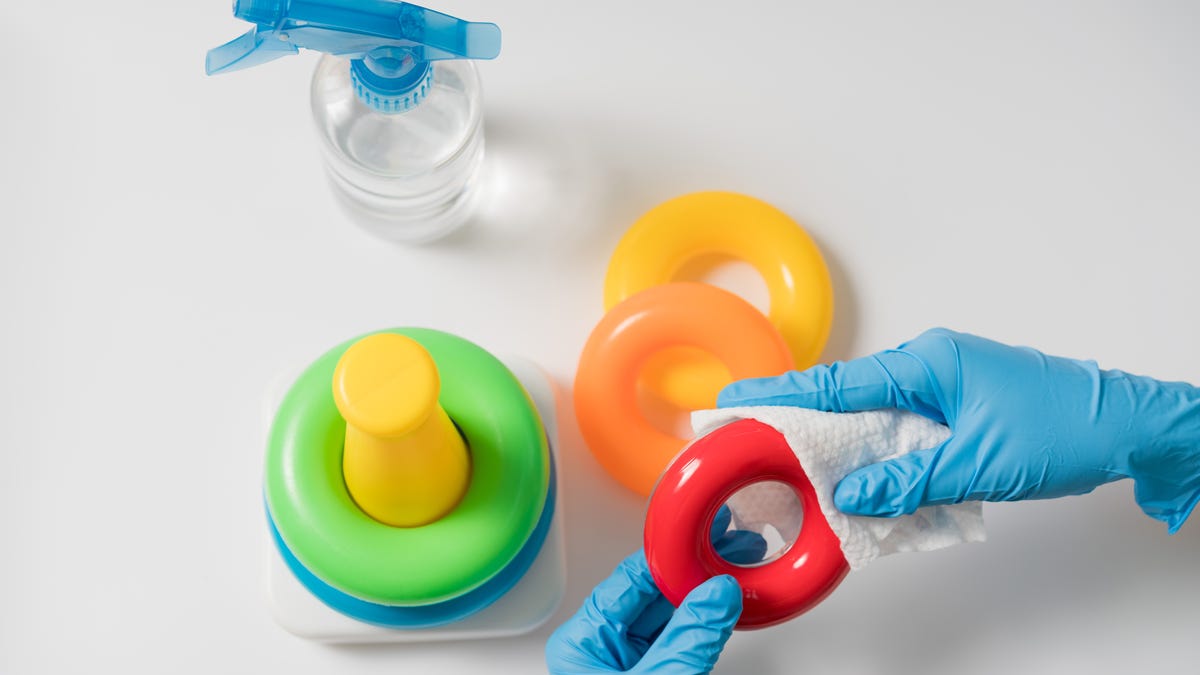
Safe Cleaning Products: What To Use And What To Avoid
Choose cleaners wisely. Babies are sensitive, and some products can cause allergic reactions or poisoning.
- Use mild dish soap, white vinegar, or baby-safe cleaners.
- Avoid bleach unless needed for serious disinfecting.
- Never use alcohol-based wipes on toys that go in the mouth.
Look for products labeled “non-toxic,” “fragrance-free,” and “safe for children. ” The Environmental Working Group rates cleaning products for safety—check their database for trusted brands.
Expert Advice And Latest Research
Many parents wonder if natural cleaners are enough. Studies show that soap and water remove most germs, but disinfectants help after illness. For daily cleaning, stick to mild soap. For deeper cleaning, use baby-safe disinfectants.
A 2022 survey found that 64% of parents cleaned toys weekly, but only 18% disinfected regularly. Most germ transmission comes from toys shared among kids, so focus on disinfecting after playdates.
One overlooked tip: Sunlight can help disinfect toys naturally. Place toys outside for a few hours—UV rays kill some bacteria, but not all.
For more information on safe cleaning, visit CDC Healthy Childcare.

Frequently Asked Questions
How Can I Tell If A Toy Needs Cleaning Or Disinfecting?
If a toy looks dirty, clean it. If your child has been sick, or the toy is shared, disinfect it. Cleaning removes dirt; disinfecting kills germs.
Can I Use Hand Sanitizer To Clean Baby Toys?
No. Hand sanitizer contains alcohol and is not safe for cleaning toys, especially those babies put in their mouth.
Is It Safe To Use Vinegar For All Toys?
Vinegar is safe for most wooden and plastic toys, but not for electronic or plush toys. Avoid using vinegar on metal—it can cause rust.
How Do I Clean Toys That Can’t Be Washed?
Wipe with a damp cloth and mild soap. For extra safety, use baby-safe disinfectant wipes, then rinse or wipe again with water.
What Should I Do If A Toy Grows Mold?
Discard it if possible. If you want to keep it, soak in vinegar solution and scrub thoroughly. Dry fully. Mold can cause allergies, so err on the side of caution.
Cleaning baby toys doesn’t have to be difficult or time-consuming. By following these steps, you protect your child from germs and keep their favorite toys fresh and safe. Remember: a clean toy is a healthy toy, and your effort makes a real difference every day.
Pingback: Best Toys for Teething Babies: Top 3 Picks for Comfort & Fun