
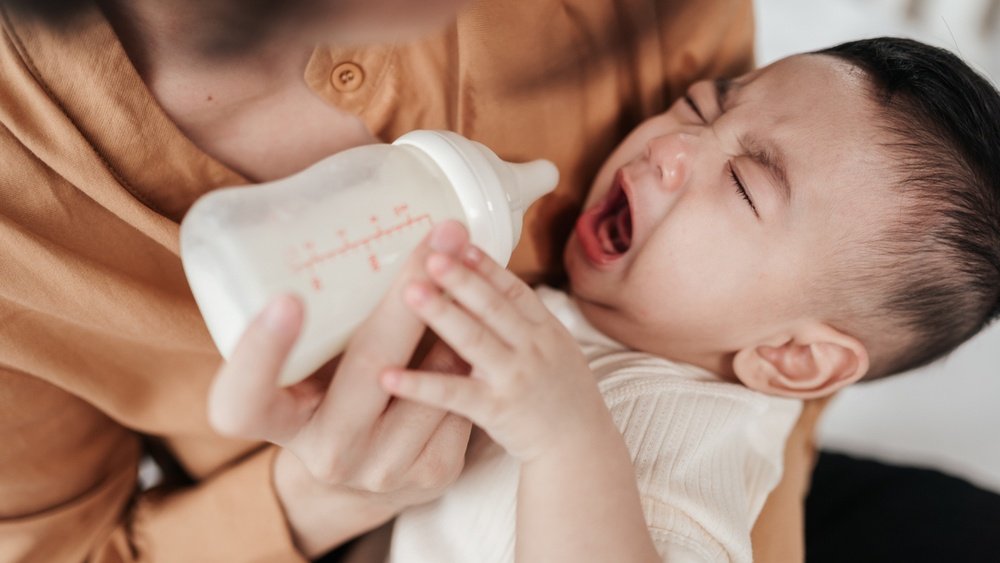
How to Fix Baby Feeding Aversion to eat. You may worry about their health, their growth and their happiness. Feeding aversion is not picky eating; it’s when the baby consistently refuses feeding, cry or turns away. Most parents have no idea how often this happens. Feeding aversion can occur at any age but often starts in the first year. Understanding the why and how to fix it can make mealtimes calmer and help your child thrive.
### Baby feeding aversion: what is it
Feeding aversion is when your baby won’t eat or drink even though they’re hungry or thirsty. This might look like refusing breast or bottle, arching their back, pushing food away, or crying during meals. It’s not like regular hunger cycles or fussiness . Aversion .
Babies who have a feeding aversion may skip feedings or eat very little, which can lead to slow weight gain or nutritional gaps.
Common Symptoms
- Crying or Whining at the table
- Turning head away from bottle, breast, or spoon
- Leaning back or pushing food away
- Eating below age-expected amounts
- Skipping meals or taking longer to feed
Why does feeding aversion occur?
Feeding aversion can be caused by many factors. To solve the problem you must first know the root.
Medical reasons
- Reflux or GERD: Feeding is uncomfortable due to acid reflux pain.
- Food allergies or food intolerance: Babies may avoid foods that make them ill.
- Oral motor issues: Problems with sucking, swallowing or chewing.
- Sickness: Fever, colds or teething can temporarily lower the appetite.
Psychological Reason
- Negative experiences – eating forced, choking or vomiting creates fear.
- Parent anxiety: Eating becomes a struggle as babies pick up on stress.
- Sensory issues. Some babies don’t like how things feel, taste or smell.
Causes from the Environment
- Distractions: TV, loud noises or busy rooms interrupt feedings.
- Routine changes: Changes in travel, nursery or new carers can disrupt eating habits.

How To Overcome Baby Feeding Aversion
Solving feeding aversion is a matter of time and a stepwise approach. You might have to try a few things to see what works for your child.
Step 1: Eliminate Medical Problems
Always begin with medical problems. If your baby experiences pain, vomiting, rashes or slow weight gain, consult your paediatrician. Tests for reflux, allergies or oral motor skills might be needed. Often the first step is to deal with the medical problem.
Step 2: Modify the mealtime environment
Babies feed best in a quiet, safe area. Turn off the TV, your phone, and loud music. Sit comfortably in a chair. Keep the lighting soft. Feed on a schedule so your baby knows what to expect.
Step 3: Identify Your Own Stress
Parents’ stress affects babies. Keep calm and relaxed. If you’re feeling anxious, try deep breathing before you eat. Don’t get frustrated if your baby refuses food.
Step 4: Watch for Your Baby’s Hunger Cues
Let your baby determine when and how much to eat. Don’t force feed. Offer food and watch for signs of hunger, such as reaching for food, sucking noises, interest. If your baby isn’t hungry, wait and try again later.
Step 5: Make Feeding Positive
Establish a positive tone. Smile, talk softly and praise your baby for trying. If your baby refuses, just calmly end the meal and try again later. No penalties or rewards.
Step 6: Gradually Introduce New Foods
Be patient and introduce new foods slowly. Some babies will take many attempts to accept a new taste or texture. Give small amounts and let your baby touch and play with the food.
Step 7: Adopt Responsive Feeding Practices
Responsive feeding is listening to your baby’s cues. Offer food, but don’t push. If your baby pulls away, pause and wait. Let your baby self-feed as much as possible, even if it’s a mess.
Data: Recovery From Feeding Aversion Rates
Feeding aversion is a concern for many parents and they wonder how long it will take to fix. The speed of your recovery will depend on the cause and how quickly you treat it. In a study in the Journal of Paediatric Gastroenterology, most babies improved within 2–4 weeks of changes in the feeding approach.
| Intervention | Average Time to Reclaim | Success Rate |
|---|---|---|
| Medical treatment (reflux, allergy) | 2-6 weeks | 80% |
| Positive behavioural changes (feeding) | 2-4 weeks. | 70% |
| Speech/feeding therapy | 4–8 weeks. | 85% |
Parenting Tips That Really Work
A few practical changes can make feeding easier. Here are some ideas parents often miss:
- Serve smaller portions Too much food can overwhelm babies.
- Let your baby get messy, touching food builds comfort
- Try different utensils: Some babies like spoons, some like fingers.
- Keep a food diary Record what your baby eats and when. Patterns can help you find problems.
- No water during meals but water between meals to prevent filling up.
- Look for teething: Eating can hurt with sore gums.
Comparison of Feeding Methods
There are different kinds of feeding babies. Parents often wonder what is best to feed avoidants. Simple comparison.
| Method | Key Features | Best Suited For |
|---|---|---|
| Spoon feeding traditional | Parent feeds food to baby | Babies at ease with routine |
| Weaning (self-led) | Baby self-feeds with finger foods | Sensory aversions in babies |
| Mixed methods approach | Parent provides both spoon and finger foods | Babies requiring flexibility |

Common Mistakes to Stay Away From
Parents try hard, but some mistakes can make feeding aversion worse.
- Force-feeding: It makes you feel bad.
- Bribing Babies with Candy or Toys: Only for Rewards Babies Might Eat
- Rapid food changes: Babies can get confused by a sudden change.
- Ignoring hunger cues: Forcing feed a child when they are not hungry leads to resistance.
When to Get Professional Help
If your baby continues to resist food after trying these steps it’s time to get some help. Watch for indications such as:
- Weight loss or no weight gain
- Fewer than 3 wet nappies in 24 hours
- Vomiting or loose stools
- Great distress at meal times
A feeding specialist, speech therapist or paediatrician can help find deeper reasons. Many hospitals have feeding clinics for difficult cases.
Data: Aversion vs. Feeding Selective Eating
Feeding aversion is often confused with picky eating by parents. Picky eaters eat some foods and not others. Babies with aversion will resist most attempts to feed them. Here’s a comparison.
| Feature | Food aversion | Selective Eating |
|---|---|---|
| Anorexia | Frequently | sporadic |
| Pain of the soul | Alto | Low: |
| Impact on growth | Potential | Outstanding |
| Range of food | Scarcely any | Limited somewhat. |
Real-world Example: Get Over Your Aversion
Sarah, a mother in Texas, saw her 8-month-old daughter, Lily, begin to arch her back and cry at every meal. She was diagnosed with reflux after seeing her doctor. Lily was better in three weeks with medication and a diet of smaller, more frequent feedings.
Sarah also made a calm feeding place, and stopped pushing Lily to eat. This combination worked. Mealtimes started to be fun again for Lily.

Counterintuitive Insights
A lot of parents miss these things:
- After illness, aversion to feeding may suddenly appear. One bad experience (like choking) can equal weeks of refusal.
- Aversion is often made worse because babies pick up on parental anxiety. Managing your own stress is just as important as changing your approach.
Resources to support
If you need extra help, look for feeding clinics or therapists in your area. Support groups for parents with feeding issues can offer advice and comfort. You can also find reliable information at HealthyChildren.org.
Questions and Answers
### Signs Your Baby Might Have Feeding Aversion
Feeding aversion is evidenced by frequent refusal, distress and eating far less than expected. Babies may look away, cry or arch their back at meal times. If it persists for more than a week and disrupts growth, it is likely a feeding aversion.
Is feeding aversion hazardous?
Yes it can. Babies need food in order to grow and develop. Aversion can cause slow weight gain, dehydration or nutritional gaps. If you notice signs of poor growth, get medical attention.
Can Feeding Aversion Fix Itself?
A mild aversion can be temporary, as might happen after an illness or teething. But persistent aversion is taking active steps and sometimes professional help. Don’t leave it too long.
Should I Force Feed My Infant?
No. Forcing food exacerbates stress and aversion. Responsive feeding is much more effective – offering food and letting your baby decide.
When to Call a Healthcare Professional?
If your baby refuses most feedings, loses weight, has fewer wet nappies, or just seems sick, call your paediatrician. If feeding aversion lasts longer than 2 weeks, physician advice is warranted.
Feeding aversion in your baby requires patience, understanding, and the right approach. By staying calm, looking for cues, and creating positive mealtimes, you can help your child get back to happy eating. If problems persist, professional help is available and most babies respond well to the right support.
Pingback: How to Fix Baby Wood Toys: Easy Repair 10 Tips for Parents
Pingback: When to Start Feeding Baby Food | Best Tips for Parent-2026
Pingback: Best Color Night Light for Sleeping Baby – Top Picks 2024
Pingback: 10 Best Feeding Position for Reflux Baby | My Real Experience
Pingback: Best Strollers for Baby and Toddler | Top Picks 2026
Pingback: Best Baby Spoon for Self Feeding – Top Picks 2026