
When to start feeding baby food is one of the most important decisions parents have to make. There are so many questions about the right age, signs of readiness and what foods to introduce first. There are questions of allergies, nutrition, and safety, too.
This article will help you learn about the best time to start your baby on solid foods, what to feed your baby, and how to make the process easy and safe. With clear explanations, practical examples and expert advice, you’ll know exactly how to begin this new phase of your baby’s life.
Baby’s Readiness for Food
In the first year babies grow very fast. Most babies are ready to start solid foods between 4 and 6 months of age. But age isn’t the only thing. Every baby develops at their own rate. The American Academy of Paediatrics recommends introducing solids at about 6 months. A few babies might be ready a little earlier, but not before 4 months.
A few key signs that your baby is ready are:
- Good head control: Your baby can hold their head up steady.
- Sitting well: They are able to sit with support.
- Interest in food – Your baby looks at you eating or reaches for food.
- No longer push food out with their tongue automatically. Loss of tongue-thrust reflex:
By the age of 6 months most babies will show some or all of these signs. Don’t rush as starting too soon can cause choking, allergies or digestive problems. If you don’t know, ask your paediatrician.
THE RIGHT TIME
It’s important to wait for the right time for your baby’s health. Early introduction of solids can increase the risk of:
- Choking
- Food allergies are immune system reactions that occur suddenly to certain foods. Even the tiniest amount of an allergen can trigger symptoms such as itching, swelling, rashes, vomiting, diarrhoea, or trouble breathing in some cases. In severe instances, this reaction can be life-threatening.
- Dyspepsia
- Obesity in Later Life
babies need to learn how to chew and swallow safely. Their digestive system also needs to grow up enough to handle new food.
Conversely, starting too late can lead to:
- Iron deficiency
- Eating disorders.
- Low growth
After 6 months, breast milk or formula alone may not provide enough nutrients, especially iron. Adding solids helps to fill these gaps and promotes healthy growth.
Which Baby Food To Start With
Start with plain, soft, easily digestible foods. Many parents start with single-grain cereals (e.g., rice or muesli), but vegetables and fruits are also good choices. Here’s a quick look at some common first foods:
| Type of Food | Benefits. | Risks |
|---|---|---|
| Cereal Rice | Bland Iron-fortified | Low fibre, occasionally constipating |
| Muesli | High in fibre, easy on the stomach | Possible gluten intolerance |
| Vegetable Purees | Vitamins, digest easily | Some do not like strong flavours |
| Fruits, Pureed | Sweet, vitamin C | High sugar, may lead to loose stools |
Introduce one new food at a time and wait 3 to 5 days before trying a new one. This will help you identify any allergies or sensitivities.
How to Introduce Baby Food
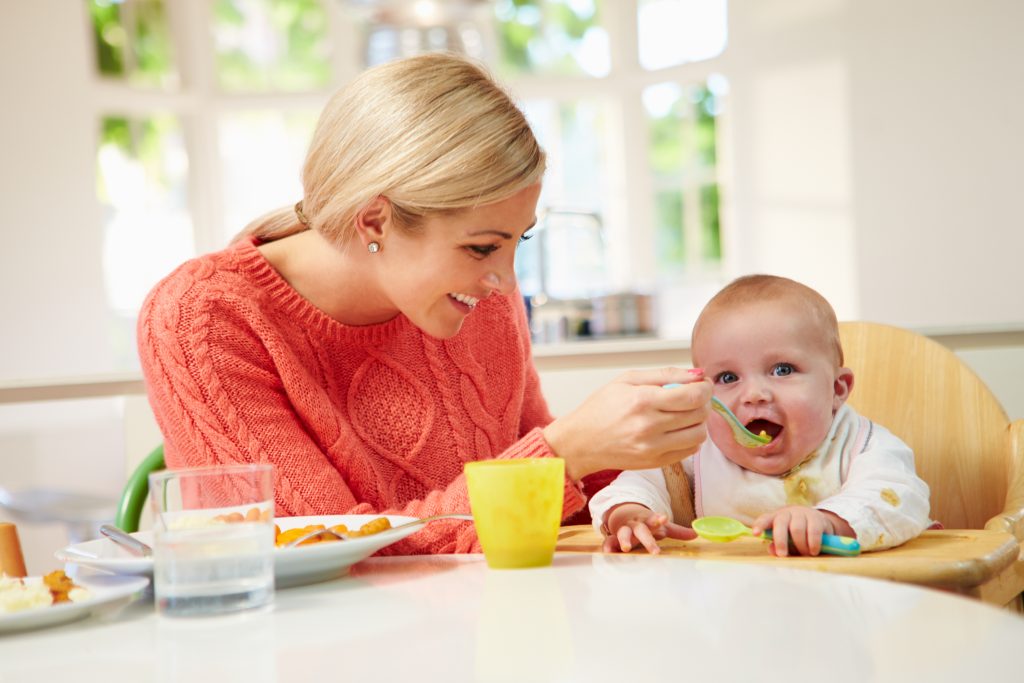
Start with a small amount, say 1-2 teaspoons. When your baby is calm and not too hungry or tired, use a soft-tipped spoon to feed them. Here are the basic steps:
- Put your baby in a high chair or supported seat.
- Give a small spoonful of food.
- Let your baby taste and feel the texture
- Get them not to eat. If they turn away or spit out food, wait and try again another day.
Most babies begin with very little to eat. The thing is practice first, not nutrition. Until about 12 months, breast milk or formula should still be the main food.
How to know if your baby is not ready
Some babies refuse solids at first and that’s normal. But there are signs that your baby is not ready and they include:
- Tongue pushes food away
- Choke or gag
- Can’t get up
If you see these signs wait a week or two and re-try. No worries. All babies learn to eat solids eventually. At their own pace.
Tips for Keeping Baby Food Safe
Safety first when starting solids. Here are some top tips:
- No honey before 12 months (risk of botulism)
- Stay away from choking hazards such as nuts, popcorn and whole grapes
- Before each feeding wash hands and utensils
- Cook and purée foods until they are easy to swallow
- Don’t add sugar or salt to your baby’s food
A glance at everyday choking hazards:
| Food & Dining | Safe Age | Preparation |
|---|---|---|
| Grapes | 12+ months old | Cut into quarters. |
| Nuts | 24+ months | ground finely or as a nut butter |
| Carrots, raw | 12+ months old | Cook and mash |
| Popcorn | 36+ Mo. | Not suitable for toddlers |
Always watch your baby when he is eating. Sitting up straight helps prevent choking.
Feeding After 6 Months
Babies need more than breast milk or formula after 6 months. Iron is particularly important. Babies are born with iron stores but these run out around 6 months. Some good sources of iron are:
- Iron-fortified breakfast cereals
- Meats, pureed
- Beans.
Vitamin C helps absorb iron so offer fruits such as pureed pears or apples with iron rich foods.
Most babies also require more calcium, zinc and vitamin D. Eating a variety of foods from the different food groups provides a balanced diet that helps meet these needs.
Common Errors When Introducing Solids
Starting Solids: Common Mistakes Made by Parents Here are some to avoid:
- Starting too early: Wait until your baby shows signs of readiness.
- Too much food: Start with small portions.
- Skipping breast milk or formula Solids are an addition, not a substitute.
- Multiple foods at once: Sticking with one new food at a time.
- Adding sugar or salt Babies do not need flavourings added.
A second mistake is to overlook allergies. Look for reactions such as rash, vomiting or diarrhoea. If you notice these, stop the new food and call your doctor.
New Foods And Allergies
Many parents worry about food allergies . But new research suggests that some allergenic foods may actually prevent allergies if introduced early. Common allergenic foods are:
- Eggs
- Groundnuts
- “Fish.
- Dairies
Consult your doctor before feeding these foods, especially if there is a family history of allergies. Start with a small amount and look for signs of reaction. If the baby doesn’t mind the food, you can start increasing the amount gradually.
Learn more about allergy prevention at the CDC Infant Nutrition website.
Store Bought Vs Homemade Baby Food
Some parents like to make their own baby food, and some like to buy it in the store. Both can be safe and healthy if they are prepared properly.
| Type | Advantages | Cons: |
|---|---|---|
| Home Made | Freshness, control over ingredients | Takes time, needs to be stored correctly |
| Store bought | Convenient, secure, fortified. | Expensive, limited options |
Also, make your own baby food, use clean utensils, cook food thoroughly, and store leftovers safely. Reheat food only once.
Tips for success in practice
Here are some helpful tips to help you succeed:
- Offer your baby food whenever he or she appears hungry. If they don’t, wait.
- Relax mealtimes. Babies learn best when they’re not stressed.
- Expect mess. Eating is a new skill. Let your baby touch and play with the food.
- Be patient: Some babies take longer to take to solids.
Something most beginners never realise: Variety is important. Babies who experiment with different foods early may be less picky later. Textures matter just as much as flavours. Start with purees, then mashed foods, then soft chunks.
FAQs
When to introduce solid foods to your baby?
Most babies are ready to start solids at about 6 months of age. Look for good head control, sitting with support and interest in food. Some babies might be ready a little earlier – but not before 4 months.
How Much Baby Food To Feed At First?
Begin with 1 to 2 teaspoons 1 or 2 times daily. Gradually increase the amount as your baby becomes accustomed to solids. The primary source of nutrition should be breast milk or formula.
What are the best first foods for a baby?
Iron-fortified cereals, pureed vegetables (carrots or sweet potatoes) and pureed fruits (apples or pears) are good first foods. Introduce one new food at a time, waiting a couple of days before introducing another.
What to Do When Your Baby Refuses to Eat Solid Foods
If your baby won’t eat solids, don’t force them. Try again in a week. Babies need time to get used to new tastes and textures. Keep offering breast milk or formula. Have patience.
How to Avoid Food Allergies in Your Baby?
After 6 months you can introduce allergenic foods like eggs, peanuts, fish but consult your doctor first. Offer a little and watch for reactions. Early introduction may help prevent allergies, but every baby is different.
Introducing baby food is an exciting milestone. Look for signs of readiness, choose the right foods, and follow safety tips to help your baby grow healthy and strong. Remember that each child is unique. Be patient, have fun and celebrate each new bite and smile along the way.