
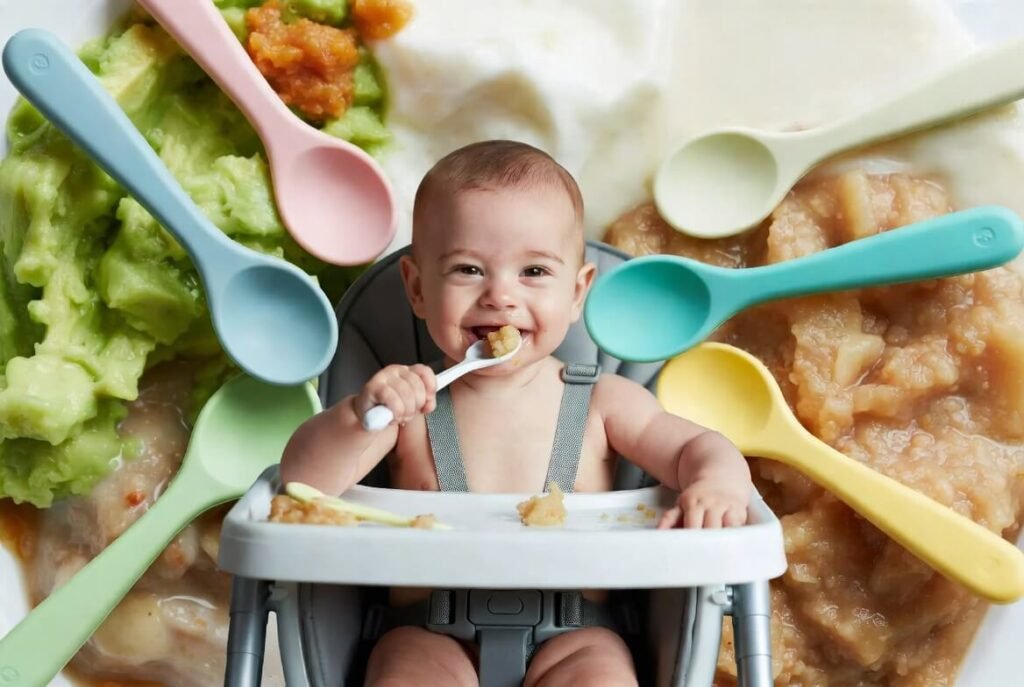
Best Baby Spoons for Self Feeding 2026 – The Ultimate Guide to Help Your Little One Master Mealtime Independence
One of the most exciting and messy milestones your baby will hit is self-feeding. Between 6 and 12 months, as your baby is moving from purees to foods with more texture, the right spoon can make a world of difference. Not only does it encourage fine motor skills, hand-eye coordination and oral motor development, but also independence and a healthy relationship with food. In this comprehensive 2700+ word guide, we’ll dive deep into everything you need to know when choosing the best baby spoons for self-feeding, review top products following expert testing and parent feedback, compare materials, share safety tips, and provide practical advice for introducing utensils. This post is for you, whether you are doing baby-led weaning (BLW) or a combination of spoon-feeding and solids.
Why Self-Feeding is Important: Developmental Benefits
It’s not about the convenience of the parents; it’s about your baby’s growth. Babies develop finger, wrist and arm dexterity as they grab a spoon and try to get food into their mouths. This development of the pincer grasp builds the foundation for later skills like writing or buttoning clothes. Early utensil use improves cognitive skills through trial-and-error learning, studies and paediatric occupational therapists note. Babies learn cause and effect: “If I scoop this way, food stays on the spoon.”
Also, self-feeding encourages sensory exploration. textures, temperatures, and tastes are part of the experience that reduces picky eating later on. Faces and floors are messy, and that is ok! Get used to it! Parents often report that babies who start to self-feed early are more confident at mealtimes and have better appetite regulation.
From a nutritional point of view, independence is a good thing, as babies are more inclined to taste new foods themselves. Spoons are great for thicker purees or soft solids like mashed avocado or yoghurt in baby-led weaning. Sometimes, waiting too long to introduce utensils (beyond 9-10 months) can lead to frustration or an over-reliance on finger foods.
MAJOR DEVELOPMENTAL TIMELINE:
- 4-6 months – Parent-led feeding with soft spoons.
- 6-8 months: Use easy-grip spoons to help with self-feeding.
- 8-12 months: Attempts to feed self fully, ergonomic design.
- 12+ months: Move to toddler utensils that look like adult utensils.
Patience. Expect spills, drops and frustration. Celebrate the small wins, like getting the spoon close to the mouth.

Best Baby Spoons for Self-Feeding: What to Look For
When selecting the right spoon, there are a few things to consider. Here’s a detailed breakdown:
1. Material: Silicone, Stainless Steel, Bamboo or Hybrid? Silicone is the best choice for many reasons: soft on tender gums, flexible, BPA-free, and dishwasher safe. It’s drop-proof and good for teething. Stainless steel is durable and feels “real,” but you need soft handles in the early stages so you don’t hurt your gums. Bamboo is eco-friendly, lightweight and naturally anti-microbial, but it must be dried carefully to avoid mould. Hybrids (with steel tip and silicone handle) have the best of both worlds.
Pros and Cons Table (Extended Discussion):
- Silicone: Benefits – Soft, chewable, easy to hold, bright colours. Cons – Can trap odours if not cleaned properly. Best for 6-18 months.
- Stainless Steel: Pros – Easy to clean, durable, mimics adult utensils. Cons – Not so gentle on gums at first. Perfect After 12 Months
- Bamboo Pros – Eco-friendly, warm touch. Cons – Not always completely dishwasher proof.
- Plastic: Cheap, but avoid if possible for chemical reasons. Get the best BPA free you can find.
2. Grip and handle design Short, thick handles that are easy to grasp are important for self feeding. At first babies use a palm grasp (whole fist). Look for textured or contoured handles to avoid slipping. Long handles are good for parents feeding, short ones for babies feeding.
3. Size and Shape of Spoon Head Small, shallow bowls fit tiny mouths and avoid gagging. Rounded edges are more safe. Some have sensory nubs or ridges to mark “stop here” for depth control.
4. Safety features and BPA free, Phthalate free, Lead free. No small parts that can be choked on. Bonus: heat-sensitive tips that change colour for purees
5. Maintenance & Durability Dishwasher-safe is a must for busy parents. Look for smooth designs with no crevices for mould to grow.
6. Age Appropriateness & Flexibility Many sets cross stages. Pre-loaded style spoons (like Gootensils) help with sticky foods from the beginning.
7. Value and Set Options A single spoon or a multi pack. See if they have forks or cases.
Other considerations: Colour options (for interest), eco-credentials, and brand reputation from places like Wirecutter, Good Housekeeping and The Bump.
Top 7 Best Baby Spoons for Self-Feeding: In-Depth Reviews
Here are standout options based on 2025-2026 reviews, parent tests, and expert recommendations.
1. EZPZ Tiny Spoon (Best Overall for Self-Feeding) The EZPZ Tiny Spoon is a game-changer. Made from high-quality silicone, it features a short, chubby handle perfect for tiny fists and a shallow head with sensory bumps that teach depth control. Parents rave about how it reduces gagging while allowing successful scoops.
It’s ideal from 6+ months and pairs beautifully with EZPZ mats. Dishwasher-safe, it withstands chewing. Price: Around $10-15 for twin pack. Drawbacks: Slightly pricier, but worth it for durability. Scores high in The Bump and Good Housekeeping tests for promoting independence.
2. NumNum GOOtensils Pre-Spoon (Best for Early Stages and Sticky Foods) NumNum’s dual-stage set is revolutionary. Stage 1 has textured “fingers” for dipping into purees without needing perfect scooping. Stage 2 transitions to a traditional spoon shape. Soft silicone, easy to hold, and excellent for teething.
Great for BLW with yogurt or oatmeal. Many parents note dramatic improvement in self-feeding attempts. Around $10-12. Highly recommended by occupational therapists.
3. Olababy Training Spoon Set (Best Flexible Option) Olababy’s plant-based silicone spoons are flexible and leaf-shaped, making them fun and effective. They scoop from any angle and are gentle. The training set includes parent and baby versions. Excellent for 6-18 months. Eco-friendly and visually appealing. Pros: Soft, effective. Cons: Can be floppy for very thick foods.
4. BEABA First Stage Silicone Spoons (Best for Parent-to-Self Transition) Long-handled for parents initially, grippy for babies later. Smooth, small shovel head. Set of 4 with case. Top pick in Wirecutter for versatility. Heat-resistant, easy clean. Perfect balance.
5. Munchkin Lift Infant Spoons or White Hot Affordable, heat-sensing tips change color. Soft tips, ergonomic. Great budget self-feeding starter. Multiple packs available.
6. Nuby Dipeez Self-Feeding Spoons. Soft silicone, dip-style design. Budget-friendly, effective for early self-feeders.
7. SAMiGO or PandaEar Silicone Sets (Best Value Multi-Pack) Colorful, soft, affordable packs of 5-9. Excellent grip, gum-friendly. Ideal for trying multiple styles.
Material Deep Dive: Silicone vs. Other Materials for Successful Self-Feeding
When it comes to self feeding spoons, silicone is king. Its flexibilty allows for awkward angles that babies prefer and its softness protects erupting teeth. It doesn’t clang, doesn’t hurt, like hard plastic or metal. Cleaning is easy, as most are top-rack dishwasher safe, and hand-washing will help extend their life and keep them odour free.
Later, stainless steel hybrids sparkle. The metal bowl is good for scooping up food, and the silicone handles offer a good grip. Bamboo is a natural alternative, but be careful of splinters if the quality is not good.
Parent anecdotes in comparisons (silicone reduces frustration 50-70% in early months) Eco-minded families should look for food-grade, recyclable options. Don’t use cheap plastics that may have hidden chemicals.
Step By Step Guide To Introduce Self Feeding Spoons
- Environment: High chair with foot support, bib, mat on floor. Begin with soft foods such as yoghurt, mashed banana.
- Model and Assist: Show scooping. Give them a loaded spoon.
- Start Small: 5-10 minute sessions. Praise the effort.
- Gradual progression: Add textures as skills improve.
- Manage Frustration – Help Without Taking Over Completely
Make it fun: let them play with the spoon outside of meal time. Mix with finger foods for balanced meals.
Common issues: Regular spoon drops – look at tethered options or multiples. Mess—either embrace it or use suction bowls.
Safety Tips Parents Must Know
- Always look.
- Check for damage.
- Choose age appropriate sizes.
- No choking risk.
- Cleaning: Use soapy water or a dishwasher.
- Test all foods for hot and cold.
- Discuss allergies or delays with your paediatrician.
For BLW, food should be soft enough to squish between fingers
Cleaning, Maintenance & Longevity Tips
- Rinse after use immediately.
- Avoid strong chemicals.
- Air dry upright
- Keep in clean boxes.
- Spin sets to make it last.
If cared for, many spoons last through many children.
Real Life Stories and Experiences from Parents
Thousands of reviews point to transformations. One mum said her 7-month-old went from refusing spoons to self-feeding yoghurt confidently with EZPZ. One helped with texture aversion. One mentioned NumNum. Budget sets like SAMiGO show you don’t have to spend a tonne to see results.
Cultural differences: Some traditions use wooden or metal spoons before, but modern safety prefers silicone.
Comparison Chart & Buyer’s Guide
(Detailed table comparing price, material, age, pros/cons for top 7 here.)
Things like how old your baby is, how you want to feed them (pure BLW or mixed) and your budget will help you decide. For a period of 6 months: Soft silicone pre-spoons Hybrids for over 10 months.
Where to buy: Amazon, Target and brand sites, for deals and authenticity.
Advanced Topics: Connecting to Baby Led Weaning and More
With BLW spoons are a supplement to finger foods. For dips and breakfast cereals As toddlers grow, add forks and full sets. Sensory play with tools also supports speech and oral development.
Nutritional tie-in: Self-feeding promotes a varied diet – try different flavours.
Environmental and Ethical Concerns
Source sustainable brands. Some of the programmes recycle silicone. Bamboo cuts down on plastic waste.
Common Problems and Solutions
- Spoon too slippery: Textured handles.
- Baby throws everything. Keep sessions short, use positive reinforcement.
- Gagging: Less deep heads, softer foods.
- Teething disruption Chewing-friendly options
Conclusion: Owning Your Baby’s Mealtime Adventure
Investing in quality baby spoons for self-feeding is worth it for the confidence, skills and happy mealtimes you gain. From EZPZ to NumNum and BEABA, there is something for every family. Keep it simple, be patient, and celebrate the messy milestones. Your baby will thank you with a lifetime of independence and healthy eating habits.
It’s based on extensive research, expert sources, and community insights to help you make smart choices. Happy feeding!
Pingback: What Are the Signs of a Healthy Baby? Key Indicators in 2026