
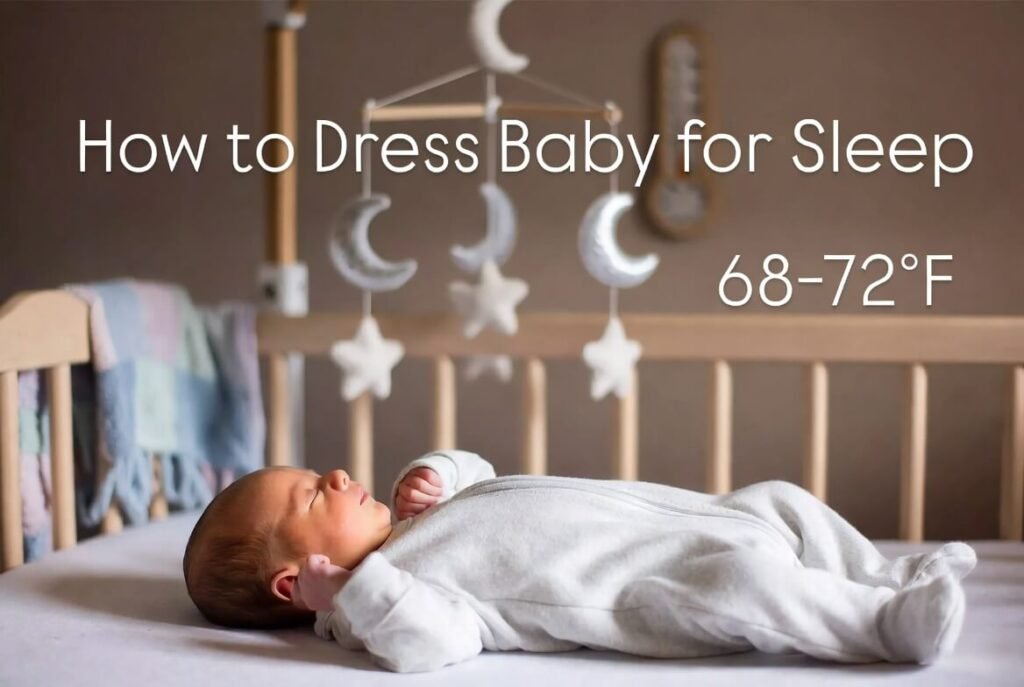
How to Dress Baby for Sleep: The Ultimate Safe Sleep Clothing Guide

All parents want their baby to sleep well and safely through the night. One of the most important, and also most confusing, aspects of dressing a baby for sleep is how to do it. Getting this right will help prevent overheating (a major SIDS risk factor), keep your little one comfy and encourage better sleep for everyone in the house. This comprehensive 2500 word guide will cover everything from AAP guidelines to seasonal tips, age-specific advice and practical checklists.
The science behind why you need the right sleepwear
The temperature control mechanisms are immature in newborns and infants. Their bodies can get too hot or too cold quickly, which both interfere with sleep and increase health risks. Overheating is of particular concern because it has been associated with Sudden Infant Death Syndrome (SIDS) and other sleep-related deaths.
The American Academy of Paediatrics (AAP) recommends that the ideal room temperature for baby sleep is 68–72°F (20–22°C). Dress your baby in only one more layer of clothing than you would wear in the same environment. This simple rule helps prevent overheating and chilling, and promotes safe, uninterrupted sleep.
Benefits of Properly Dressing Baby for Sleep:
- Removes overheating and loose items to reduce SIDS risk.
- • **Improves sleep quality** – comfortable babies fall asleep faster and sleep longer.
- Helps prevent skin irritation from sweat or rough fabrics.
- Smooth transitions (from swaddle to sleep sack)
Cold hands and feet are a concern for many parents. Remember that babies’ limbs will naturally feel cooler. Always check the temperature on the chest or back of the neck to be sure.

This AAP-aligned infographic outlines key safe sleep principles, including clothing and environment recommendations.
AAP & CDC Official Recommendations for Baby Sleep Attire
The AAP’s most recent safe sleep recommendations are clear and evidence-based:
- Always put baby on his or her back to sleep.
- Use a firm, flat sleep surface covered by a fitted sheet only.
- Dress in lightweight and breathable layers or a wearable blanket (sleep sack).
- Keep the cot free of anything loose, including blankets, pillows or toys, until at least 12 months.
- Don’t sleep with hats on inside (they trap heat).
- Avoid weighted blankets, sleepers or swaddles.
The Golden Rule: No more than one extra layer. If a baby is in a t-shirt, the baby may wear a onesie and a light sleeper or sleep sack.
Room-sharing (not bed-sharing) for at least 6 months is also recommended to make it easier to monitor baby’s temperature.
How to Dress Baby for Bed: An Age-by-Age Guide
Newborns (0-3 Months) Babies lose heat fast and swaddling, which mimics the womb and decreases the startle reflex is a good idea. Use a lightweight cotton or muslin swaddlewrap. Underneath: long or short sleeved onesie depending on temperature
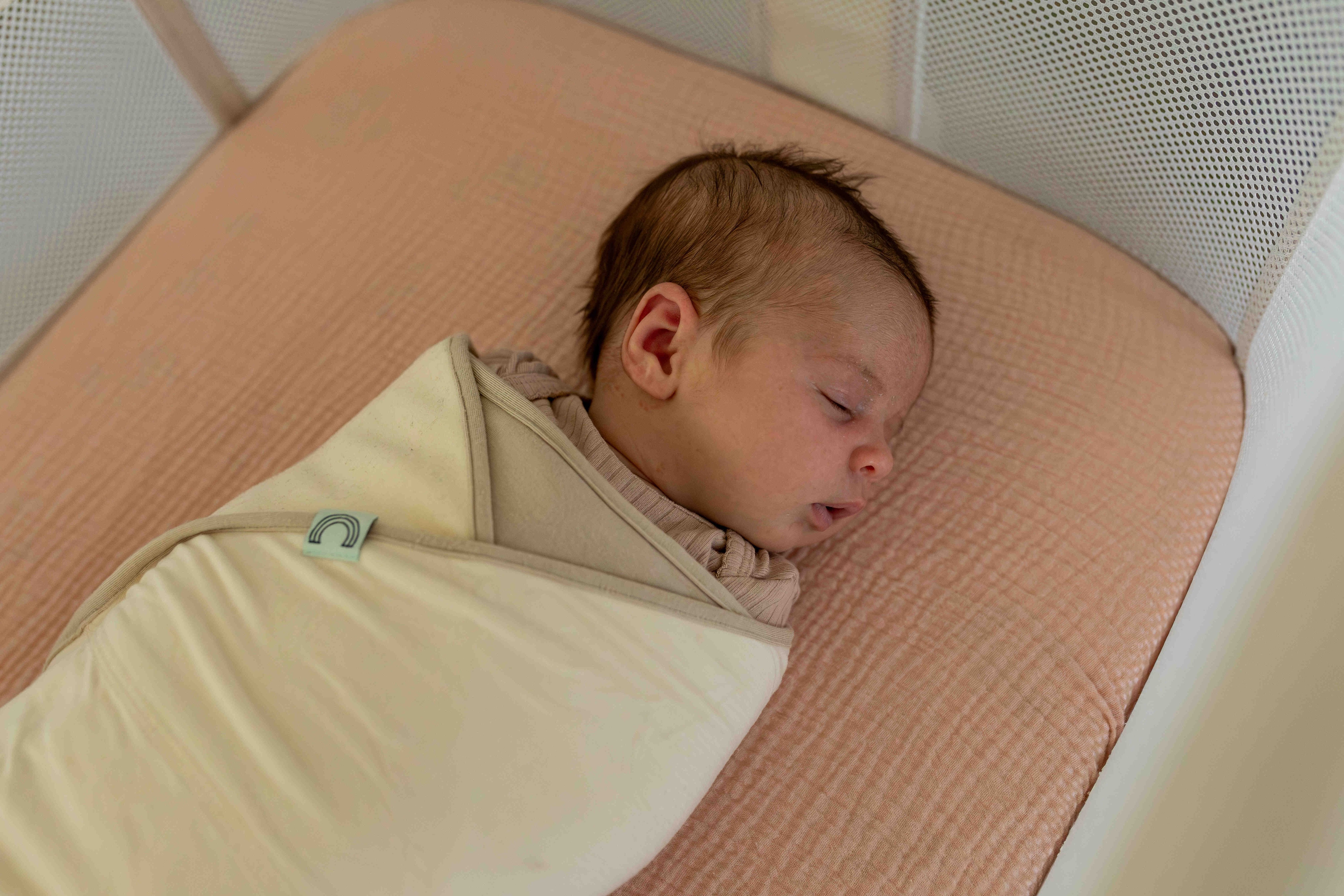
Pick out breathable fabrics. Stop swaddling when your baby begins to roll (typically between 2 and 4 months of age). Arms out sleep sack transition
3 to 6 months rolling starts – switch over to sleep sacks completely. Pair with a cotton onesie or light footed p.j.’s. If the room is cool (below 68 degrees), put on a long-sleeved onesie underneath.
6-12 months: More movement, more kicking. Use 0.5–1.0 TOG sleep sacks in warmer months and 1.0–2.5 TOG in cooler months. Footed pyjamas are good for babies who are crawling.
12+ Months Later (2) Lightweight blankets can be introduced around 12 months but many toddlers still prefer sleep sacks for security. Add layers of pyjamas as needed.
Choosing the Right Fabrics and Types of Sleepwear
Premium Materials:
- Cotton – Comfortable, airy, cheap, good for all seasons.
- Bamboo – Naturally temperature regulating, moisture wicking, anti-bacterial
- Muslin: Light and breezy for hot weather or new babies.
- Merino wool – Perfect for colder climates (regulates temperature beautifully).
- Avoid synthetic fleece, unless it’s a lightweight, breathable sleep sack.
Sleepwear Choices:
- Onesies – Short or long sleeved basic layer.
- Footed Pyjamas- Convenient, Keeps feet warm without socks (socks can slip off and become hazards).
- Sleep Sacks/Wearable Blankets – The safest choice. See TOG ratings. Zipper or snap styles.
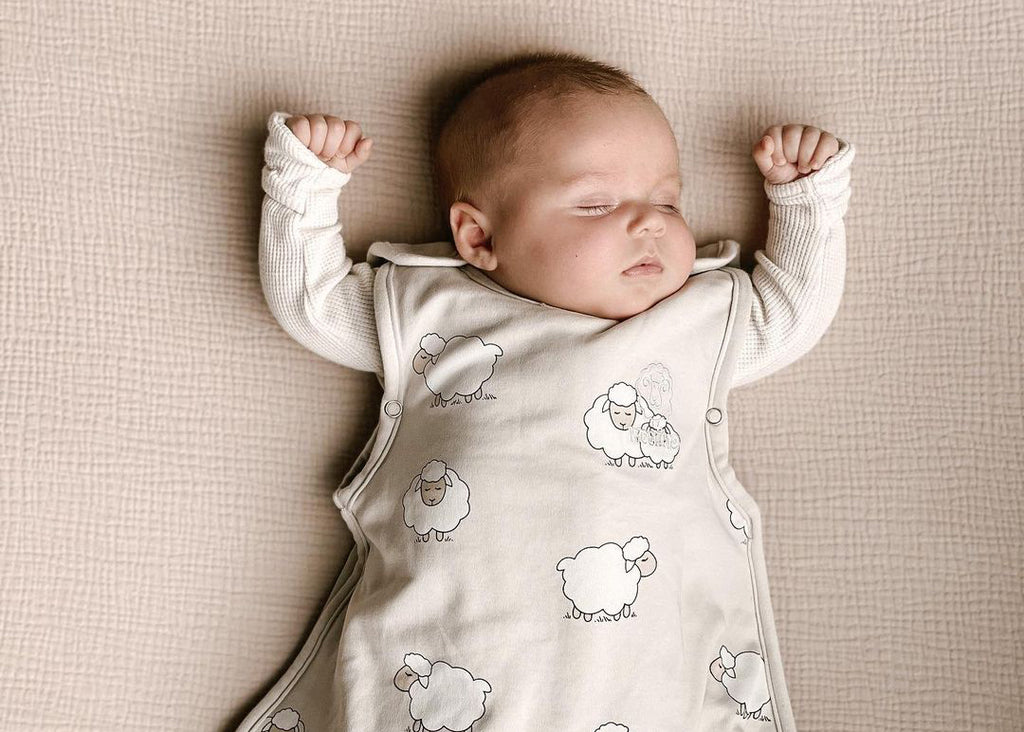
Sleep sacks are warm without the risk of covering the face. They come in a range of weights and styles.
Seasonal Dressing Tactics
Summer (Hot Weather)
- Room over 75 degrees: Short sleeve onesie or just a diaper + light sleep sack (0.5 TOG)
- Use fans or air conditioning. A light quality of muslin is better.
Winter (Colder Weather):
- 68-72 degrees in the room: Long sleeve onesie + medium sleep sack (1.0-2.5 TOG)
- You can add a light cardigan or footed sleeper if you need to, but never too much.
- Humidifiers help prevent the dry air that makes rooms feel colder.
Spring and Fall Transitions:
- Bring several light layers and change them up from night to night depending on the temperature.
How To Tell If Baby Is Too Hot Or Too Cold
Signs of Overheating
- Sweaty scalp or chest
- Rosy cheeks
- Breathing fast
- Rash, heat spots
Signs You Are Too Cold:
- Cold chest/back
- Fussiness or waking up often
- Blue hands/feet (more than usual)
Quick Test: Touch the back of the neck or the chest. It should feel warm and nice, like your own skin. Hands and feet aren’t reliable indicators.
TOG Ratings 101: Your New Best Friend
TOG (Thermal Overall Grade) is a measure of warmth:
- 0.5 TOG – Warm rooms, summer.
- 1.0 TOG — Typical all-year use.
- 2.5 TOG – Cold rooms, or winter.
Many premium brands (Woolino, Halo, etc.) clearly label TOG. This removes the guesswork from layering.
Common Mistakes Parents Make (And How to Avoid Them)
- Over-dressing – too many layers or heavy blankets.
- Wearing hats to bed raises the risk of overheating.
- Loose clothing with strings/decorations – Risk of choking or entanglement.
- Ignoring room temperature – Always use a thermometer.
- Waiting too long to switch swaddles – Danger of rolling while swaddled.
Swaddle to Sleep Sack Transition
When rolling begins, at about 8 to 12 weeks:
- For naps, start with arms-out sleep sacks.
- Use a gradual approach or use products with swaddle transition features.
- Stick to a regular bedtime routine to make the transition easier.
Arms free for self-soothing helps many babies sleep better.
Economical Versus Premium Options
You don’t require costly brands. Target, Carter’s and Amazon Basics are okay as long as they meet the safety standards. Watch for:
- Tight necks and armholes
- No loose ends
- Easily accessible Nappies (bottom zippers are awesome)
Invest in 2-3 good sleep sacks that grow with the baby – they last longer than regular pyjamas.
Making the Ideal Sleep Environment Past Clothing
- noise machine white
- Blackout out curtains
- Bedtime routine – bath, feed, dress for sleep, story
- Pacifier (if needed)
- Sharing a room for the first 6 to 12 months.
Real Stories from Parents and Advice from Experts
Many parents report that switching to proper sleep sacks made a huge difference in sleep. One mum said: ‘Once we stopped over-layering and used a 1.0 TOG sack, our baby went from waking up every 2 hours to sleeping 6-7 hour stretches’.
Paediatricians stress consistency: Dress baby the same way every night so they associate the clothing with bedtime.
Practical Nightly Checklist
- Check the room temperature
- Know your comfort level
- Layer appropriately (max 1 more layer)
- Sleep sack for safety
- A fast chest check as we leave the room
- Adjust as required during night feeds
FAQs: Dressing a Baby for Bed
Q: Can my baby sleep in socks? A: Generally not required. Better footed pyjamas. Loose socks are dangerous and can slip off.
Q: What if my baby develops a fever? A: Wear lighter clothing and contact your paediatrician immediately. Don’t bundle a sick baby up.
Q: How many sleep sacks should I have? A: At least 3-4 for rotation and different temperature.
Q: How long can you use the blankets for? Q: Yes, light ones tucked in tight, but many families use sleep sacks still.
The long-term benefits of good sleepwear habits
Teaching your child how to dress for sleep builds good habits for toddlerhood and beyond. Good sleep for children means they are better able to regulate themselves and have better cognitive skills.
Conclusion: Dress Smart for Better, Safer Sleep
It doesn’t have to be complicated to dress your baby for sleep. Follow the AAP’s rule of one extra layer, use breathable fabrics, sleep sacks and don’t put anything in the cot. Discover how to dress baby for sleep to reduce risks, improve rest, and enjoy more peaceful nights.
Pingback: What Do I Need for a Newborn: Best Baby Checklist 2026