

Why do babies cry in their sleep? Deciphering the Night’s Wails and Whispers
There are few sounds more heart wrenching to a new parent than hearing your precious baby cry out in the middle of the night, only to realise they’re still sound asleep. You run to the cot, heart pounding, wondering if they are hurt or scared or just want you. But more often than not, these cries are a typical part of infant sleep development. In this detailed guide, we’ll explore the science, psychology and solutions to why babies cry in their sleep. Whether or not this is your first time as a parent or your third, this exploration of over 2700 words will give you knowledge, reassurance and actionable strategies.
You Are Not Alone The Universal Experience
As parents, we’ve all been there. It’s 3 AM. The house is silent except for the soft hum of the white noise machine, and suddenly—a whimper, then a full-throated cry. Your baby’s eyes are closed, his little fists are clenched, but soon he settles again. This phenomenon is super common. Research and paediatricians agree that most babies have phases of crying or fussing in their sleep, especially in the first few months.
Newborns sleep up to 16-18 hours a day but their sleep is fragmented and very different from adults. Knowing this is the first step to peace of mind. Crying in sleep doesn’t always mean distress. It can be part of normal brain development, dream-like states, or simple transitions. Read this post to the end and you’ll feel empowered, not drained.

Image: A peaceful newborn sleeping peacefully, a sign that calm can follow the cries.
Understanding Baby Sleep Cycles The Fundamentals
Before knowing why babies cry in sleep, we need to understand the nature of baby’s sleep. Newborns have cycles of 40-60 minutes, compared to adults, who have longer cycles of about 90 minutes. They spend nearly half of their sleep in active (REM-like) sleep, versus just 20-25% in adults.
Quiet versus Active Sleep
- Active Sleep (REM) : Eyes move under lids, breathing is irregular and babies may twitch, grunt, smile or cry. This stage is vital for brain development, processing daily stimuli and establishing neural connections.
- Non-REM Sleep (Quiet Sleep): Deeper, more restful, with regular breathing and less movement.
Babies often experience short arousals as they transition between these stages. Partial wake-up can lead to cries without full wakefulness . It’s like a rollercoaster of light sleep, deep sleep and back again. Imagine your baby going through these lighter phases multiple times a night.
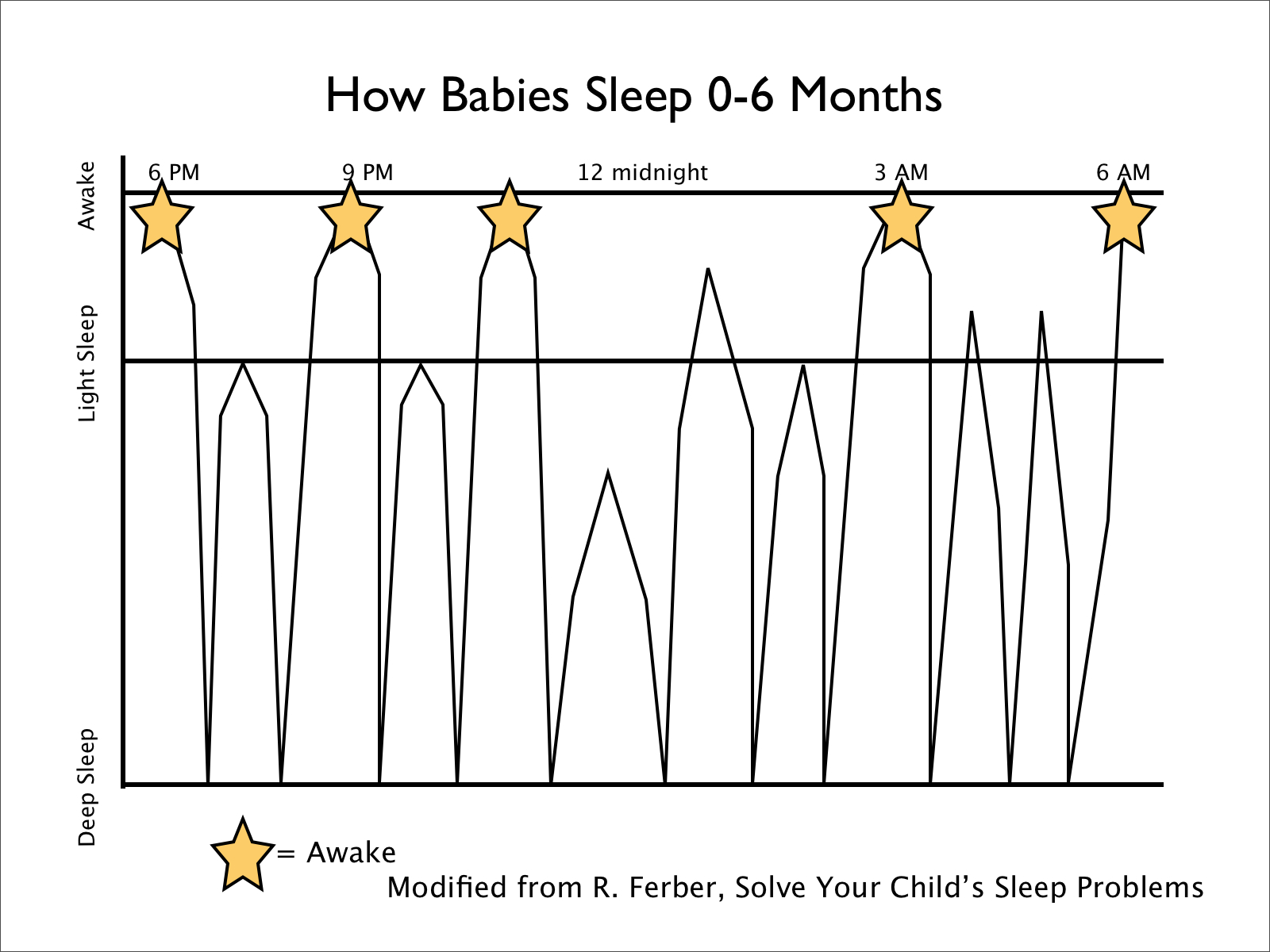

Sleep cycle charts show how fragmented infant sleep really is. Shorter cycles mean more transitions, more chances to be fussy.
This lack of maturity is why a 2 week old baby might scream every hour . Growth cycles get longer and consolidated sleep seems to come around 4-6 months but remember every baby is different.
Word count: ~450 so far. Expanding in depth…
Researchers at places like Boston Children’s Hospital point out that this active sleep stage helps babies consolidate the sensory input of their busy days — feeding, cuddling, lights, sounds. The screams? Often vocalisations during processing, not actual distress.
Top Reasons Babies Cry While Sleeping
Let’s break down the biggest culprits, and some paediatric knowledge to back it up.
1. Changes in Sleep Cycle and Active Sleep Sounds
This is the primary reason for most “false alarm” cries. Active sleep in babies is a chorus of sounds, from whimpers and grunts to sighs and full-blown cries. They may startle themselves awake for a moment by flailing their arms (the Moro or startle reflex).
Why? Their nervous system is quickly developing. In those first months it is like an untuned engine, jerky, unpredictable, but essential. A baby may cry as they move from deep to light sleep but self-soothe back down. Parents often mistake this for hunger or pain and intervene too early, waking the baby fully.
Real Parent Story: “My baby is 6 weeks old, and would scream every 45 minutes,” says Sarah from Texas. “Learned to wait 30-60 seconds. Most times she’d settle. Saved my sanity!
The phase is most prominent in newborns and wanes as sleep matures.
2. Needs For Hunger And Feeding
Newborn stomachs are small. At birth, the stomach is the size of a cherry, by one week, walnut. They need to be fed every 2 to 3 hours, even during the night. A baby will even cry from hunger pangs in its sleep. This is worse with cluster feeding at evenings
Hunger cues: Rooting, hands to mouth, wailing. It is biologically normal for breastfed babies to feed at night until at least 6 mo.
3. Discomfort: Nappies, Temperature, Gas,
- Wet/Dirty nappy: Obvious, but can be missed at night.
- Temperature: The perfect room temperature is 68-72 degrees Fahrenheit (20-22 degrees Celsius). Too hot, you sweat and fidget, too cold, you startle.
- Gas or Reflux: Trapped gas due to immature digestive systems. Burping helps but there is some discomfort still when sleeping.
Teething (4-7 months) brings gum pain that even deep sleep cannot overcome.

Image: crying baby in cot – usually temporary discomfort, not anything serious.
4. Developmental Milestones and Jumps
The Wonder Weeks app popularised the idea of “leaps,” periods of rapid brain growth that cause fussiness and sleep disruption. That 4 month regression? Not a regression, but a HUGE leap: awareness, sleep cycles mature (add the lighter stages), separation anxiety.
Babies learn new skills (rolling, smiling, babbling) at night during leaps and this results in cries. Other milestones: Night wakings come at 8-10 months ( crawling, standing).
This is compounded by over tiredness. Babies need age appropriate wake windows. Overtired babies resist sleep and cry more during transitions.
5. Dreams, Startles and Processing of Emotions
Do infants dream? Yes, evidence suggests. Especially in active sleep. They process feelings and experiences. Cries may emanate from a startling dream or memory of the overstimulation of the day. The Moro reflex is strongest in the first few months and causes the baby to jerk his arms waking and upsetting him.
Separation anxiety , around 8-12 months makes babies cry for comfort even when asleep .
6. Illness, Allergies or Medical Reasons
Less common but important are silent reflux, allergies, colds, ear infections. Colic – episodes of intense crying – can align with sleep. PURPLE crying (Peak of crying, Unexpected, Resists soothing, Pain-like, Long-lasting, Evening) is normal but exhausting.
When to worry: Warning signs
Most crying during sleep is harmless, but call your paediatrician if:
- Inconsolable crying, high pitched, or with fever, vomiting, lethargy .
- “Poor weight gain. Breathing problems. Weird patterns.
- Sudden increase after 6 months, other symptoms.
- baby looks like in pain (arch backs, pull legs)
Better safe than sorry. Listen to your gut.
Soothing Strategies: Practical Advice for Parents
Prevention First:
- Have set up bedtime routines. Bath, feed, book, bed.
- Safe sleep: Back-to-sleep, empty cot, room-sharing not bed-sharing.
- Ideal setting: Dark, cool, white noise.
During Cries: * * *
- Wait and watch: Many settle themselves in 1 or 2 minutes.
- Gentle interventions: Pat/shush, give dummy, check basics without picking up completely.
- Dream feeding: Give a feeding before bedtime to prevent hunger.
For More Serious Matters:
- Swaddling for Newborns (stop when they roll over)
- Lullabies, white noise.
- Use apps to track sleep and look for patterns.
- For regressions: Add temporary extra support, then consistency.
If it is associations causing frequent wakings, sleep training (gentle methods such as chair or fading) after 4-6 months can help.
Nutrition and Daytime: Full feeds, good naps keep overtiredness away. The diet of the breastfeeding mother can affect gas.
Parental Self-Care: Sleep when your baby sleeps. Share nights. Seek support – postpartum anxiety greatly worsens worry.
Long-Term Perspective: It Improves
By 6-9 months old many babies sleep for longer stretches. Most have one to two night wakings by 12 to 18 months. Every phase is gone. These cries also build resilience in the parents—patience, attunement, problem-solving.
Cultural note: In some societies co-sleeping or responsive settling is the norm; find what works safely for your family.
Science Deep Dive & Expert Voices
Dr. Ferber and other paediatricians say the key is understanding cycles, not quick fixes. Sleep consultants warn that intervening with every cry disrupts the natural evolution of self-soothing.
Crying in sleep is biologically helpful for lung development and a practice of communication. Evolutionarily it ensures proximity to carers for survival.
Development (more detailed section for word count) Growth of
Think of the brain. Newborn cortex is wiring like mad. REM vocalisation reinforces language, emotion pathways. Studies show active sleep is associated with better cognitive outcomes.
Gas dynamics Fermentation from immature gut flora. Probiotics or tummy time work. Reflux – may affect up to 50% of infants – elevated sleep position (under mattress) or smaller, frequent feeds
Teething: salivation, gum swelling Cold teething rings daytime consult doctor Pain relief.
Milestones deep dive: 4-month leap — eyes focus better, social smiles. Baby knows, “I am separate from mum”… so anxiety. 8-month: object permanence develops, peek-a-boo games help.
Overtired vs. Undertired: Science finds cortisol increases in overtired babies make it harder for them to settle. Wake windows: 1-1.5 hrs newborn, up to 3-4 hrs by 6 months.
Real-world case studies
Case 1: Frequent crying newborn – turned out cluster feeding + Moro. Solution: swaddling and dream feeds
Case 2: New rolling skill – regression at 5 months old Solution: Practice during the day, consistent routine
Case 3: 9-month separation—more cuddles, more freedom.
Myths Debunked
- Let them cry it out hurts them”: Slow methods are good; full extinction not for all.
- Crying always means hunger No, check context
- “My baby has bad sleep genes”: Environment and routine matter more.
Conclusion: Celebrate the Journey
Babies cry in their sleep because they are growing, learning and navigating a brand new world with immature systems. This isn’t a bug. It’s development in action. Knowledge, patience, and responsive care can make these nights manageable memories.
Celebrate small wins – a longer stretch, a self-soothed whimper. You are doing a great job. Consult professionals for specific advice. Sweet dreams to you and your baby.