
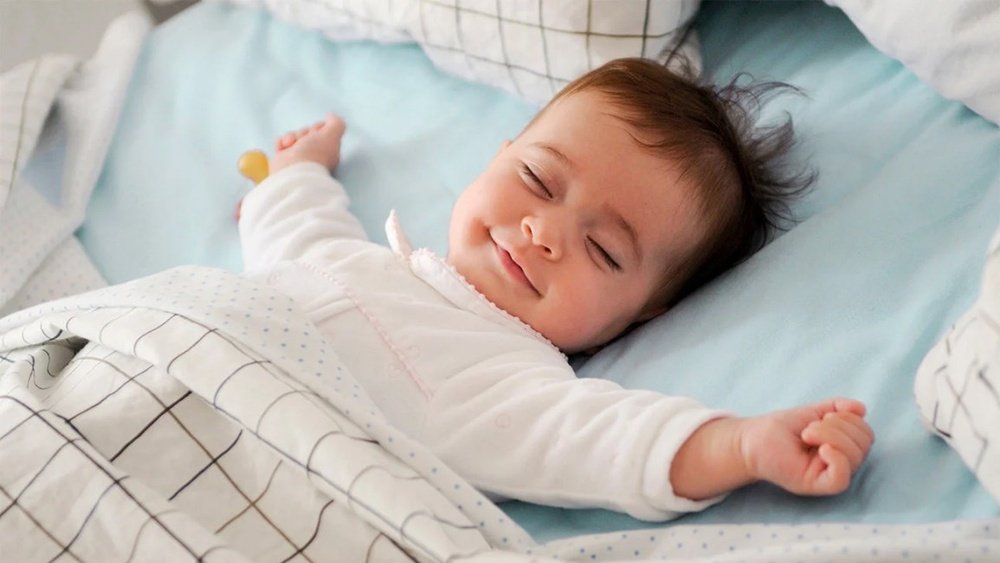
When you bring a newborn home, sleep safety is one of your biggest concerns. You want your baby to feel comfortable, but you also want to avoid risks. Many parents wonder: When can baby sleep with blanket safely? It’s a simple question, but the answer could make a real difference to your child’s health.
Let’s dive into the facts, expert advice, and hidden details every parent should know before adding a blanket to your baby’s sleep routine.
Why Blankets Are Unsafe For Young Babies
You might think a soft blanket means comfort, but for infants, it can be dangerous. Babies under 12 months don’t have the muscle control to move things away from their face. If a blanket covers their nose or mouth, it can cause suffocation or overheating.
The American Academy of Pediatrics (AAP) says that loose bedding is a leading cause of Sudden Infant Death Syndrome (SIDS). In the US, about 3,400 sudden unexpected infant deaths occur each year, and unsafe sleep environments are a major factor.
Here’s a quick look at why blankets pose risks for infants:
| Risk | Explanation |
|---|---|
| Suffocation | Blanket covers baby’s face, blocking airways |
| Strangulation | Loose ends wrap around neck or limbs |
| Overheating | Baby cannot remove blanket, increasing body temperature |
The Right Age To Introduce A Blanket
Most experts agree: wait until your baby is at least 12 months old before using a blanket in the crib. Some organizations suggest waiting until 18 months to be extra cautious. At this age, babies can usually roll over, push objects away, and have better head and neck control.
Still, not all babies develop at the same pace. If your child was born premature or has developmental delays, talk to your pediatrician before introducing any bedding.
Let’s compare safe sleep practices by age:
| Age | Blanket Safe? | Recommended Sleepwear |
|---|---|---|
| 0-6 months | No | Sleep sack, onesie, swaddle (arms out after rolling) |
| 6-12 months | No | Wearable blanket, footed pajamas |
| 12-18+ months | Yes (if child is developmentally ready) | Thin, lightweight blanket |
Safe Alternatives To Blankets
Babies still need warmth, but there are safer ways than using loose bedding. Consider these options:
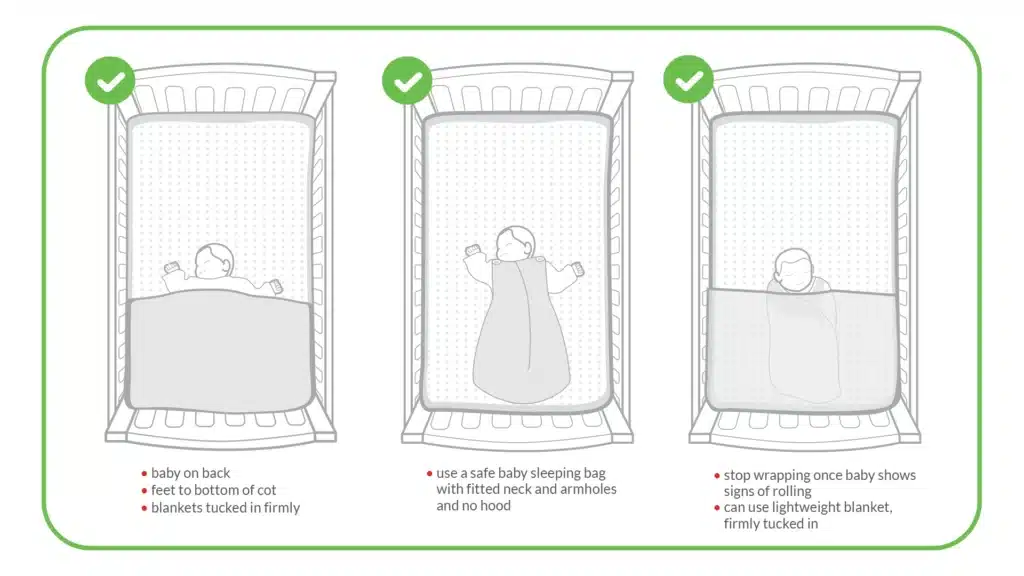
- Wearable blankets (sleep sacks): These zip-up sacks keep your baby warm without loose fabric.
- Footed pajamas: Soft, one-piece outfits cover your child from head to toe.
- Layered clothing: Add or remove layers based on room temperature.
- Swaddles: For newborns, swaddling can help with sleep, but stop once your baby can roll over.
A good room temperature for sleep is between 68°F and 72°F (20°C to 22°C). Use a fan or adjust clothing to keep your baby comfortable.
How To Introduce A Blanket Safely
Once your baby is ready (usually after 12 months), you can add a blanket to the crib. Here’s how to do it safely:
- Choose the right size: Use a small, lightweight blanket that can’t wrap around your child’s head.
- Skip thick bedding: Avoid quilts, comforters, or anything fluffy.
- Tuck the blanket: Place it no higher than your baby’s chest and tuck the ends under the mattress.
- Monitor your child: Watch how your child moves with the blanket for the first few nights.
Here’s a quick comparison of blanket types for toddlers:
| Type | Pros | Cons |
|---|---|---|
| Lightweight cotton blanket | Breathable, easy to wash | Less warm in cold rooms |
| Fleece blanket | Warm, soft | Can cause overheating |
| Quilt/comforter | Very warm | Too heavy and risky for toddlers |

Common Mistakes Parents Make
Even careful parents can make errors. Here are some to avoid:
- Using blankets before 1 year old
- Adding stuffed toys or pillows to the crib
- Not checking room temperature
- Choosing thick or weighted blankets
- Letting the blanket cover the baby’s head
Remember, just because a product is sold for babies doesn’t mean it’s safe. Always look for recommendations from trusted sources like the AAP.
Why Waiting Matters: Hidden Risks
Many parents are surprised to learn that even supervised naps can be risky with blankets. Babies can get tangled in loose bedding in just a few minutes. Also, overheating is a common but overlooked danger. A baby who is too hot is at higher risk for SIDS.
Another detail: older siblings may want to share their blanket with a baby, but this should be avoided until the baby is old enough and the sleep space is safe.
Real-life Example
Sarah, a new mom, thought her 8-month-old would sleep better with a soft blanket. One morning, she found the blanket over her daughter’s face. Luckily, nothing happened, but it was a wake-up call. After talking to her doctor, she switched to a sleep sack and felt much safer.
Stories like Sarah’s are more common than you think. It’s always better to wait than risk your baby’s safety.
Final Thoughts
Knowing when can baby sleep with blanket gives you confidence as a parent. The safest approach is to avoid blankets for the first year and use alternatives like sleep sacks or layered clothing. Once your child is ready, introduce a lightweight, small blanket with care.
If you ever feel unsure, reach out to your pediatrician. Your baby’s safety is worth taking extra steps.
For more on safe sleep, visit the American Academy of Pediatrics.

Frequently Asked Questions
When Is It Safe For My Baby To Sleep With A Blanket?
Most experts say after 12 months. But always check your child’s development before adding bedding.
What Type Of Blanket Is Safest For A Toddler?
A lightweight, breathable cotton blanket is safest. Avoid heavy or thick options.
Can I Use A Sleep Sack Instead Of A Blanket?
Yes. Sleep sacks are a safer alternative for babies under 1 year.
Do Weighted Blankets Help My Baby Sleep Better?
No. Weighted blankets are not safe for babies or toddlers. They can increase the risk of suffocation.
Is It Safe To Use Blankets For Supervised Naps?
No. Blankets can be risky even during naps. Babies can get tangled quickly, so avoid blankets until your child is old enough.