
Why Do Babies Smile In Their Sleep
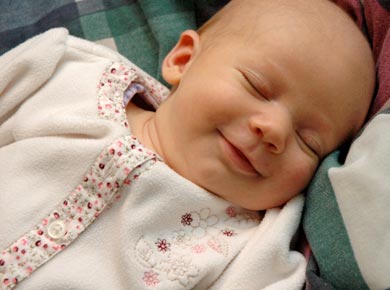
Watching a baby smile during sleep is a magical moment for any parent or caregiver. These tiny grins can appear suddenly, often when the baby is deep in slumber. It raises an interesting question: Why do babies smile in their sleep? Is it just a reflex, or do babies really dream? Science offers some fascinating insights, and understanding these can help you feel more connected to your child’s early development. Let’s explore what causes these sleepy smiles, the stages of sleep, and the deeper meanings behind them.
What Makes Babies Smile During Sleep?
Babies often smile in their sleep due to a mix of biological reflexes and developing brain activity. Most smiles you see in newborns are not a response to happiness or dreams. Instead, they are called “reflex smiles.” These appear mainly during REM (rapid eye movement) sleep, which is the stage when the brain is very active.
Reflex Smiles Vs. Social Smiles
Newborns smile for different reasons as they grow. Here’s a quick comparison:
| Type of Smile | When Occurs | Why Happens |
|---|---|---|
| Reflex Smile | During sleep (first 2 months) | Brain and nerve development |
| Social Smile | Awake (after 2 months) | Response to people and surroundings |
Reflex smiles are automatic and not linked to emotions. As babies develop, they start to smile when awake, reacting to faces and voices. This is the social smile, which signals emotional growth.
The Science Behind Sleepy Smiles
Research shows that newborns spend up to 50% of their sleep in REM. During REM, the brain is busy forming connections and processing new information. Smiling is one of many movements seen at this stage, along with twitching or small jerks.
Brain Development During Sleep
Sleep is essential for brain growth in babies. As their brains build new networks, certain nerves trigger facial muscles, causing smiles. These actions are not conscious but are part of early neural development.
Do Babies Dream?
Most scientists believe that newborns do not have complex dreams like adults. Their brains are still forming basic pathways. However, some experts think that the random firing of nerves during REM could create simple sensations, possibly leading to a smile.
Common Reasons For Smiling In Sleep
Several factors may cause a baby to smile while sleeping:
- Neural activity: The brain sends signals to facial muscles, making the baby smile.
- Physical reflexes: Babies have many reflexes in the first months of life.
- Comfort and warmth: A cozy environment may trigger relaxed smiles.
- REM sleep movements: Smiling is one of many small actions during active sleep.
Here’s how newborn sleep compares to adult sleep:
| Sleep Stage | Babies (0-3 months) | Adults |
|---|---|---|
| REM Sleep (%) | 50% | 20-25% |
| Deep Sleep (%) | 30% | 40-45% |
| Cycle Length | 50 minutes | 90 minutes |
Babies’ brains are more active during sleep, especially in REM, which explains why they smile more than adults.
When Do Babies Start Smiling For Real?
The transition from reflex to social smile is a key milestone. Around six to eight weeks, most babies begin smiling in response to faces, voices, and touch. These smiles are a sign that the baby recognizes loved ones and enjoys interaction.
Signs Of Social Smiling
- Eye contact while smiling
- Smiling after hearing a familiar voice
- Smiles during playtime or cuddling
These behaviors show that the baby’s brain is connecting emotions with actions.
Two Insights Most Parents Miss
- Smiling during sleep is not always happiness: Many parents believe every smile means joy or a pleasant dream. In reality, most early smiles are reflexes.
- Frequent sleep smiles are a sign of healthy development: A baby who often smiles in sleep is showing strong neural activity and growing brain connections.
Should You Worry About Sleep Smiles?
Generally, sleep smiles are normal and healthy. However, if you notice unusual movements (like repeated jerking, stiffening, or signs of discomfort), it’s wise to consult your pediatrician. These could be signs of other issues, but for most babies, smiling is just part of normal growth.

Practical Tips For Parents
- Observe patterns: Note when your baby smiles most during sleep.
- Create a calm environment: Soft lighting and gentle sounds can make sleep more relaxing.
- Avoid waking: Let your baby enjoy their sleep cycles undisturbed.
If you’re curious about baby sleep stages and what happens during them, you can learn more from Sleep Foundation.
How Sleep Smiles Change Over Time
As babies grow, their sleep patterns and smiles change. By three months, reflex smiles fade, and social smiles become more frequent during awake times. Parents often notice their baby’s personality shining through as they begin to smile at toys, pets, and new people.
Here’s a look at milestones:
| Age | Type of Smile | Typical Triggers |
|---|---|---|
| 0-2 months | Reflex smile | Sleep, random neural activity |
| 2-4 months | Social smile | Faces, voices, touch |
| 4-6 months | Laughter | Play, tickling, funny sounds |
This progression shows how babies move from automatic actions to expressing real emotions.

Frequently Asked Questions
Why Do Newborns Smile More During Rem Sleep?
Newborns spend about half of their sleep in REM, where the brain is very active. This activity triggers random movements, including smiling, due to developing neural pathways.
Can Babies Have Dreams While Sleeping?
Most experts agree that newborns do not dream in the way adults do. Their brains are forming basic connections, so any smile is likely from random neural activity, not dreams.
When Do Babies Start Smiling At Parents?
Babies usually begin social smiling around 6-8 weeks. They respond to faces, voices, and gentle touch, showing emotional development.
Is It Normal If My Baby Doesn’t Smile In Sleep?
Yes, every baby is different. Some may not show reflex smiles often. If your baby is otherwise healthy and reaching milestones, it’s not a concern.
Should I Be Worried About Frequent Smiling During Sleep?
Frequent sleep smiles are a good sign of healthy brain development. Only worry if you notice other unusual movements or signs of discomfort.
Seeing a baby smile in their sleep is a wonderful reminder of how fast they grow and change. These early smiles are mostly reflexes, but they signal strong brain development and healthy sleep. As your child grows, smiles become more meaningful, showing love, connection, and joy.
Enjoy these moments—they are part of your baby’s unique journey.